THE ADVENTURE COLLECTIVE® · Independent discovery and booking for outdoor travel

Cross miles of dunes in an authorized 4x4 to reach Cabo Polonio, a no-electricity fishing village and national park where high dunes, rock passages, and a sea lion reserve define the coast. This private day tour blends walking, wildlife viewing, and local culture.
Cross miles of dunes in an authorized 4x4 to reach Cabo Polonio, a no-electricity fishing village and national park where high dunes, rock passages, and a sea lion reserve define the coast. This private day tour blends walking, wildlife viewing, and local culture.
The truck grinds up sand, tires spinning, and the mainland falls away into open beach and wind-sculpted dunes. You arrive without streetlights, where the village clings to a rocky point and the lighthouse, built in 1881, keeps a quiet watch over islands crowded with sea lions. Night or noon, the place feels like the coast itself is greeting you—waves daring you to follow the shore, dunes pushing your pace upward for the view.
Verified experiences and guided adventures in the surrounding area.
Operated by VerdeAzul · Cabo Polonio, Rocha Department
The truck grinds up sand, tires spinning, and the mainland falls away into open beach and wind-sculpted dunes. You arrive without streetlights, where the village clings to a rocky point and the lighthouse, built in 1881, keeps a quiet watch over islands crowded with sea lions. Night or noon, the place feels like the coast itself is greeting you—waves daring you to follow the shore, dunes pushing your pace upward for the view.
Cabo Polonio sits on Uruguay's Rocha coast, a landscape forged by Atlantic waves and shifting sand. Shipwrecks dot the charts and local lore; the lighthouse has guided sailors since the late 19th century. Fishing remains artisanal here—small boats, nets, and village stalls selling seafood and crafts are part of daily life.
The tour uses authorized all-terrain vehicles to cross protected dunes into the reserve; once inside, everything is explored on foot. Expect long beach walks, high dunes with sweeping Atlantic vistas, narrow stone passages between boulders, and a chance to see South American sea lions lounging on offshore rocks. Paths are informal and often sandy or uneven, so steady footing and moderate fitness matter.
Practical details: the visit can be a long day if you travel from Montevideo, so bring water, sun protection, and cash for local eateries. Respect wildlife distances—the sea lions are protected—and carry out any trash. If the lighthouse is open, climbing it rewards you with panoramic views of islands and the open sea. This is raw coastline travel: minimal infrastructure, dramatic skies, and the feel of a place still run by tide and wind.
Access to the village and park is by authorized 4x4 vehicles over sand tracks; private tours include the required transport and park entry.
The village has very limited electricity and no municipal running water, which is part of its protected character—plan accordingly.
Yes, you can view South American sea lions on nearby islets, but they are protected; maintain distance and follow guide instructions to avoid disturbance.
There are no formal paved trails—movement is along sandy tracks and informal paths. People should have moderate mobility; those with serious back or heart issues are advised against joining long walks.
VerdeAzul operates guided outdoor trips and adventures with an emphasis on safety, stewardship, and memorable experiences.
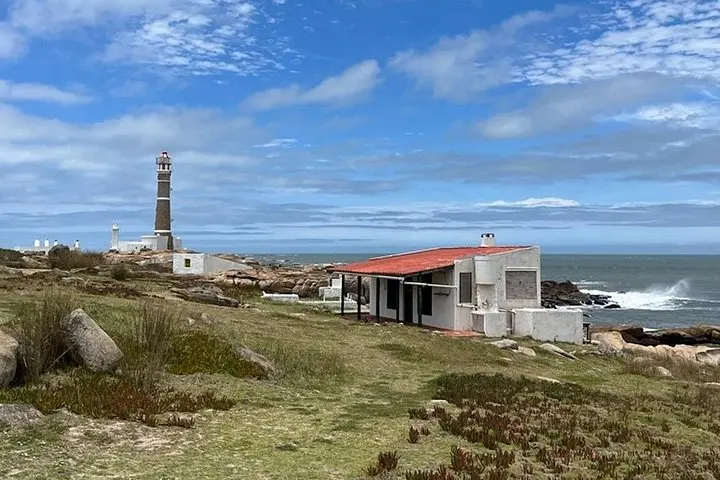
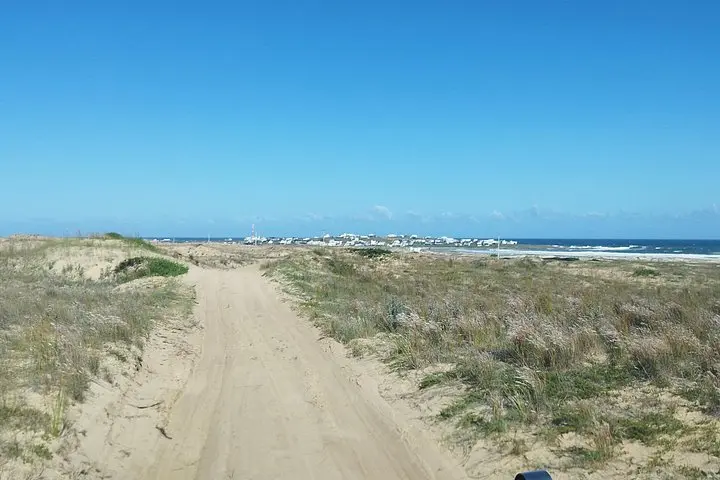
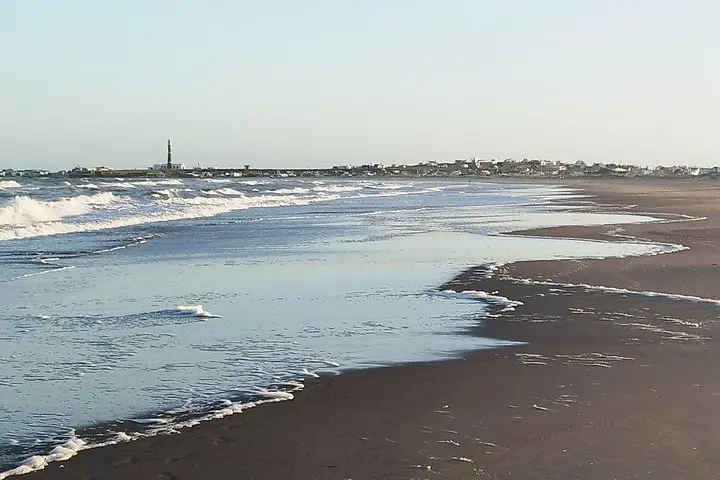
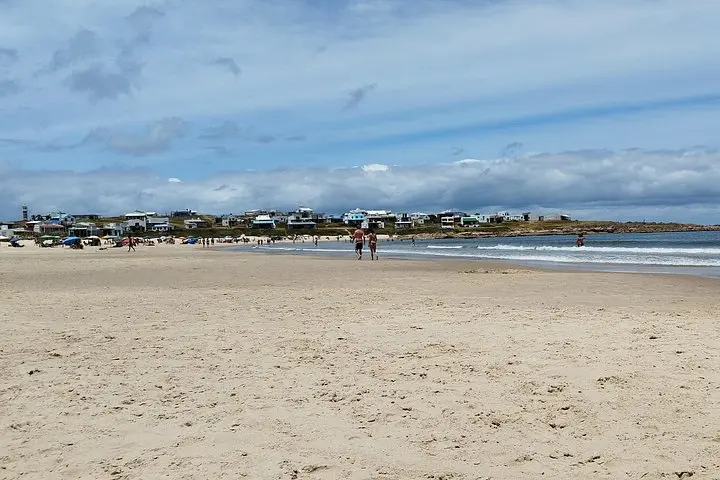
The truck grinds up sand, tires spinning, and the mainland falls away into open beach and wind-sculpted dunes. You arrive without streetlights, where the village clings to a rocky point and the lighthouse, built in 1881, keeps a quiet watch over islands crowded with sea lions. Night or noon, the place feels like the coast itself is greeting you—waves daring you to follow the shore, dunes pushing your pace upward for the view.
The truck grinds up sand, tires spinning, and the mainland falls away into open beach and wind-sculpted dunes. You arrive without streetlights, where the village clings to a rocky point and the lighthouse, built in 1881, keeps a quiet watch over islands crowded with sea lions. Night or noon, the place feels like the coast itself is greeting you—waves daring you to follow the shore, dunes pushing your pace upward for the view.
Cabo Polonio sits on Uruguay's Rocha coast, a landscape forged by Atlantic waves and shifting sand. Shipwrecks dot the charts and local lore; the lighthouse has guided sailors since the late 19th century. Fishing remains artisanal here—small boats, nets, and village stalls selling seafood and crafts are part of daily life.
The tour uses authorized all-terrain vehicles to cross protected dunes into the reserve; once inside, everything is explored on foot. Expect long beach walks, high dunes with sweeping Atlantic vistas, narrow stone passages between boulders, and a chance to see South American sea lions lounging on offshore rocks. Paths are informal and often sandy or uneven, so steady footing and moderate fitness matter.
Practical details: the visit can be a long day if you travel from Montevideo, so bring water, sun protection, and cash for local eateries. Respect wildlife distances—the sea lions are protected—and carry out any trash. If the lighthouse is open, climbing it rewards you with panoramic views of islands and the open sea. This is raw coastline travel: minimal infrastructure, dramatic skies, and the feel of a place still run by tide and wind.