THE ADVENTURE COLLECTIVE® · Independent discovery and booking for outdoor travel

Fly from Hurghada to Cairo for a full day exploring the Giza Pyramids, the Great Sphinx and the Egyptian Museum. This guided, private day trip packs history, desert vistas and museum highlights into one long but manageable day.
Fly from Hurghada to Cairo for a full day exploring the Giza Pyramids, the Great Sphinx and the Egyptian Museum. This guided, private day trip packs history, desert vistas and museum highlights into one long but manageable day.
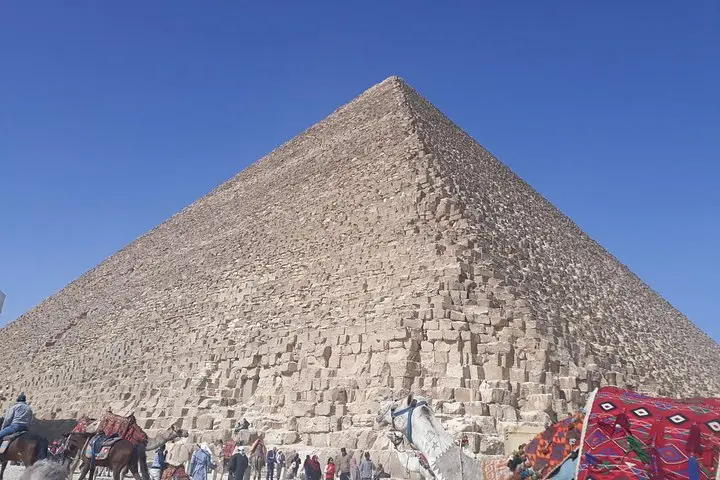
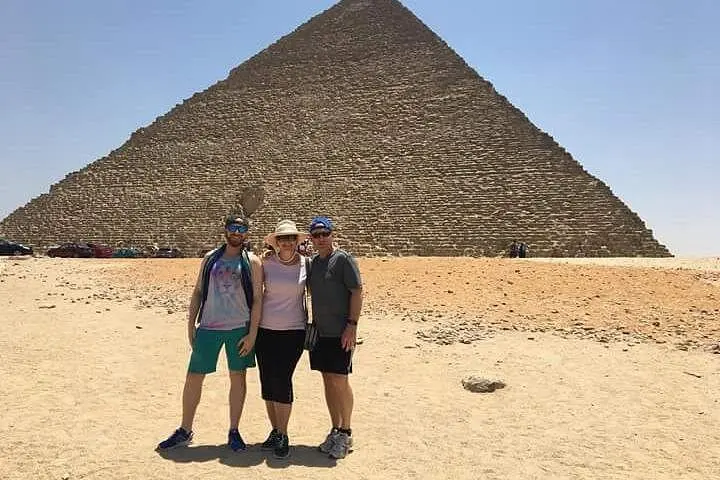
You step off the morning flight and the city of Cairo meets you with a different cadence than Hurghada — a dense mosaic of city noise, sun-baked stone, and the slow, patient bulk of the Pyramids rising from the western desert. From the shuttle, the Giza Plateau looms: three geometric mountains of quarried limestone, their faces weathered but unmistakable.
Verified experiences and guided adventures in the surrounding area.
Operated by Lily Travel Egypt · Cairo, Cairo Governorate
You step off the morning flight and the city of Cairo meets you with a different cadence than Hurghada — a dense mosaic of city noise, sun-baked stone, and the slow, patient bulk of the Pyramids rising from the western desert. From the shuttle, the Giza Plateau looms: three geometric mountains of quarried limestone, their faces weathered but unmistakable.
These monuments date to Egypt’s Old Kingdom (about 4,500 years ago). The Great Pyramid of Khufu (Cheops) still holds engineering secrets; casing stones once polished its sides to a glassy sheen. Geologically, the plateau is a calcarenite cap over softer marl, and the valley temple and Sphinx remind visitors how human craft shaped the raw desert. Nearby Cairo layers Pharaonic, Coptic and Islamic histories into a compact urban sprawl; the Egyptian Museum houses Tutankhamun’s gold and the everyday tools that tell personal stories of ancient lives.
Practical guidance begins with pace: this is a long, logistics-heavy day — expect early pickup from Hurghada, airport transfers, and a full day of walking on uneven stone and sandy paths. Dress for sun and dust, wear flat, supportive shoes, and carry a refillable bottle. Bring local currency for small entrance fees, tips, or souvenirs. Time your photos around midday glare; mornings and late afternoons offer softer light and cooler temperatures.
Plan for brief museum queues and some tightly scheduled check-ins; your guide handles most timings, but mobility limitations or young children change how much ground you’ll cover. Keep your camera ready — the desert seems to dare you to look further — and leave time to absorb the scale once the crowds thin.
Yes — the itinerary includes return flights between Hurghada and Cairo as part of the tour package.
Entrance fees are typically not included; the tour covers transfers, a private guide and lunch, so confirm ticket details when booking.
The tour indicates wheelchair and stroller accessibility for transfers, but expect uneven surfaces at the Pyramids and some museum stairs—check with the operator for accommodations.
This product is listed as all sales final with no refunds available; verify dates carefully before booking.
Lily Travel Egypt operates guided outdoor trips and adventures with an emphasis on safety, stewardship, and memorable experiences.
You step off the morning flight and the city of Cairo meets you with a different cadence than Hurghada — a dense mosaic of city noise, sun-baked stone, and the slow, patient bulk of the Pyramids rising from the western desert. From the shuttle, the Giza Plateau looms: three geometric mountains of quarried limestone, their faces weathered but unmistakable.
You step off the morning flight and the city of Cairo meets you with a different cadence than Hurghada — a dense mosaic of city noise, sun-baked stone, and the slow, patient bulk of the Pyramids rising from the western desert. From the shuttle, the Giza Plateau looms: three geometric mountains of quarried limestone, their faces weathered but unmistakable.
These monuments date to Egypt’s Old Kingdom (about 4,500 years ago). The Great Pyramid of Khufu (Cheops) still holds engineering secrets; casing stones once polished its sides to a glassy sheen. Geologically, the plateau is a calcarenite cap over softer marl, and the valley temple and Sphinx remind visitors how human craft shaped the raw desert. Nearby Cairo layers Pharaonic, Coptic and Islamic histories into a compact urban sprawl; the Egyptian Museum houses Tutankhamun’s gold and the everyday tools that tell personal stories of ancient lives.
Practical guidance begins with pace: this is a long, logistics-heavy day — expect early pickup from Hurghada, airport transfers, and a full day of walking on uneven stone and sandy paths. Dress for sun and dust, wear flat, supportive shoes, and carry a refillable bottle. Bring local currency for small entrance fees, tips, or souvenirs. Time your photos around midday glare; mornings and late afternoons offer softer light and cooler temperatures.
Plan for brief museum queues and some tightly scheduled check-ins; your guide handles most timings, but mobility limitations or young children change how much ground you’ll cover. Keep your camera ready — the desert seems to dare you to look further — and leave time to absorb the scale once the crowds thin.