THE ADVENTURE COLLECTIVE® · Independent discovery and booking for outdoor travel

Explore Carthage’s ruins, the cobalt charm of Sidi Bou Said and the living lanes of the Medina of Tunis on a full-day guided tour. Expect coastal panoramas, archaeological highlights and vibrant souks with stops for cafés and galleries.
Explore Carthage’s ruins, the cobalt charm of Sidi Bou Said and the living lanes of the Medina of Tunis on a full-day guided tour. Expect coastal panoramas, archaeological highlights and vibrant souks with stops for cafés and galleries.
You step off the air-conditioned minivan and the Mediterranean opens like a quiet promise — wind moving across the bay, sunlight tapping white facades. The day starts with Carthage’s terraces and ruined walls, where carved stone and sea-scrub keep a slow conversation with time.
Verified experiences and guided adventures in the surrounding area.
Operated by Ôthentic Travel & Services · Tunis, Tunis Governorate
You step off the air-conditioned minivan and the Mediterranean opens like a quiet promise — wind moving across the bay, sunlight tapping white facades. The day starts with Carthage’s terraces and ruined walls, where carved stone and sea-scrub keep a slow conversation with time.
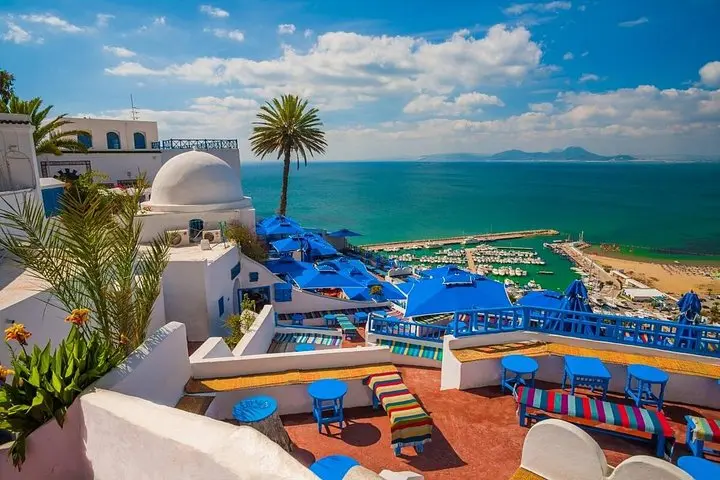
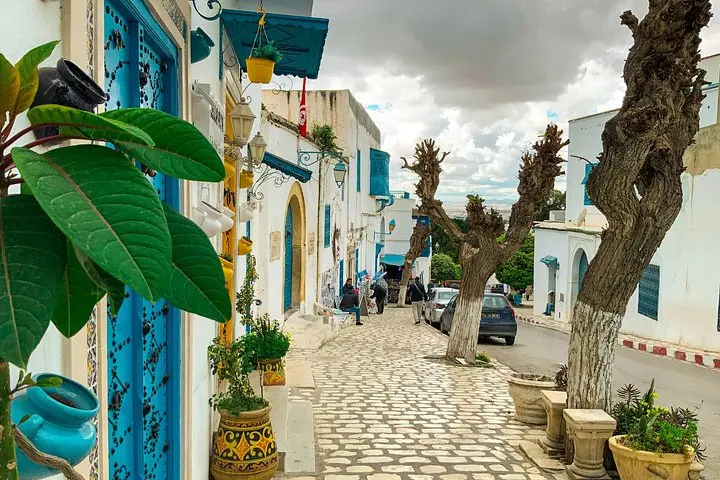
Carthage was a Phoenician and Punic powerhouse, later reshaped by Rome; visitors will see the footprint of its past in the Antonine Baths, traces of multi-story houses and long defensive walls. The coastline’s limestone shelves and coastal plains explain why civilizations settled here: broad views and natural harbors that have guided sailors for millennia. From Carthage, the route climbs toward Sidi Bou Said — blue doors and narrow lanes that frame the sea. The village’s Andalusian architectural details and galleries reflect centuries of Mediterranean exchange, while cafés open onto sweeping views that demand a slow pause.
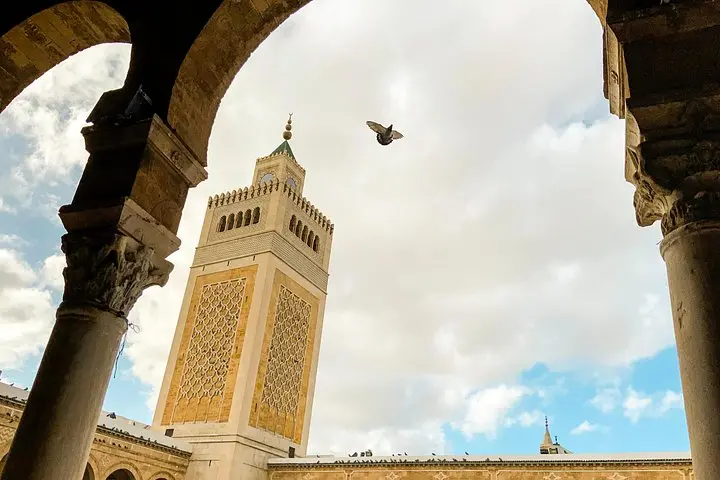
A final stretch brings you to the Medina of Tunis, a UNESCO site, where alleys lead to the Zitouna Mosque and markets scented with cumin and orange blossom. The city’s artisans keep living traditions visible: hat-makers, perfumers and metalworkers practicing techniques passed down through generations.
Practical notes: the tour is mostly walking on cobbles and steps — comfortable shoes and sun protection are essential. Expect guided periods interspersed with free time for cafés and galleries. Plan transport buffer if you’re catching late trains or ferries; hotel pickup is typically included for central hotels in Tunis, Hammamet or Sousse.
The tour runs about 7–8 hours and typically includes guide services, entrance fees to listed historic sites, hotel pickup/return in central locations and transportation in an air-conditioned vehicle.
The itinerary involves walking on uneven surfaces and steps; it’s generally suitable for children but not recommended for people with significant mobility restrictions or serious back issues.
Meals are not usually included; the itinerary allows time for lunch at local cafés or restaurants in Sidi Bou Said or the Medina.
Yes—local crafts, spices and textiles are widely available; carry small bills for bargaining and verify prices before purchase.
Ôthentic Travel & Services operates guided outdoor trips and adventures with an emphasis on safety, stewardship, and memorable experiences.

You step off the air-conditioned minivan and the Mediterranean opens like a quiet promise — wind moving across the bay, sunlight tapping white facades. The day starts with Carthage’s terraces and ruined walls, where carved stone and sea-scrub keep a slow conversation with time.
You step off the air-conditioned minivan and the Mediterranean opens like a quiet promise — wind moving across the bay, sunlight tapping white facades. The day starts with Carthage’s terraces and ruined walls, where carved stone and sea-scrub keep a slow conversation with time.
Carthage was a Phoenician and Punic powerhouse, later reshaped by Rome; visitors will see the footprint of its past in the Antonine Baths, traces of multi-story houses and long defensive walls. The coastline’s limestone shelves and coastal plains explain why civilizations settled here: broad views and natural harbors that have guided sailors for millennia. From Carthage, the route climbs toward Sidi Bou Said — blue doors and narrow lanes that frame the sea. The village’s Andalusian architectural details and galleries reflect centuries of Mediterranean exchange, while cafés open onto sweeping views that demand a slow pause.
A final stretch brings you to the Medina of Tunis, a UNESCO site, where alleys lead to the Zitouna Mosque and markets scented with cumin and orange blossom. The city’s artisans keep living traditions visible: hat-makers, perfumers and metalworkers practicing techniques passed down through generations.
Practical notes: the tour is mostly walking on cobbles and steps — comfortable shoes and sun protection are essential. Expect guided periods interspersed with free time for cafés and galleries. Plan transport buffer if you’re catching late trains or ferries; hotel pickup is typically included for central hotels in Tunis, Hammamet or Sousse.