THE ADVENTURE COLLECTIVE® · Independent discovery and booking for outdoor travel

Leave Marrakech before sunrise for a full day exploring Casablanca’s modern boulevards and Rabat’s royal landmarks. This guided tour mixes Art Deco streets, a seaside skyline, and the Oudaya Kasbah with practical logistics and a included lunch.
Leave Marrakech before sunrise for a full day exploring Casablanca’s modern boulevards and Rabat’s royal landmarks. This guided tour mixes Art Deco streets, a seaside skyline, and the Oudaya Kasbah with practical logistics and a included lunch.
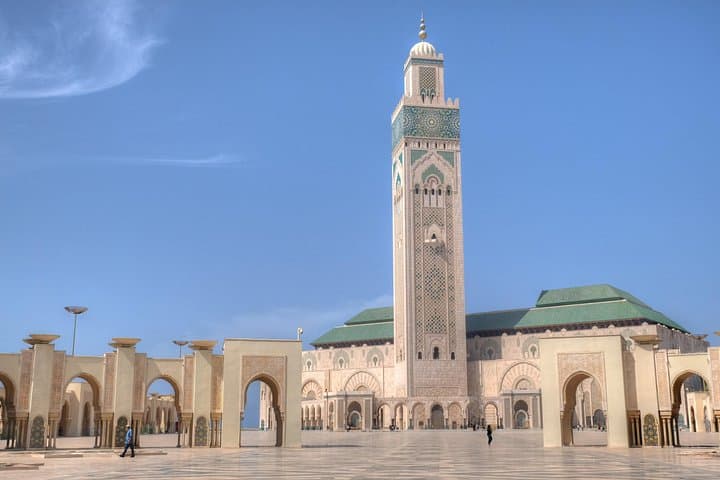
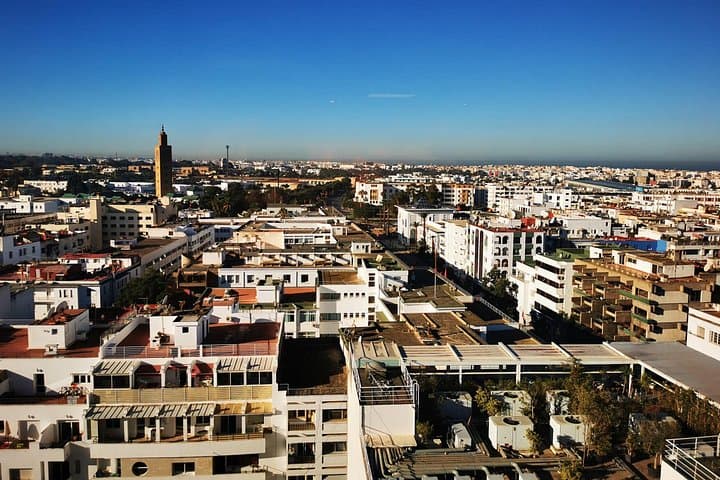
Before dawn the minibus eases out of Marrakech, headlights cutting across olive groves as the Atlas foothills recede and the Atlantic draws nearer — a cool blue line that seems to dare you to keep pace. By midmorning the skyline of Casablanca appears: broad boulevards, echoes of French Art Deco, and the dome and minaret silhouettes that frame the city’s modern rhythm.
Verified experiences and guided adventures in the surrounding area.
Operated by Sunny Morocco · Marrakech, Marrakesh-Safi
Before dawn the minibus eases out of Marrakech, headlights cutting across olive groves as the Atlas foothills recede and the Atlantic draws nearer — a cool blue line that seems to dare you to keep pace. By midmorning the skyline of Casablanca appears: broad boulevards, echoes of French Art Deco, and the dome and minaret silhouettes that frame the city’s modern rhythm.
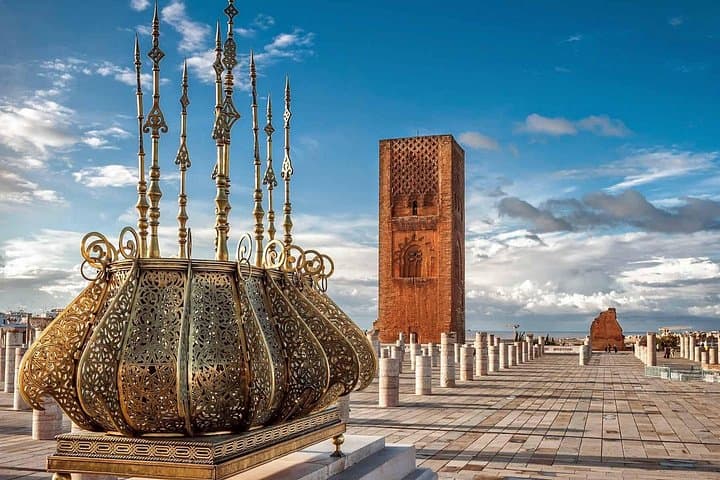
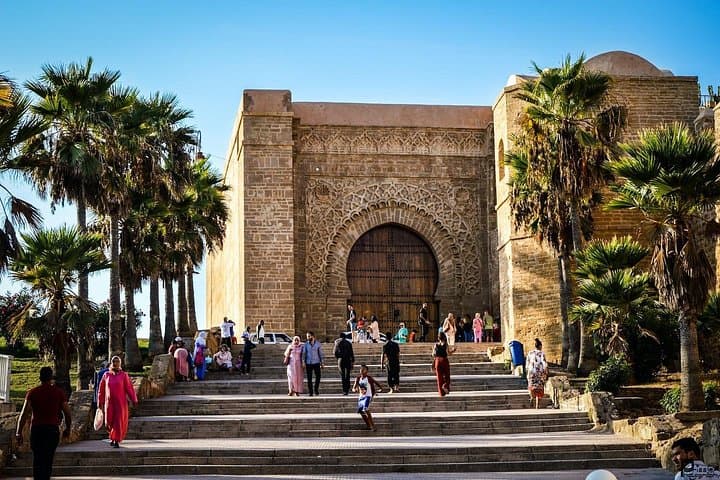
Casablanca grew into Morocco’s commercial engine in the 20th century; its downtown still wears the geometric signatures of colonial architects. Later you cross to Rabat, whose history reads in stone — the Oudaya Kasbah, raised under Moulay Ismail in the late 17th–early 18th centuries, keeps watch over the Bouregreg estuary. Nearby Hassan Tower’s unfinished minaret is home to clattering storks, and the Mausoleum of Mohammed V offers a study in white marble, stained glass, and wrought iron that speaks to Morocco’s layered identity.
Expect a paced day: a coach transfer of roughly three hours each way, short walking tours through medina lanes and ramparts, and a restaurant lunch in Rabat. Plan modest, breathable clothing for mosque exteriors and close-knit markets; comfortable walking shoes for cobbled streets; and a small change of dirhams for snacks or small purchases.
Logistics: departures typically start early and return late afternoon, the tour is wheelchair accessible with mostly gentle walking, and the guide handles local navigation and timing around prayer hours. Bring sun protection, a camera, and a patient sense of pace — these two cities reward curiosity more than speed.
Plan for roughly 9 hours total including about 3–3.5 hours driving each way plus time at Casablanca and Rabat.
Yes — the itinerary specifies a restaurant lunch in Rabat is included in the tour price.
The tour focuses on exteriors and public monuments; interiors at religious sites are often restricted, and modest dress is required if interior visits occur.
The listing notes wheelchair accessibility for transport and limited walking; however some medina streets have uneven paving and steps.
Sunny Morocco operates guided outdoor trips and adventures with an emphasis on safety, stewardship, and memorable experiences.
Before dawn the minibus eases out of Marrakech, headlights cutting across olive groves as the Atlas foothills recede and the Atlantic draws nearer — a cool blue line that seems to dare you to keep pace. By midmorning the skyline of Casablanca appears: broad boulevards, echoes of French Art Deco, and the dome and minaret silhouettes that frame the city’s modern rhythm.
Before dawn the minibus eases out of Marrakech, headlights cutting across olive groves as the Atlas foothills recede and the Atlantic draws nearer — a cool blue line that seems to dare you to keep pace. By midmorning the skyline of Casablanca appears: broad boulevards, echoes of French Art Deco, and the dome and minaret silhouettes that frame the city’s modern rhythm.
Casablanca grew into Morocco’s commercial engine in the 20th century; its downtown still wears the geometric signatures of colonial architects. Later you cross to Rabat, whose history reads in stone — the Oudaya Kasbah, raised under Moulay Ismail in the late 17th–early 18th centuries, keeps watch over the Bouregreg estuary. Nearby Hassan Tower’s unfinished minaret is home to clattering storks, and the Mausoleum of Mohammed V offers a study in white marble, stained glass, and wrought iron that speaks to Morocco’s layered identity.
Expect a paced day: a coach transfer of roughly three hours each way, short walking tours through medina lanes and ramparts, and a restaurant lunch in Rabat. Plan modest, breathable clothing for mosque exteriors and close-knit markets; comfortable walking shoes for cobbled streets; and a small change of dirhams for snacks or small purchases.
Logistics: departures typically start early and return late afternoon, the tour is wheelchair accessible with mostly gentle walking, and the guide handles local navigation and timing around prayer hours. Bring sun protection, a camera, and a patient sense of pace — these two cities reward curiosity more than speed.