THE ADVENTURE COLLECTIVE® · Independent discovery and booking for outdoor travel

Cross the Strait of Gibraltar and climb into the Rif Mountains on a private full-day tour from Cádiz to Chefchaouen. Experience blue alleys, a rooftop hammam, and sweeping mountain views with a local driver handling the logistics.
Cross the Strait of Gibraltar and climb into the Rif Mountains on a private full-day tour from Cádiz to Chefchaouen. Experience blue alleys, a rooftop hammam, and sweeping mountain views with a local driver handling the logistics.
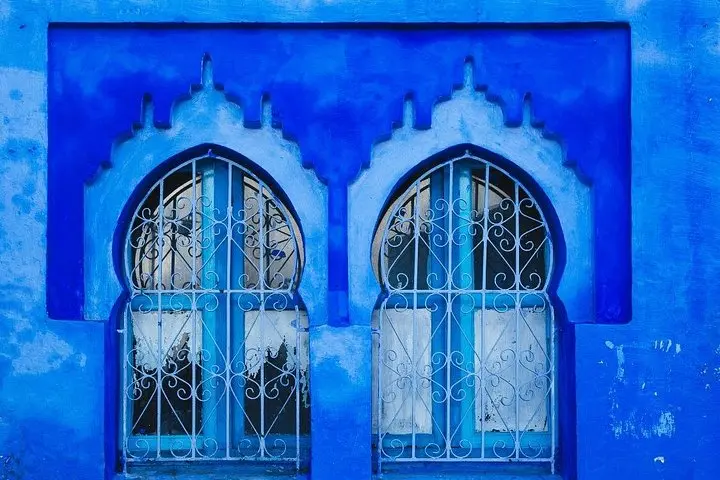
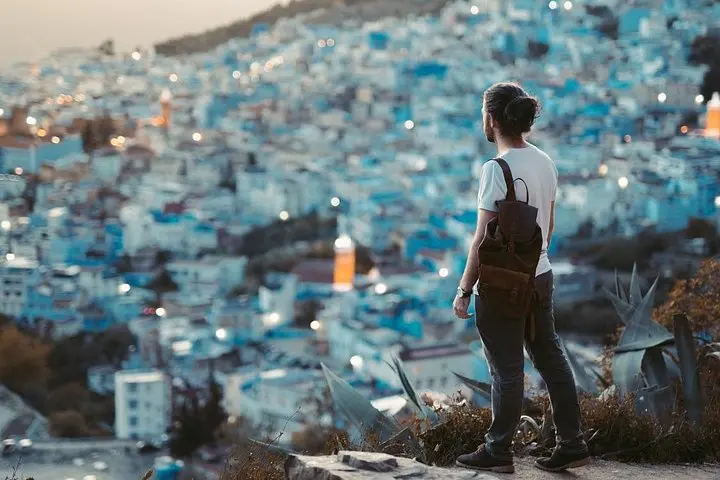
You step out of the van as the air sharpens and the skyline changes: the low, white buildings give way to bluewashed walls climbing a hillside, and the Rif Mountains press in like a slow, watchful tide. The ferry across the Strait of Gibraltar is still in your clothes—a salt tang and the faint rumble of an engine—when the driver turns off the main road and the lanes narrow into the medina. Chefchaouen announces itself without fanfare: alleys that shade you, doors painted every possible blue, and the distant bell of a goat herder on a ridge.
Verified experiences and guided adventures in the surrounding area.
Operated by Tour Travel & More · Chefchaouen, Tanger-Tetouan-Al Hoceima
You step out of the van as the air sharpens and the skyline changes: the low, white buildings give way to bluewashed walls climbing a hillside, and the Rif Mountains press in like a slow, watchful tide. The ferry across the Strait of Gibraltar is still in your clothes—a salt tang and the faint rumble of an engine—when the driver turns off the main road and the lanes narrow into the medina. Chefchaouen announces itself without fanfare: alleys that shade you, doors painted every possible blue, and the distant bell of a goat herder on a ridge.
Chefchaouen sits at about 1,450 metres in the Rif, a limestone spine that rises from Morocco’s northern coast. The town’s blue palette traces back to Jewish refugees in the 15th century and later to practical ideas—reflecting sunlight and repelling mosquitoes—woven into local lore. Geologically, the Rif is younger and steeper than the Atlas; its folded strata create ravines and springs that feed the cascades near Akchour, visible from many lookouts around town.
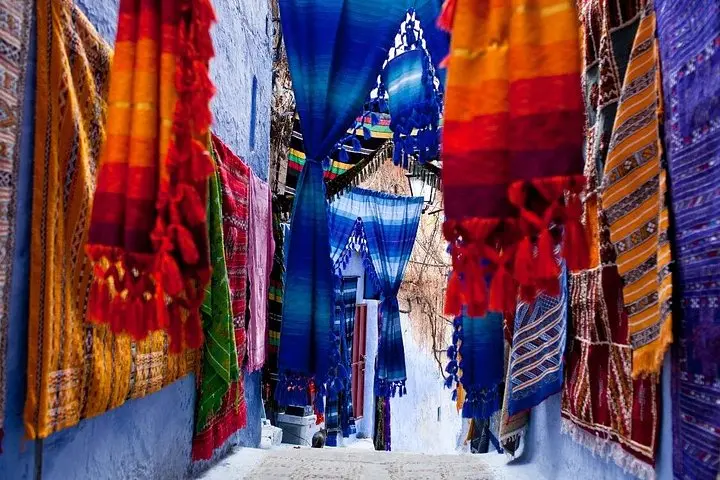
Culture here is intimate: souks that trade woven blankets and locally dyed wool, cafés where mint tea is poured until your glass is nearly overflowing, and hammams that follow centuries-old rhythms. The Berber influence is tangible in patterns, place names, and the relaxed cadence of life; photography and art have found a home here for decades because the light and color are uncompromising.
A private-driver itinerary like this compresses hours of travel—Cadiz to Tarifa, a short ferry across the strait, then the road inland—into a single, full day. Expect a mix of walking on cobbled alleys and short, steeper climbs to viewpoints and cemeteries that look over red-tiled valleys. The tour often includes local touches: a guided stroll through the medina, a traditional lunch, and optional time at a rooftop hammam for a steam and scrub.
Practicalities matter: bring your passport and Moroccan dirhams for small purchases, wear supportive shoes for uneven stones and steps, and pack layers—morning crossings can be chilly while midday in the sun is warm. Hydrate; water is available but carry a refillable bottle. If you’re prone to motion sickness, the Rif’s winding roads reward patience with sweeping panoramas.
Timing is everything: an early departure reduces ferry waits and crowds in the medina; late-afternoon light softens the blue paint into deep indigo. For a first visit, prioritize wandering the Plaza Uta el-Hammam, finding a rooftop café, and letting a local guide show you the quieter alleys where hand-dyed scarves and laneways open into unexpected courtyards.
This is a day of contrasts—marine crossings, mountain air, and a town that wears history on its walls—but done well, it feels less like ticking boxes and more like stepping into a place that has resisted being smoothed by tourism.
Door-to-door it’s a full day—expect roughly 10–12 hours including transfers, the ferry crossing, and about 4–6 hours in Chefchaouen itself.
Visa rules vary by nationality; most EU and North American visitors can enter Morocco visa-free for short stays, but always check current entry requirements before travel.
Yes—inform the operator when booking so they can arrange a suitable lunch; Moroccan restaurants commonly adapt simple requests.
Many alleys are narrow and uneven; some parts are stroller-accessible but the tour is not fully wheelchair-friendly—contact the operator with specific needs.
Yes—public restrooms and ATMs are available near central squares, but smaller shops may accept only cash, so carry small dirham notes.
Tipping is customary but discretionary—around 5–10% for guides or a reasonable amount for drivers if service is excellent.
Tour Travel & More operates guided outdoor trips and adventures with an emphasis on safety, stewardship, and memorable experiences.

You step out of the van as the air sharpens and the skyline changes: the low, white buildings give way to bluewashed walls climbing a hillside, and the Rif Mountains press in like a slow, watchful tide. The ferry across the Strait of Gibraltar is still in your clothes—a salt tang and the faint rumble of an engine—when the driver turns off the main road and the lanes narrow into the medina. Chefchaouen announces itself without fanfare: alleys that shade you, doors painted every possible blue, and the distant bell of a goat herder on a ridge.
You step out of the van as the air sharpens and the skyline changes: the low, white buildings give way to bluewashed walls climbing a hillside, and the Rif Mountains press in like a slow, watchful tide. The ferry across the Strait of Gibraltar is still in your clothes—a salt tang and the faint rumble of an engine—when the driver turns off the main road and the lanes narrow into the medina. Chefchaouen announces itself without fanfare: alleys that shade you, doors painted every possible blue, and the distant bell of a goat herder on a ridge.
Chefchaouen sits at about 1,450 metres in the Rif, a limestone spine that rises from Morocco’s northern coast. The town’s blue palette traces back to Jewish refugees in the 15th century and later to practical ideas—reflecting sunlight and repelling mosquitoes—woven into local lore. Geologically, the Rif is younger and steeper than the Atlas; its folded strata create ravines and springs that feed the cascades near Akchour, visible from many lookouts around town.
Culture here is intimate: souks that trade woven blankets and locally dyed wool, cafés where mint tea is poured until your glass is nearly overflowing, and hammams that follow centuries-old rhythms. The Berber influence is tangible in patterns, place names, and the relaxed cadence of life; photography and art have found a home here for decades because the light and color are uncompromising.
A private-driver itinerary like this compresses hours of travel—Cadiz to Tarifa, a short ferry across the strait, then the road inland—into a single, full day. Expect a mix of walking on cobbled alleys and short, steeper climbs to viewpoints and cemeteries that look over red-tiled valleys. The tour often includes local touches: a guided stroll through the medina, a traditional lunch, and optional time at a rooftop hammam for a steam and scrub.
Practicalities matter: bring your passport and Moroccan dirhams for small purchases, wear supportive shoes for uneven stones and steps, and pack layers—morning crossings can be chilly while midday in the sun is warm. Hydrate; water is available but carry a refillable bottle. If you’re prone to motion sickness, the Rif’s winding roads reward patience with sweeping panoramas.
Timing is everything: an early departure reduces ferry waits and crowds in the medina; late-afternoon light softens the blue paint into deep indigo. For a first visit, prioritize wandering the Plaza Uta el-Hammam, finding a rooftop café, and letting a local guide show you the quieter alleys where hand-dyed scarves and laneways open into unexpected courtyards.
This is a day of contrasts—marine crossings, mountain air, and a town that wears history on its walls—but done well, it feels less like ticking boxes and more like stepping into a place that has resisted being smoothed by tourism.