THE ADVENTURE COLLECTIVE® · Independent discovery and booking for outdoor travel

A full-day drive from Fes brings you to Chefchaouen’s evocative blue lanes, rooftop view points, and artisan markets. This practical guide explains what to expect—timing, terrain, and smart tips for exploring the Blue City on a day trip.
A full-day drive from Fes brings you to Chefchaouen’s evocative blue lanes, rooftop view points, and artisan markets. This practical guide explains what to expect—timing, terrain, and smart tips for exploring the Blue City on a day trip.
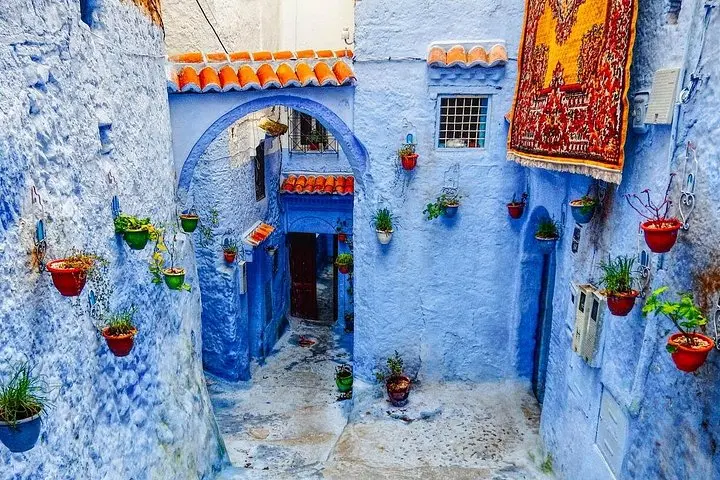
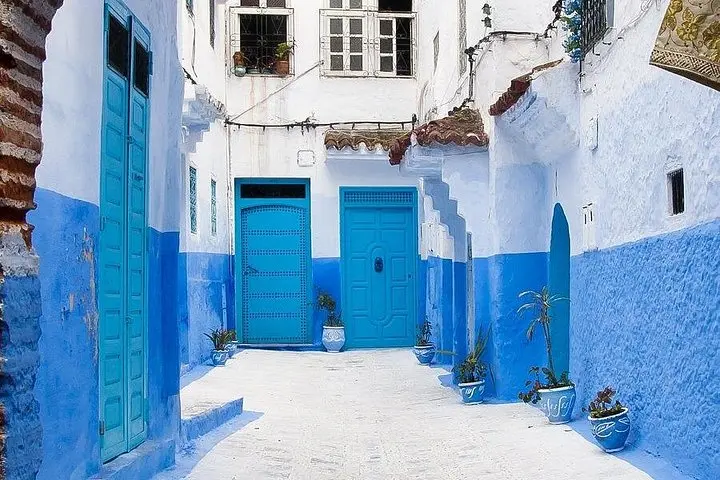
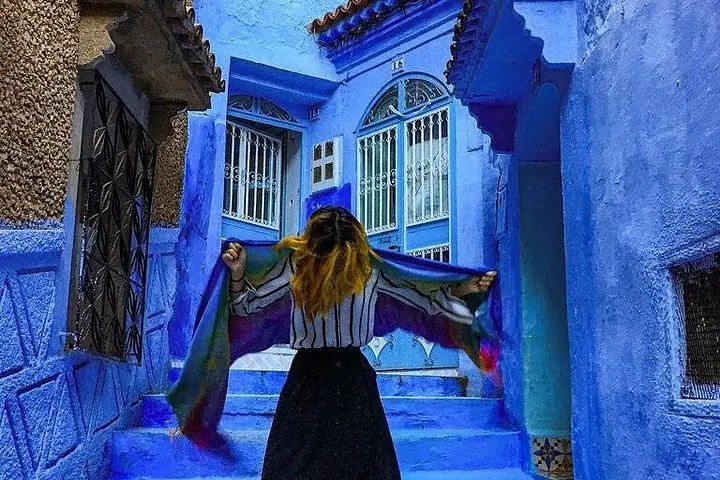
The road eases you out of Fes and into the Rif Mountains: olive groves slide past, stone ridgelines rise, and then a smear of cobalt appears between alleys and cedar slopes—Chefchaouen’s painted facades drawing you in.
Verified experiences and guided adventures in the surrounding area.
Operated by TARBOOSH TRAVEL · Chefchaouen, Tanger-Tetouan-Al Hoceima
The road eases you out of Fes and into the Rif Mountains: olive groves slide past, stone ridgelines rise, and then a smear of cobalt appears between alleys and cedar slopes—Chefchaouen’s painted facades drawing you in.
Chefchaouen began in the 15th century as a mountain kasbah and refuge for Andalusian exiles. The town sits on folded Rif geology—limestone slopes cut by small streams—creating steep streets that open to terraces and viewpoints. Its blue paint, debated by historians, is linked to Jewish traditions, mosquito deterrence, and simply local preference; regardless of origin, the color shapes daily life, commerce, and photography.
Culture here feels intimate: markets sell woven blankets, brass lamps, and locally made goat’s-milk soap; teahouses pour mint tea and conversations drift from Arabic to Tamazight. The Spanish Mosque above the town offers a short uphill walk (20–30 minutes) for wide panoramas across the valley and the town’s blue grid.
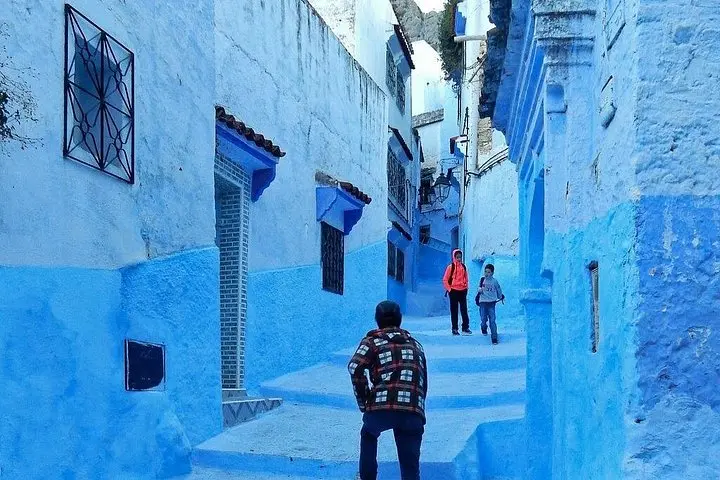
Practical guidance: the trip is mostly transport plus 3–4 hours of self-guided exploration, so plan for steep cobbled lanes and frequent stairs. Wear broken-in walking shoes, carry water and small bills for purchases, and set a clear meeting time for return transport—the driver often departs promptly. Peak daylight is best for photos and visibility; late afternoon light softens the blue tones but closes smaller shops.
This day trip is straightforward: minimal technical challenge, maximum visual reward. Respect local dress in religious sites, support artisans directly, and leave no trace on the fragile painted walls—Chefchaouen’s color stays alive when visitors tread lightly.
Expect about 3–3.5 hours each way depending on traffic and stops; the itinerary typically includes roughly 4 hours in the town.
No—meals and purchases in Chefchaouen are usually pay-as-you-go; plan for local cafés and small restaurants in the medina.
Yes—the trail is a short but steep 20–30 minute walk from the medina; good footwear and water are recommended.
No—the medina’s steep, narrow cobbled streets and stairs make access difficult for wheelchairs and limited-mobility travelers.
TARBOOSH TRAVEL operates guided outdoor trips and adventures with an emphasis on safety, stewardship, and memorable experiences.
The road eases you out of Fes and into the Rif Mountains: olive groves slide past, stone ridgelines rise, and then a smear of cobalt appears between alleys and cedar slopes—Chefchaouen’s painted facades drawing you in.
The road eases you out of Fes and into the Rif Mountains: olive groves slide past, stone ridgelines rise, and then a smear of cobalt appears between alleys and cedar slopes—Chefchaouen’s painted facades drawing you in.
Chefchaouen began in the 15th century as a mountain kasbah and refuge for Andalusian exiles. The town sits on folded Rif geology—limestone slopes cut by small streams—creating steep streets that open to terraces and viewpoints. Its blue paint, debated by historians, is linked to Jewish traditions, mosquito deterrence, and simply local preference; regardless of origin, the color shapes daily life, commerce, and photography.
Culture here feels intimate: markets sell woven blankets, brass lamps, and locally made goat’s-milk soap; teahouses pour mint tea and conversations drift from Arabic to Tamazight. The Spanish Mosque above the town offers a short uphill walk (20–30 minutes) for wide panoramas across the valley and the town’s blue grid.
Practical guidance: the trip is mostly transport plus 3–4 hours of self-guided exploration, so plan for steep cobbled lanes and frequent stairs. Wear broken-in walking shoes, carry water and small bills for purchases, and set a clear meeting time for return transport—the driver often departs promptly. Peak daylight is best for photos and visibility; late afternoon light softens the blue tones but closes smaller shops.
This day trip is straightforward: minimal technical challenge, maximum visual reward. Respect local dress in religious sites, support artisans directly, and leave no trace on the fragile painted walls—Chefchaouen’s color stays alive when visitors tread lightly.