THE ADVENTURE COLLECTIVE® · Independent discovery and booking for outdoor travel

A day-long shared tour from Fes delivers five hours to explore Chefchaouen’s blue medina, Kasbah, and Ras El-Maa spring. Practical tips on timing, footwear, and what to prioritize make this an easy, picture-rich outing.
A day-long shared tour from Fes delivers five hours to explore Chefchaouen’s blue medina, Kasbah, and Ras El-Maa spring. Practical tips on timing, footwear, and what to prioritize make this an easy, picture-rich outing.
Morning light hits the Rif foothills as the road north peels away from Fes; the air sharpens and the hills seem to dare you to look harder. By midmorning the roofs of Chefchaouen appear in bright, familiar blues — alleyways folded into shadow and sunlight, the medina’s stone lanes guiding you toward Uta el-Hammam and the Kasbah.
Verified experiences and guided adventures in the surrounding area.
Operated by Great Morocco Tours · Chefchaouen, Chefchaouen Province
Morning light hits the Rif foothills as the road north peels away from Fes; the air sharpens and the hills seem to dare you to look harder. By midmorning the roofs of Chefchaouen appear in bright, familiar blues — alleyways folded into shadow and sunlight, the medina’s stone lanes guiding you toward Uta el-Hammam and the Kasbah.
Chefchaouen’s history is plain in its streets: founded in the 15th century by Andalusian refugees, the town’s blue-washed walls echo both Moorish craft and Spanish-era influences in architecture and food. Geologically, the town sits on the Rif’s limestone slopes, where springs like Ras El-Maa thread through terraces and feed gardens below the medina.
Culturally, this is a conservative but welcoming place; vendors sell locally woven textiles, goat cheeses, and thyme honey. The Spanish Mosque above town gives a wide-angle photo of the blue roofs and surrounding ridgelines, and nearby Kasbah gardens provide a quiet counterpoint to the medina rush.
Practical guidance: the shared tour runs 8–9 hours with about five free hours in Chefchaouen, so plan priorities — medina navigation, Kasbah museum, Ras El-Maa walk, and lunch with a view. Wear comfortable walking shoes for uneven stone and stairs, bring a refillable water bottle, and carry modest clothing for respectful entry to public spaces. Cash is useful for small purchases; ATMs exist but can run low.
Timing matters: visit in morning or late afternoon light for the best photos and cooler walking. Respect local privacy when photographing residents and leave no trace on trails and springs.
The drive is about 3 to 3.5 hours each way depending on traffic and stops; the full tour runs roughly 8–9 hours.
Lunch is not included; you’ll have free time to choose from restaurants around Uta el-Hammam or the Kasbah with views over the medina.
Most operators pick up and drop off at your riad or hotel in Fes—check with the tour provider about luggage policies before booking.
Yes; the tour is rated as suitable for all fitness levels but involves walking on uneven streets and stairs, so plan accordingly.
Great Morocco Tours operates guided outdoor trips and adventures with an emphasis on safety, stewardship, and memorable experiences.
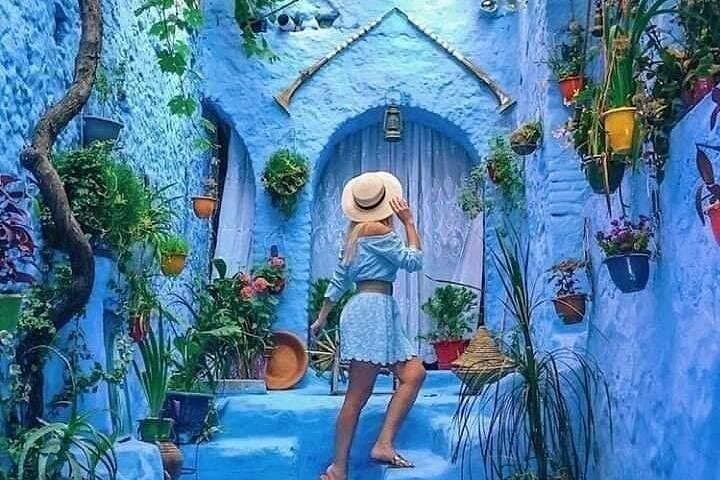
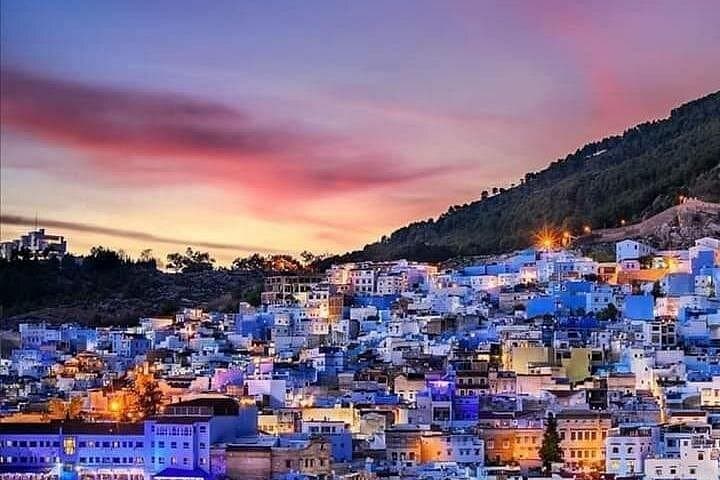
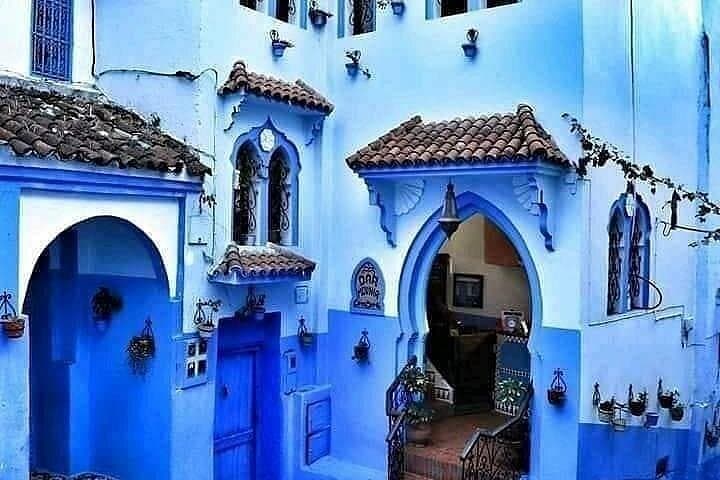
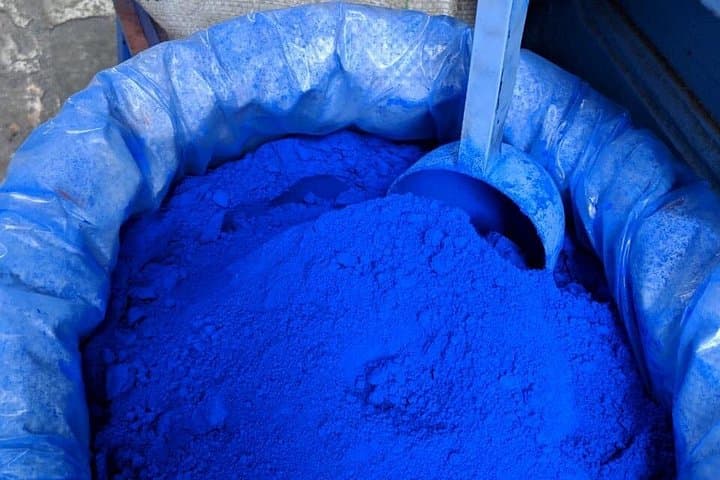
Morning light hits the Rif foothills as the road north peels away from Fes; the air sharpens and the hills seem to dare you to look harder. By midmorning the roofs of Chefchaouen appear in bright, familiar blues — alleyways folded into shadow and sunlight, the medina’s stone lanes guiding you toward Uta el-Hammam and the Kasbah.
Morning light hits the Rif foothills as the road north peels away from Fes; the air sharpens and the hills seem to dare you to look harder. By midmorning the roofs of Chefchaouen appear in bright, familiar blues — alleyways folded into shadow and sunlight, the medina’s stone lanes guiding you toward Uta el-Hammam and the Kasbah.
Chefchaouen’s history is plain in its streets: founded in the 15th century by Andalusian refugees, the town’s blue-washed walls echo both Moorish craft and Spanish-era influences in architecture and food. Geologically, the town sits on the Rif’s limestone slopes, where springs like Ras El-Maa thread through terraces and feed gardens below the medina.
Culturally, this is a conservative but welcoming place; vendors sell locally woven textiles, goat cheeses, and thyme honey. The Spanish Mosque above town gives a wide-angle photo of the blue roofs and surrounding ridgelines, and nearby Kasbah gardens provide a quiet counterpoint to the medina rush.
Practical guidance: the shared tour runs 8–9 hours with about five free hours in Chefchaouen, so plan priorities — medina navigation, Kasbah museum, Ras El-Maa walk, and lunch with a view. Wear comfortable walking shoes for uneven stone and stairs, bring a refillable water bottle, and carry modest clothing for respectful entry to public spaces. Cash is useful for small purchases; ATMs exist but can run low.
Timing matters: visit in morning or late afternoon light for the best photos and cooler walking. Respect local privacy when photographing residents and leave no trace on trails and springs.