THE ADVENTURE COLLECTIVE® · Independent discovery and booking for outdoor travel

Visit Chichén Itzá with guided access, swim in two cenotes (Ikkil and Hubiku), and stroll colonial Valladolid on a single full-day trip from Cancún. Long travel days and archaeological walking make this a practical way to combine Maya history, clear freshwater, and local food.
Visit Chichén Itzá with guided access, swim in two cenotes (Ikkil and Hubiku), and stroll colonial Valladolid on a single full-day trip from Cancún. Long travel days and archaeological walking make this a practical way to combine Maya history, clear freshwater, and local food.
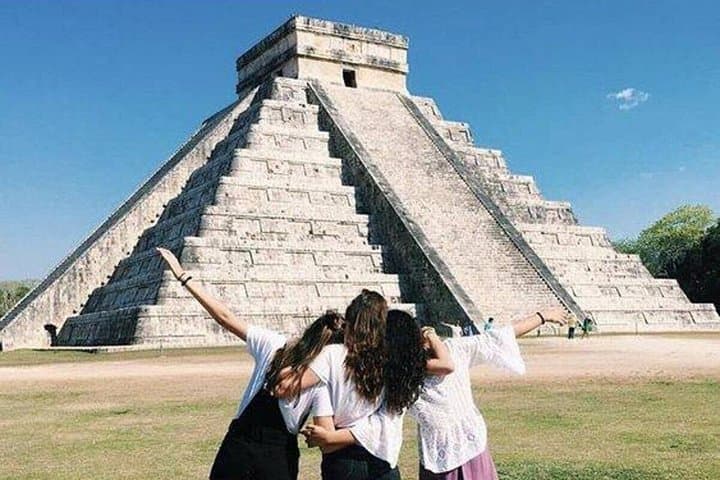
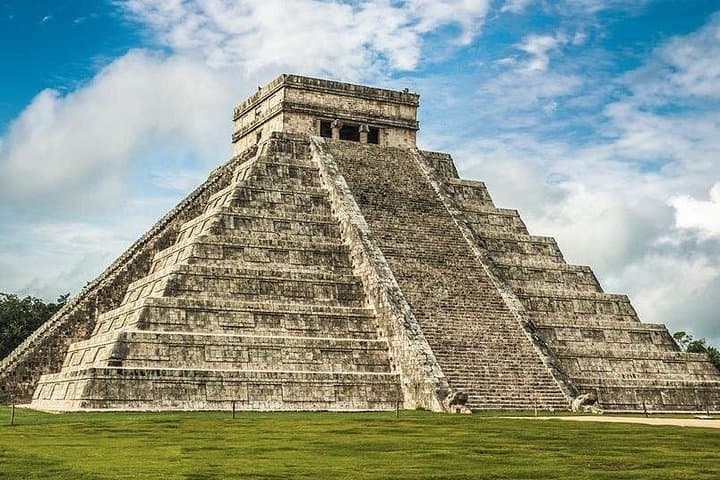
The bus eases out of Cancún before dawn and the Yucatán plain unfurls: low scrub, distant palms and the promise of stone. By the time the pyramid of El Castillo fills the windshield, the air tastes of dust and history; sunlight slants across the stepped faces and the shadow-play that marks an ancient astronomical calendar begins to move.
Verified experiences and guided adventures in the surrounding area.
Operated by Promo vacations Tours · Valladolid, Yucatán
The bus eases out of Cancún before dawn and the Yucatán plain unfurls: low scrub, distant palms and the promise of stone. By the time the pyramid of El Castillo fills the windshield, the air tastes of dust and history; sunlight slants across the stepped faces and the shadow-play that marks an ancient astronomical calendar begins to move.
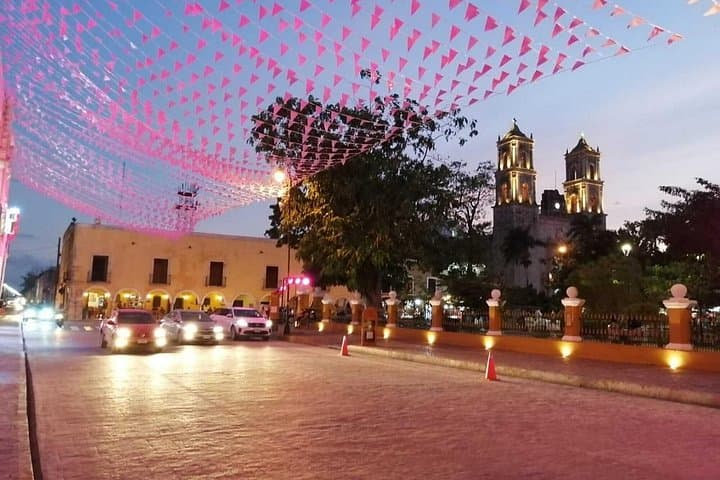
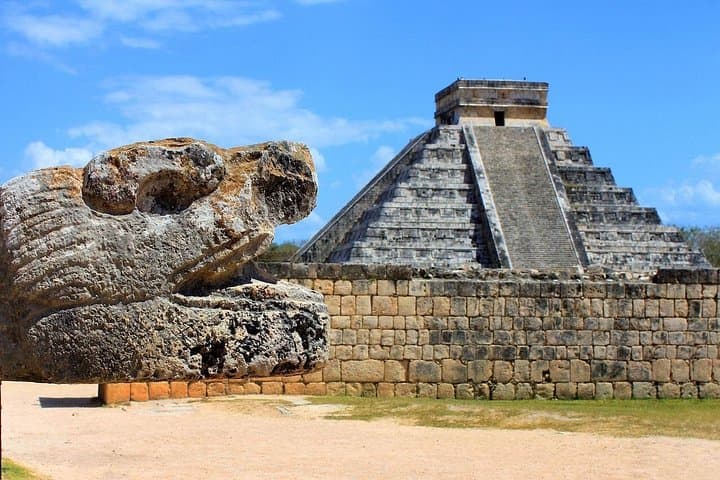
Chichén Itzá was a major Maya city between roughly 600–1200 CE; the site’s limestone bedrock and exposed cenotes gave life to settlements and formed sinkholes where groundwater gathered. The tour pairs temple architecture — Kukulcán’s pyramid, the Temple of Warriors, the ballcourt — with two nearby cenotes: Ikkil’s open shaft and Hubiku’s cavern pool. Valladolid follows, a colonial town with a Spanish-era church and a street-food scene that traces Mayan and mestizo flavors.
Expect flat walking on packed earth and some stairs at the pyramid; the cenotes require short steps and water entry. Bring biodegradable sunscreen and a swimsuit, and plan for an 11–12 hour day with bus transfers between stops. Photography is excellent at mid-morning and late afternoon light, while midday is busiest and hottest.
Practical notes: book transfers from your hotel in Cancún, carry cash for crafts and snacks in Valladolid, and respect restricted zones at the archaeological site. The day mixes archaeological interpretation, a cool freshwater dip, and a short town stroll — a full, practical immersion in the region’s geology, culture and living traditions.
The full-day tour runs about 11–12 hours door-to-door, including round-trip transfers and time at each stop.
Yes — admission to Chichén Itzá and the cenotes Ikkil and Hubiku are included, plus a traditional Mexican buffet lunch.
Yes; both Ikkil and Hubiku permit swimming. Bring a swimsuit, towel and use biodegradable sunscreen to protect the water.
Children can do the tour, but long bus rides and stairs at the ruins may be challenging for those with limited mobility; check specific accessibility needs with the operator.
Promo vacations Tours operates guided outdoor trips and adventures with an emphasis on safety, stewardship, and memorable experiences.
The bus eases out of Cancún before dawn and the Yucatán plain unfurls: low scrub, distant palms and the promise of stone. By the time the pyramid of El Castillo fills the windshield, the air tastes of dust and history; sunlight slants across the stepped faces and the shadow-play that marks an ancient astronomical calendar begins to move.
The bus eases out of Cancún before dawn and the Yucatán plain unfurls: low scrub, distant palms and the promise of stone. By the time the pyramid of El Castillo fills the windshield, the air tastes of dust and history; sunlight slants across the stepped faces and the shadow-play that marks an ancient astronomical calendar begins to move.
Chichén Itzá was a major Maya city between roughly 600–1200 CE; the site’s limestone bedrock and exposed cenotes gave life to settlements and formed sinkholes where groundwater gathered. The tour pairs temple architecture — Kukulcán’s pyramid, the Temple of Warriors, the ballcourt — with two nearby cenotes: Ikkil’s open shaft and Hubiku’s cavern pool. Valladolid follows, a colonial town with a Spanish-era church and a street-food scene that traces Mayan and mestizo flavors.
Expect flat walking on packed earth and some stairs at the pyramid; the cenotes require short steps and water entry. Bring biodegradable sunscreen and a swimsuit, and plan for an 11–12 hour day with bus transfers between stops. Photography is excellent at mid-morning and late afternoon light, while midday is busiest and hottest.
Practical notes: book transfers from your hotel in Cancún, carry cash for crafts and snacks in Valladolid, and respect restricted zones at the archaeological site. The day mixes archaeological interpretation, a cool freshwater dip, and a short town stroll — a full, practical immersion in the region’s geology, culture and living traditions.