THE ADVENTURE COLLECTIVE® · Independent discovery and booking for outdoor travel

Visit the Kukulkan Pyramid at Chichén Itzá with a certified guide, cool off in a limestone cenote, and explore the colonial streets of Valladolid. This private day tour balances archaeological insight with a refreshing swim and cultural stops.
Visit the Kukulkan Pyramid at Chichén Itzá with a certified guide, cool off in a limestone cenote, and explore the colonial streets of Valladolid. This private day tour balances archaeological insight with a refreshing swim and cultural stops.
You step from the van into a wide plaza tilted toward the sun; stone staircases cut clean shadows across the platforms of El Castillo as cicadas and tourist chatter mix in the heat. The Kukulkan Pyramid looms, its geometry readable like a calendar — twenty steps per terrace, staircases aligned to the equinox shadow trick that still draws a crowd. This tour threads archaeological wonder with living Yucatecan culture: a certified guide interprets Mayan astronomy and construction techniques, then leads you to the cool dark of a cenote where limestone gives way to crystalline water.
Verified experiences and guided adventures in the surrounding area.
Operated by Tantum Travel · Chichén Itzá, Yucatán
You step from the van into a wide plaza tilted toward the sun; stone staircases cut clean shadows across the platforms of El Castillo as cicadas and tourist chatter mix in the heat. The Kukulkan Pyramid looms, its geometry readable like a calendar — twenty steps per terrace, staircases aligned to the equinox shadow trick that still draws a crowd. This tour threads archaeological wonder with living Yucatecan culture: a certified guide interprets Mayan astronomy and construction techniques, then leads you to the cool dark of a cenote where limestone gives way to crystalline water.
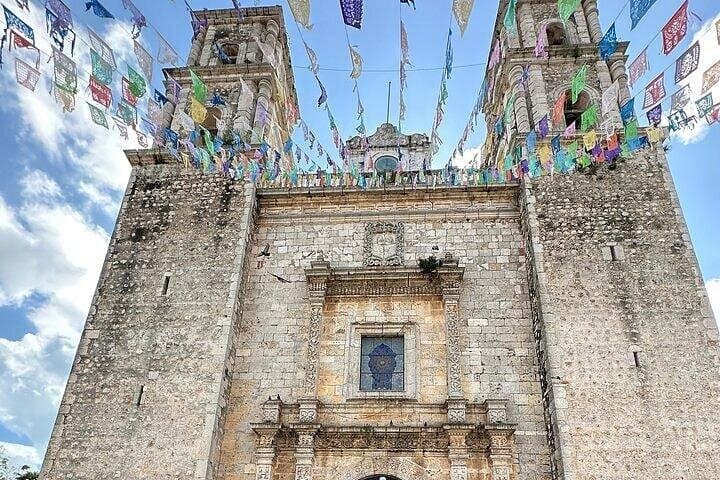
Chichén Itzá rose as a major Maya city between the 7th and 10th centuries, its plazas and ball courts reflecting political and scientific sophistication. The region’s karst geology produces cenotes — collapsed limestone revealing the freshwater table below — central to Mayan ritual and today perfect for a refreshing swim. Valladolid, founded in 1543 and designated a Pueblo Mágico, offers viceregal facades, the convent of San Bernardino, and quieter streets to contrast the morning’s monumentality.
Practical guidance: expect a long day (about 7–8 hours); bring sun protection, a refillable water bottle, and comfortable walking shoes. Swim in the cenote is usually allowed; follow staff rules and use biodegradable sunscreen. Photography is fine in public areas but drone use is restricted. If you’re sensitive to heat, plan for early pickup and hydrate before arrival — the site’s open exposure means shade is limited. The route is ideal for travelers who want history, a quick immersion in local life, and a cool cenote finish to reset before returning to the Riviera Maya.
Yes — the tour’s entrance fees are listed as included in the itinerary.
Travel time from Playa del Carmen or the central Riviera Maya is roughly 2–2.5 hours one way depending on traffic.
Most cenotes have shallow areas and staff supervision; non-swimmers should use a life jacket and stay within designated sections.
Infant seats are available and the tour is listed as suitable for all fitness levels, but terrain at archaeological sites can be uneven.
Tantum Travel operates guided outdoor trips and adventures with an emphasis on safety, stewardship, and memorable experiences.
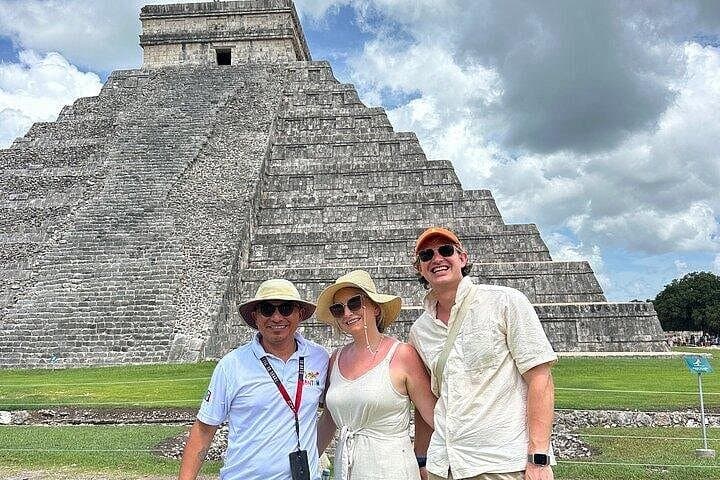
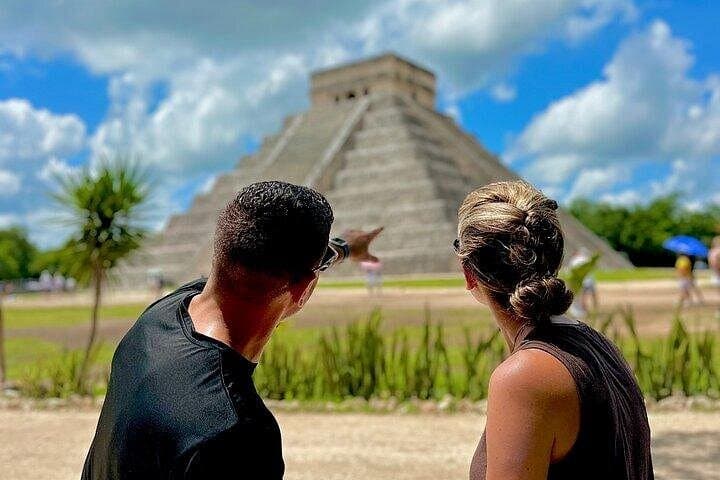
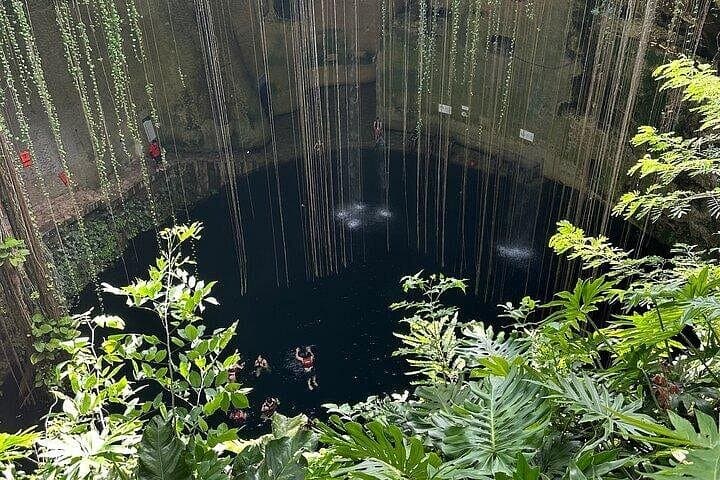
You step from the van into a wide plaza tilted toward the sun; stone staircases cut clean shadows across the platforms of El Castillo as cicadas and tourist chatter mix in the heat. The Kukulkan Pyramid looms, its geometry readable like a calendar — twenty steps per terrace, staircases aligned to the equinox shadow trick that still draws a crowd. This tour threads archaeological wonder with living Yucatecan culture: a certified guide interprets Mayan astronomy and construction techniques, then leads you to the cool dark of a cenote where limestone gives way to crystalline water.
You step from the van into a wide plaza tilted toward the sun; stone staircases cut clean shadows across the platforms of El Castillo as cicadas and tourist chatter mix in the heat. The Kukulkan Pyramid looms, its geometry readable like a calendar — twenty steps per terrace, staircases aligned to the equinox shadow trick that still draws a crowd. This tour threads archaeological wonder with living Yucatecan culture: a certified guide interprets Mayan astronomy and construction techniques, then leads you to the cool dark of a cenote where limestone gives way to crystalline water.
Chichén Itzá rose as a major Maya city between the 7th and 10th centuries, its plazas and ball courts reflecting political and scientific sophistication. The region’s karst geology produces cenotes — collapsed limestone revealing the freshwater table below — central to Mayan ritual and today perfect for a refreshing swim. Valladolid, founded in 1543 and designated a Pueblo Mágico, offers viceregal facades, the convent of San Bernardino, and quieter streets to contrast the morning’s monumentality.
Practical guidance: expect a long day (about 7–8 hours); bring sun protection, a refillable water bottle, and comfortable walking shoes. Swim in the cenote is usually allowed; follow staff rules and use biodegradable sunscreen. Photography is fine in public areas but drone use is restricted. If you’re sensitive to heat, plan for early pickup and hydrate before arrival — the site’s open exposure means shade is limited. The route is ideal for travelers who want history, a quick immersion in local life, and a cool cenote finish to reset before returning to the Riviera Maya.