THE ADVENTURE COLLECTIVE® · Independent discovery and booking for outdoor travel

Drive north from Addis to a dramatic Blue Nile tributary, ancient monastery and the Portuguese-style bridge where Gelada baboons graze. This full-day tour pairs natural history, monastic culture, and a traditional tej tasting.
Drive north from Addis to a dramatic Blue Nile tributary, ancient monastery and the Portuguese-style bridge where Gelada baboons graze. This full-day tour pairs natural history, monastic culture, and a traditional tej tasting.
A low, windy ridge opens as the van climbs out of Addis Ababa and the capital slips beneath a haze of eucalyptus scent. By mid-morning the road narrows and the Jema River gorge drops away in a raw cleft; vultures circle the thermals and Gelada baboons sit like crowned figures on rocky ledges, watching visitors come and go.
Verified experiences and guided adventures in the surrounding area.
Operated by Addis Ethiopia Tours · Debre Libanos, Addis Ababa
A low, windy ridge opens as the van climbs out of Addis Ababa and the capital slips beneath a haze of eucalyptus scent. By mid-morning the road narrows and the Jema River gorge drops away in a raw cleft; vultures circle the thermals and Gelada baboons sit like crowned figures on rocky ledges, watching visitors come and go.
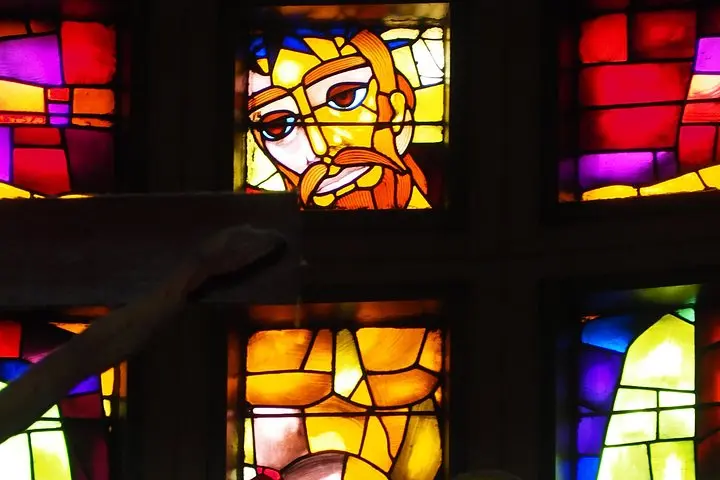
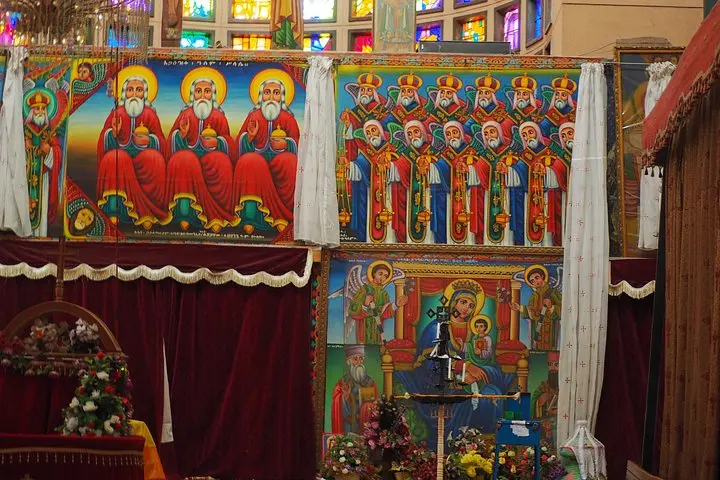
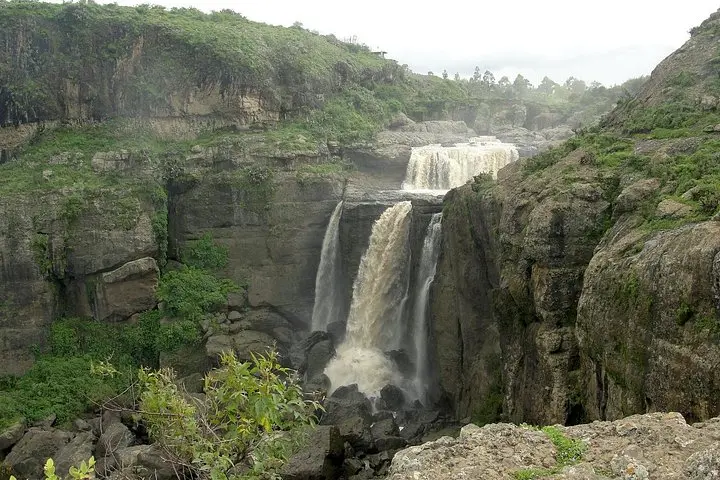
Debre Libanos is a working monastic complex founded by St. Teklehaimanot in the 13th century and remains central to Ethiopian Orthodox practice. Geologically the visit centers on the Jema (Jemma) gorge — a deep tributary valley carved toward the Blue Nile with near-vertical walls and a significant elevation drop that gives the Portuguese Bridge its dramatic setting. The stone span dates visually to a sixteenth-century style; local accounts credit Ethiopian masons for its construction. Cultural stops include a simple monastery visit, a riverside viewpoint, and a traditional tasting of tej (honey wine) in Sulultal.
Expect short walks on uneven paths, pronounced exposure at lookouts, and strong seasonal variation in waterfalls and bird activity. Practical notes: mornings are cool, bring sun protection and water, and wear sturdy shoes for loose rock near overlooks. Photography is popular—be mindful of areas with restrictions, especially official compounds. The full loop returns to Addis in 8–10 hours, offering a compact mix of history, geology, wildlife viewing, and a taste of rural Ethiopian hospitality.
The trip runs about 8–10 hours total, typically leaving in the morning and returning to Addis in the late afternoon or early evening.
Geladas and scavenging vultures are commonly seen along the Jema gorge, but sightings depend on season and time of day—early and late in the day are best.
Yes—paths around the monastery are generally easy, though some areas have steps; wear modest clothing and be prepared for short walks.
Yes—the traditional honey wine (tej) tasting at Sulultal is optional; bring cash and note that strength and sweetness vary by producer.
Addis Ethiopia Tours operates guided outdoor trips and adventures with an emphasis on safety, stewardship, and memorable experiences.

A low, windy ridge opens as the van climbs out of Addis Ababa and the capital slips beneath a haze of eucalyptus scent. By mid-morning the road narrows and the Jema River gorge drops away in a raw cleft; vultures circle the thermals and Gelada baboons sit like crowned figures on rocky ledges, watching visitors come and go.
A low, windy ridge opens as the van climbs out of Addis Ababa and the capital slips beneath a haze of eucalyptus scent. By mid-morning the road narrows and the Jema River gorge drops away in a raw cleft; vultures circle the thermals and Gelada baboons sit like crowned figures on rocky ledges, watching visitors come and go.
Debre Libanos is a working monastic complex founded by St. Teklehaimanot in the 13th century and remains central to Ethiopian Orthodox practice. Geologically the visit centers on the Jema (Jemma) gorge — a deep tributary valley carved toward the Blue Nile with near-vertical walls and a significant elevation drop that gives the Portuguese Bridge its dramatic setting. The stone span dates visually to a sixteenth-century style; local accounts credit Ethiopian masons for its construction. Cultural stops include a simple monastery visit, a riverside viewpoint, and a traditional tasting of tej (honey wine) in Sulultal.
Expect short walks on uneven paths, pronounced exposure at lookouts, and strong seasonal variation in waterfalls and bird activity. Practical notes: mornings are cool, bring sun protection and water, and wear sturdy shoes for loose rock near overlooks. Photography is popular—be mindful of areas with restrictions, especially official compounds. The full loop returns to Addis in 8–10 hours, offering a compact mix of history, geology, wildlife viewing, and a taste of rural Ethiopian hospitality.