THE ADVENTURE COLLECTIVE® · Independent discovery and booking for outdoor travel

Leave Tunis for an eight-hour private tour through Dougga’s sweeping Roman ruins, El Kef’s hilltop medina, and the Moorish streets of Testour. Rich in history and wide-open views, this day trip pairs guided archaeology with regional cuisine.
Leave Tunis for an eight-hour private tour through Dougga’s sweeping Roman ruins, El Kef’s hilltop medina, and the Moorish streets of Testour. Rich in history and wide-open views, this day trip pairs guided archaeology with regional cuisine.
Morning light spills across green plains as the coach peels away from Tunis and climbs toward the cool air of northwest Tunisia. In eight hours, travelers move through time: hilltop medinas, Moorish streets, and one of North Africa’s best-preserved Roman cities. The drive itself frames the trip—pine-clad slopes give way to olive terraces and wide vistas that push your attention outward.
Verified experiences and guided adventures in the surrounding area.
Operated by Tunisia Guided Tours · Dougga (near Téboursouk), Béja Governorate
Morning light spills across green plains as the coach peels away from Tunis and climbs toward the cool air of northwest Tunisia. In eight hours, travelers move through time: hilltop medinas, Moorish streets, and one of North Africa’s best-preserved Roman cities. The drive itself frames the trip—pine-clad slopes give way to olive terraces and wide vistas that push your attention outward.
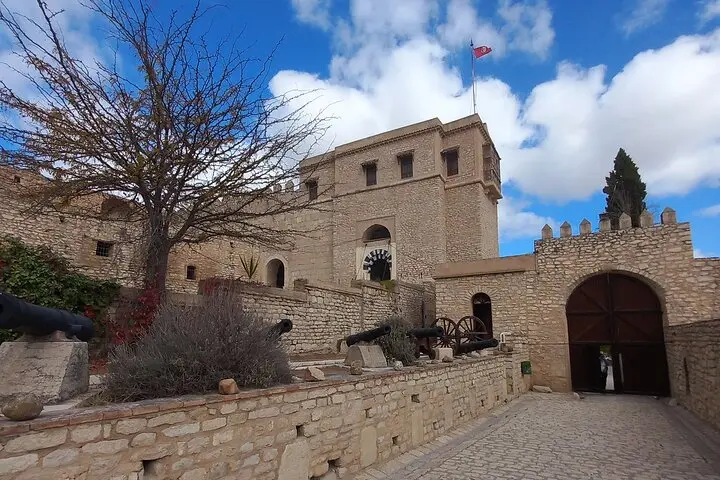
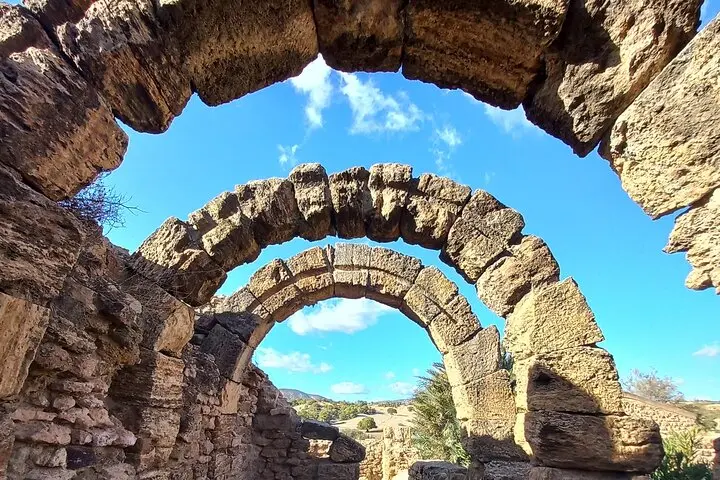
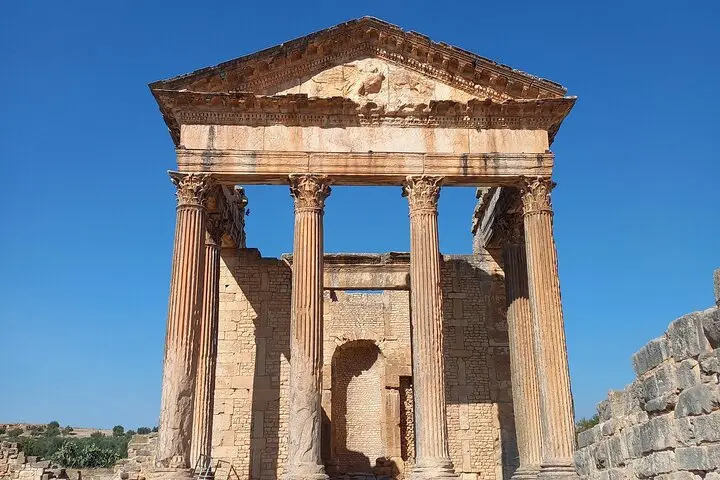
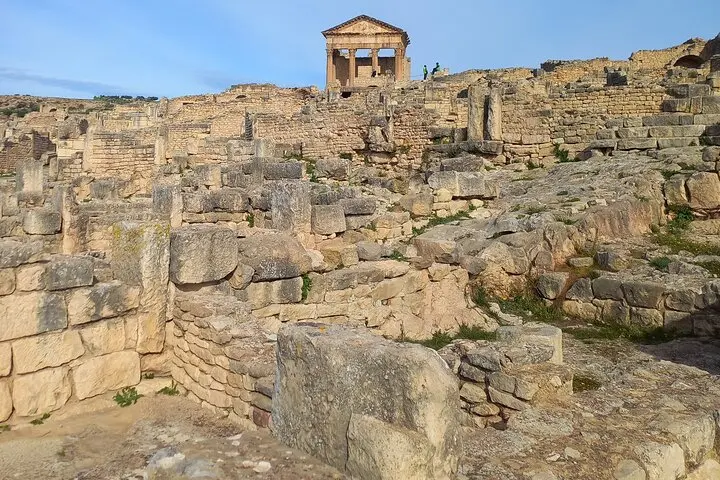
Dougga (Thugga) is the centerpiece: a compact UNESCO site of temples, a theater, and paved cardo where Roman stonework holds wind and light the same way it did two millennia ago. El Kef arrives next—an Ottoman kasbah crowning a steep medina, Byzantine basilica ruins, and narrow lanes that reveal the town’s layered past as Sicca Veneria. Testour’s Andalusian layout and its mosque with a rare clock in the minaret are quieter, intimate chapters that show how Moorish refugees reshaped local craft and ritual. Musti is visible from the roadside, its triumphal arch a photo stop and reminder of Roman road networks.
Practical guidance: the tour is private, roughly 8 hours, with about 60–90 minutes of walking at major sites; expect uneven stone and short climbs. Admission to Dougga is included; bring sun protection, reusable water, sturdy shoes, and a light layer for coastal breezes. Lunch of regional specialties is part of the itinerary—plan for a relaxed midday break. Early starts beat heat and crowds; keep a camera ready and some spare change for small market purchases. The trip balances cultural depth with outdoor exploration—historic stones that still dare the wind and travelers to keep moving forward.
Yes—admission to Dougga is included in the tour itinerary; other small-site fees are typically covered but confirm with your guide.
The tour departs from Tunis and returns the same day—pickup details are arranged at booking and may include central hotels or agreed meeting points.
Transportation is wheelchair accessible, but archaeological sites and some medina streets have uneven surfaces that limit full wheelchair access; contact the operator for specific assistance.
Guides commonly speak French and Arabic; English guides are often available—confirm language preference when booking.
Tunisia Guided Tours operates guided outdoor trips and adventures with an emphasis on safety, stewardship, and memorable experiences.
Morning light spills across green plains as the coach peels away from Tunis and climbs toward the cool air of northwest Tunisia. In eight hours, travelers move through time: hilltop medinas, Moorish streets, and one of North Africa’s best-preserved Roman cities. The drive itself frames the trip—pine-clad slopes give way to olive terraces and wide vistas that push your attention outward.
Morning light spills across green plains as the coach peels away from Tunis and climbs toward the cool air of northwest Tunisia. In eight hours, travelers move through time: hilltop medinas, Moorish streets, and one of North Africa’s best-preserved Roman cities. The drive itself frames the trip—pine-clad slopes give way to olive terraces and wide vistas that push your attention outward.
Dougga (Thugga) is the centerpiece: a compact UNESCO site of temples, a theater, and paved cardo where Roman stonework holds wind and light the same way it did two millennia ago. El Kef arrives next—an Ottoman kasbah crowning a steep medina, Byzantine basilica ruins, and narrow lanes that reveal the town’s layered past as Sicca Veneria. Testour’s Andalusian layout and its mosque with a rare clock in the minaret are quieter, intimate chapters that show how Moorish refugees reshaped local craft and ritual. Musti is visible from the roadside, its triumphal arch a photo stop and reminder of Roman road networks.
Practical guidance: the tour is private, roughly 8 hours, with about 60–90 minutes of walking at major sites; expect uneven stone and short climbs. Admission to Dougga is included; bring sun protection, reusable water, sturdy shoes, and a light layer for coastal breezes. Lunch of regional specialties is part of the itinerary—plan for a relaxed midday break. Early starts beat heat and crowds; keep a camera ready and some spare change for small market purchases. The trip balances cultural depth with outdoor exploration—historic stones that still dare the wind and travelers to keep moving forward.