THE ADVENTURE COLLECTIVE® · Independent discovery and booking for outdoor travel

A full-day excursion from Cairo through El Fayoum’s fertile plains to Wadi Hitan (Valley of the Whales), Wadi El Rayan waterfalls, and the excavated temple of Medinet Madi. Expect fossils, lakeside views, and light walks on mixed terrain.
A full-day excursion from Cairo through El Fayoum’s fertile plains to Wadi Hitan (Valley of the Whales), Wadi El Rayan waterfalls, and the excavated temple of Medinet Madi. Expect fossils, lakeside views, and light walks on mixed terrain.
You step out of Cairo's bustle onto a flat, sun-baked plain where the air already tastes different—drier, with a distant reed-scented hint from the lakes. The minivan hums toward El Fayoum, and as the city grid melts into farmland, a low ridge of desert rises like a deliberate interruption: Wadi El Rayan and the Valley of the Whales await.
Verified experiences and guided adventures in the surrounding area.
Operated by Cleopatra Egypt Tours · Faiyum, Faiyum Governorate
You step out of Cairo's bustle onto a flat, sun-baked plain where the air already tastes different—drier, with a distant reed-scented hint from the lakes. The minivan hums toward El Fayoum, and as the city grid melts into farmland, a low ridge of desert rises like a deliberate interruption: Wadi El Rayan and the Valley of the Whales await.
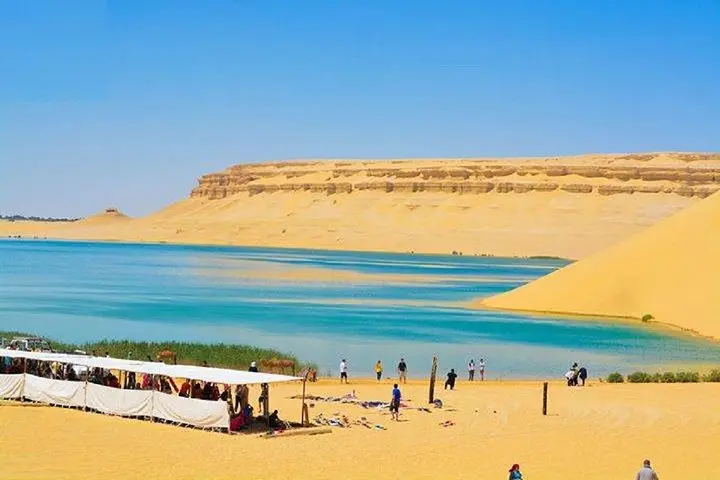
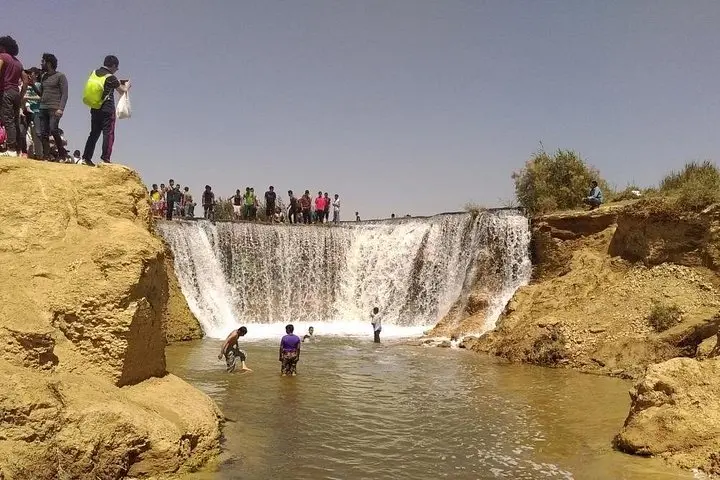
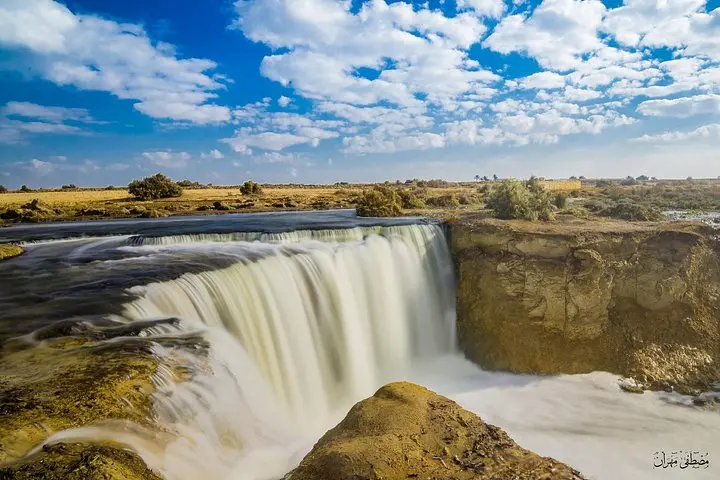
This region has a layered history: Pharaonic irrigation projects reshaped the landscape, Roman villages left masonry threads, and more recently, 20th-century agricultural canals rewired runoff into new wetlands. Geologically, Wadi Hitan preserves Eocene whale fossils—archaeocetes that speak to an ancient shore when sea levels were very different—while Wadi El Rayan's waterfalls were born from agricultural overflow in the 1970s and now feed small lakes ringed by reeds and migrating birds.
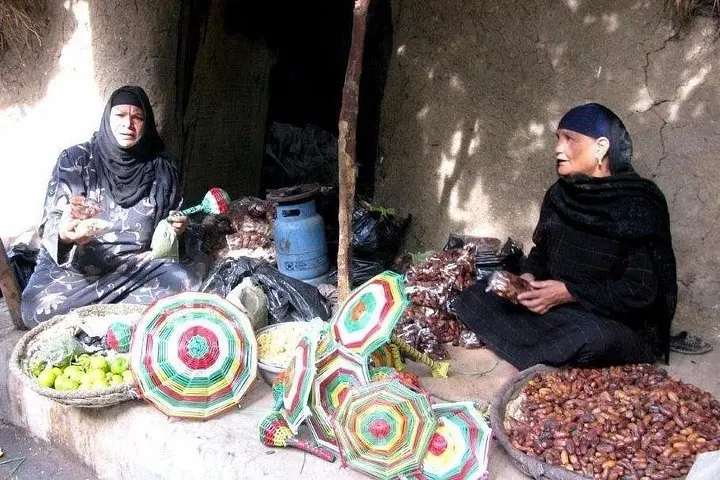
Culturally, Fayoum farms supply fruit to Cairo markets, and Medinet Madi’s ruined temple offers a quiet human counterpoint to the fossilized giants.
Practical guidance: expect a full-day outing with long drives on paved roads and short walks on uneven desert and lakeshore terrain. Bring sun protection, sturdy shoes for fossil beds, and a camera with zoom for birds and ruins. The guide will handle logistics—transport, bottled water, and lunch—so you can focus on reading the land: fossilized ribs pointing toward an older sea, water daring the desert to reclaim it, and fields that still feed a nation.
This is a full-day (approx. 10-hour) private tour from Cairo; it typically includes hotel pickup/drop-off, transport by air-conditioned minivan, an Egyptologist guide, bottled water, lunch, and entrance arrangements as described by the operator.
Access generally involves short, unpaved walks over rocky surfaces; no technical climbing is required but sturdy footwear is recommended.
Yes—it's rated easy and suitable for most fitness levels, though long drives and some uneven walking may be tiring for very young children or those with limited mobility.
Swimming is not typically part of the itinerary; the lakes are primarily scenic and ecological sites—follow local guidance and respect protected areas.
Cleopatra Egypt Tours operates guided outdoor trips and adventures with an emphasis on safety, stewardship, and memorable experiences.
You step out of Cairo's bustle onto a flat, sun-baked plain where the air already tastes different—drier, with a distant reed-scented hint from the lakes. The minivan hums toward El Fayoum, and as the city grid melts into farmland, a low ridge of desert rises like a deliberate interruption: Wadi El Rayan and the Valley of the Whales await.
You step out of Cairo's bustle onto a flat, sun-baked plain where the air already tastes different—drier, with a distant reed-scented hint from the lakes. The minivan hums toward El Fayoum, and as the city grid melts into farmland, a low ridge of desert rises like a deliberate interruption: Wadi El Rayan and the Valley of the Whales await.
This region has a layered history: Pharaonic irrigation projects reshaped the landscape, Roman villages left masonry threads, and more recently, 20th-century agricultural canals rewired runoff into new wetlands. Geologically, Wadi Hitan preserves Eocene whale fossils—archaeocetes that speak to an ancient shore when sea levels were very different—while Wadi El Rayan's waterfalls were born from agricultural overflow in the 1970s and now feed small lakes ringed by reeds and migrating birds.
Culturally, Fayoum farms supply fruit to Cairo markets, and Medinet Madi’s ruined temple offers a quiet human counterpoint to the fossilized giants.
Practical guidance: expect a full-day outing with long drives on paved roads and short walks on uneven desert and lakeshore terrain. Bring sun protection, sturdy shoes for fossil beds, and a camera with zoom for birds and ruins. The guide will handle logistics—transport, bottled water, and lunch—so you can focus on reading the land: fossilized ribs pointing toward an older sea, water daring the desert to reclaim it, and fields that still feed a nation.