THE ADVENTURE COLLECTIVE® · Independent discovery and booking for outdoor travel

Escape Cairo for a full-day excursion to El Minya, where Hermopolis necropolises, Beni Hassan's Middle Kingdom tombs and the Tell el-Amarna tablets reveal Egypt's provincial life across millennia. Long drives, quiet sites and rewarding close-up history await.
Escape Cairo for a full-day excursion to El Minya, where Hermopolis necropolises, Beni Hassan's Middle Kingdom tombs and the Tell el-Amarna tablets reveal Egypt's provincial life across millennia. Long drives, quiet sites and rewarding close-up history await.
The sun lifts off the Nile and pins a warm, flat light across limestone cliffs as your driver eases out of Cairo at dawn. Four hours of open road and riverbanks unfold before you; villages blur, gullies stitch the horizon, and the wide silence of Upper Egypt begins to take shape. Arriving in El Minya feels like stepping sideways in time — rock-cut tombs wait above the plain and clay tablets whisper of imperial correspondence.
Verified experiences and guided adventures in the surrounding area.
Operated by Egypt Tours Online · El Minya, Minya Governorate
The sun lifts off the Nile and pins a warm, flat light across limestone cliffs as your driver eases out of Cairo at dawn. Four hours of open road and riverbanks unfold before you; villages blur, gullies stitch the horizon, and the wide silence of Upper Egypt begins to take shape. Arriving in El Minya feels like stepping sideways in time — rock-cut tombs wait above the plain and clay tablets whisper of imperial correspondence.
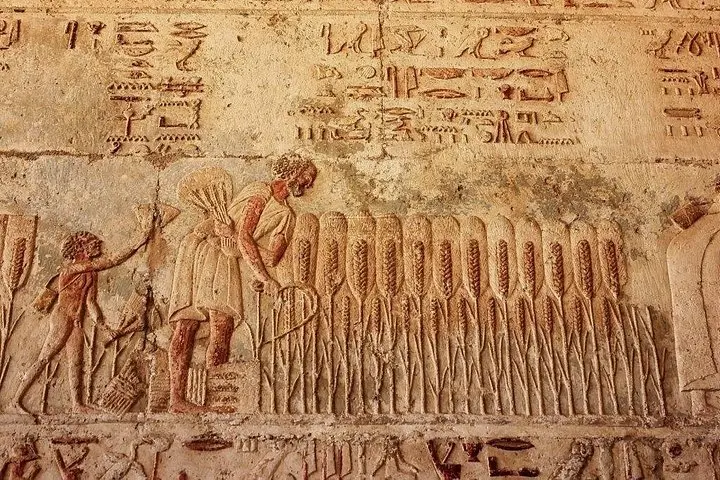
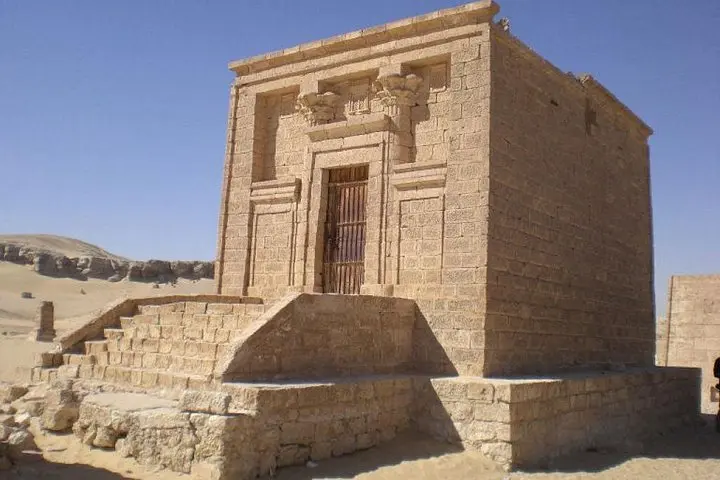
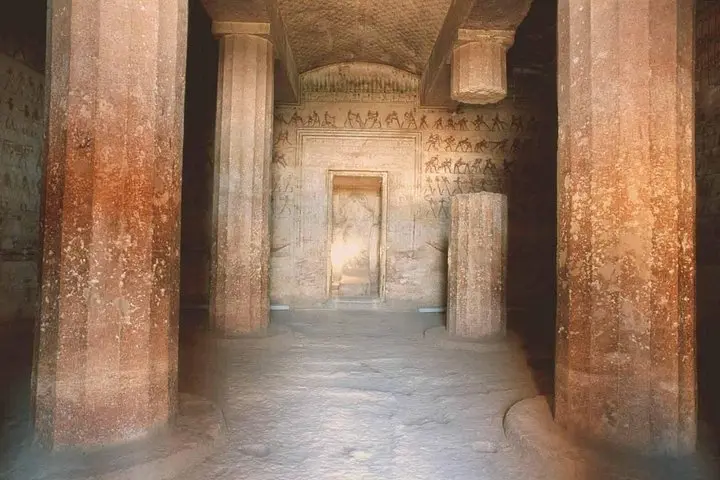
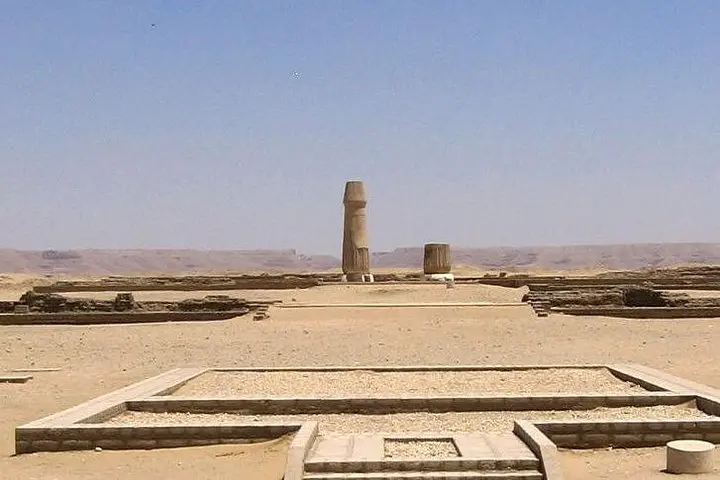
This day tour stitches together Tuna el-Gabal (the necropolis for ancient Hermopolis), the painted rock-cut tombs of Beni Hassan from the Middle Kingdom, and the site of Tell el-Amarna, where the Amarna letters once connected pharaohs to faraway kings. Geologically the region is late-Palaeozoic limestone carved into cliffs and wadis; culturally it was a crossroads of administration and scribal life under the 11th–12th dynasties and again in the Amarna period.
Expect dry air, low scrub, and archaeological sites that reward careful walking more than scrambling. The pace is methodical: short guided walks, time to study reliefs, and long stretches on the road back to Cairo.
Practical guidance: start early, carry at least 2–3 liters of water, sun protection, and a comfortable pair of walking shoes with good soles for uneven ground. Plan for a long day — most of the time is in transit — and confirm entrance fees and photography rules before arrival. Respect fragile reliefs and stay on marked paths; the stones here have survived millennia and are counting on you to keep them safe.
Expect about four hours each way by private air-conditioned vehicle, depending on traffic and stops.
The itinerary does not list admissions or meals as included; confirm with the operator before booking and carry cash for entrance fees and snacks.
Infant seats are available and the tour is family-friendly, but the long day and uneven terrain at sites may be tiring for young children.
Photography is generally allowed for personal use, but flash or touching reliefs is prohibited; specific sites may have different rules so follow your guide's instructions.
Egypt Tours Online operates guided outdoor trips and adventures with an emphasis on safety, stewardship, and memorable experiences.
The sun lifts off the Nile and pins a warm, flat light across limestone cliffs as your driver eases out of Cairo at dawn. Four hours of open road and riverbanks unfold before you; villages blur, gullies stitch the horizon, and the wide silence of Upper Egypt begins to take shape. Arriving in El Minya feels like stepping sideways in time — rock-cut tombs wait above the plain and clay tablets whisper of imperial correspondence.
The sun lifts off the Nile and pins a warm, flat light across limestone cliffs as your driver eases out of Cairo at dawn. Four hours of open road and riverbanks unfold before you; villages blur, gullies stitch the horizon, and the wide silence of Upper Egypt begins to take shape. Arriving in El Minya feels like stepping sideways in time — rock-cut tombs wait above the plain and clay tablets whisper of imperial correspondence.
This day tour stitches together Tuna el-Gabal (the necropolis for ancient Hermopolis), the painted rock-cut tombs of Beni Hassan from the Middle Kingdom, and the site of Tell el-Amarna, where the Amarna letters once connected pharaohs to faraway kings. Geologically the region is late-Palaeozoic limestone carved into cliffs and wadis; culturally it was a crossroads of administration and scribal life under the 11th–12th dynasties and again in the Amarna period.
Expect dry air, low scrub, and archaeological sites that reward careful walking more than scrambling. The pace is methodical: short guided walks, time to study reliefs, and long stretches on the road back to Cairo.
Practical guidance: start early, carry at least 2–3 liters of water, sun protection, and a comfortable pair of walking shoes with good soles for uneven ground. Plan for a long day — most of the time is in transit — and confirm entrance fees and photography rules before arrival. Respect fragile reliefs and stay on marked paths; the stones here have survived millennia and are counting on you to keep them safe.