THE ADVENTURE COLLECTIVE® · Independent discovery and booking for outdoor travel

Walk through warm, shallow water to reach Elafonisi’s famous pink sands on this full-day trip from Crete’s north coast. Expect an eleven-hour day that pairs a scenic drive through Topolia Gorge with four hours of swimming, beach time and protected dune habitat.
Walk through warm, shallow water to reach Elafonisi’s famous pink sands on this full-day trip from Crete’s north coast. Expect an eleven-hour day that pairs a scenic drive through Topolia Gorge with four hours of swimming, beach time and protected dune habitat.
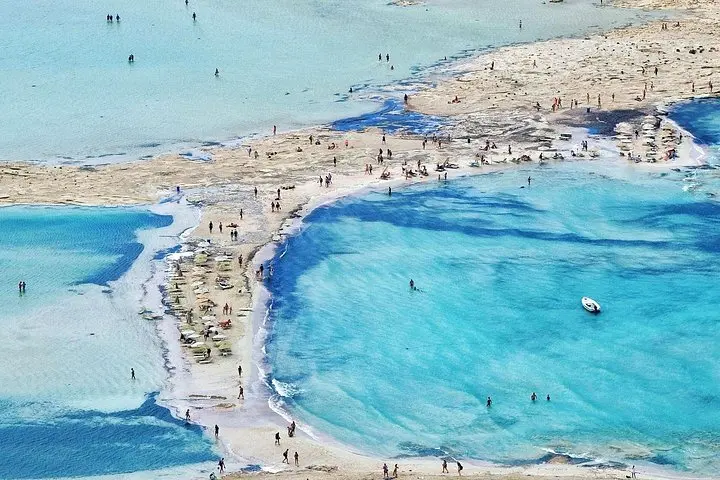
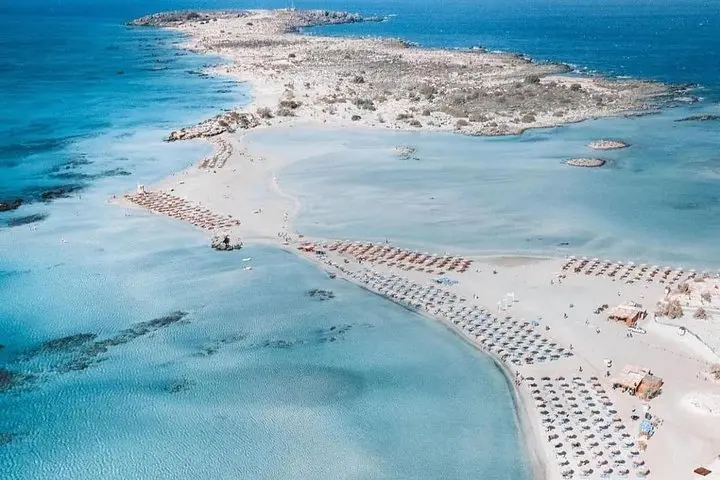
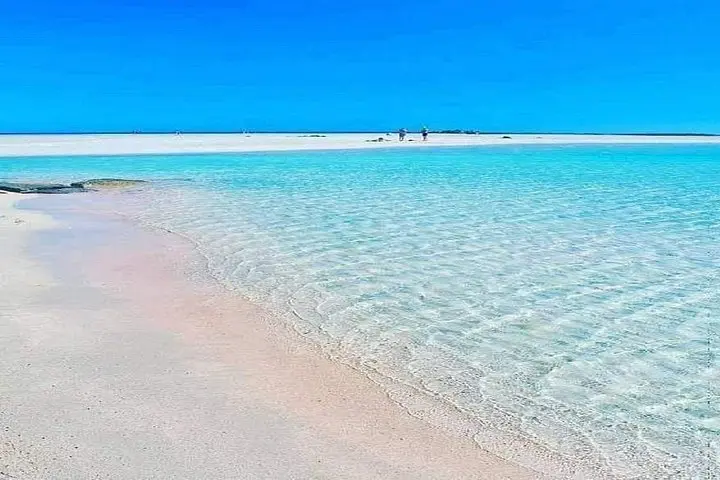
You step off the coach where the road yields to low dunes and a shallow lagoon; the water at your feet is aquamarine, warm enough to make the walk across feel like a threshold between two worlds. Elafonisi—part island, part peninsular spit—opens like a bright page: pink-tinted sand underfoot, low junipers sheltering the shore, and the horizon wide and uninterrupted.
Verified experiences and guided adventures in the surrounding area.
Operated by PLATANOS TOURS · Elafonisi, Crete
You step off the coach where the road yields to low dunes and a shallow lagoon; the water at your feet is aquamarine, warm enough to make the walk across feel like a threshold between two worlds. Elafonisi—part island, part peninsular spit—opens like a bright page: pink-tinted sand underfoot, low junipers sheltering the shore, and the horizon wide and uninterrupted.
This stretch of southwest Crete carries layers of history. Pirates used the coves for cover; later Venetian and Ottoman maps marked the coast for its strategic bays. Geologically, the sand’s rose hue comes from tiny fragments of shell and coral ground over millennia, pushed ashore by gentle currents. The surrounding scrub and dunes host endemic plants and migratory shorebirds; the area is protected and managed to limit erosion and disturbance.
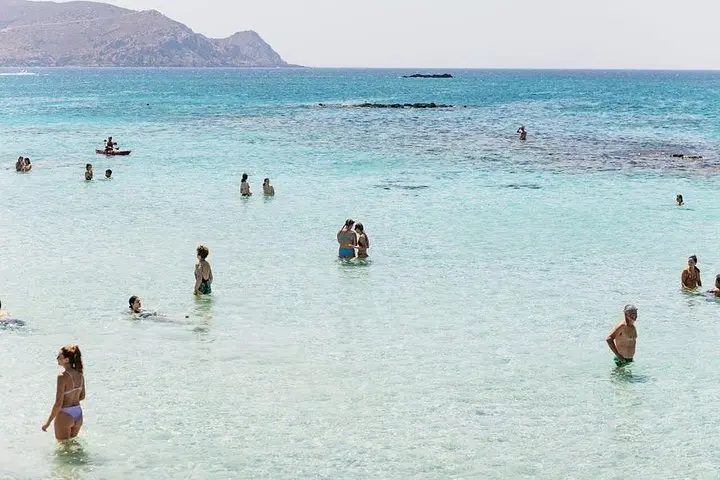
Local culture is still village-first: small cafés in Elos serve chestnut pastries and strong coffee before you descend through Topolia Gorge, and beach kiosks on Elafonisi provide light meals when you don’t want to pack out. Expect to wade across ankle- to knee-deep water to reach the main sandbank and plan for at least four hours to swim, stroll and watch the light shift across the lagoon.
Practical guidance: bring reef or water shoes, high-SPF sun protection, and a refillable bottle; services are limited and shade rare. Respect fenced dunes and signage—stay on paths and leave shells and vegetation in place. If you’re traveling from Heraklion or the central north coast, allow a full day for bus transfers; the route through Topolia Gorge is scenic but winding. With the right prep, Elafonisi rewards patience with a rare, luminous beach day.
The full-day tour runs about 11 hours from pickup to drop-off; expect several hours on the bus each way depending on pickup location.
No deep swimming is required—you usually wade through ankle- to knee-deep water to cross to the main sandbank, but basic swimming ability is recommended for safety in open water.
There are a few kiosks that sell snacks and drinks and basic restroom facilities near the main beach area, but options are limited—pack essentials if you prefer specific foods.
Yes, parts of Elafonisi are protected for wildlife and dune conservation; follow signage, avoid fenced areas and do not collect shells or plants.
PLATANOS TOURS operates guided outdoor trips and adventures with an emphasis on safety, stewardship, and memorable experiences.
You step off the coach where the road yields to low dunes and a shallow lagoon; the water at your feet is aquamarine, warm enough to make the walk across feel like a threshold between two worlds. Elafonisi—part island, part peninsular spit—opens like a bright page: pink-tinted sand underfoot, low junipers sheltering the shore, and the horizon wide and uninterrupted.
You step off the coach where the road yields to low dunes and a shallow lagoon; the water at your feet is aquamarine, warm enough to make the walk across feel like a threshold between two worlds. Elafonisi—part island, part peninsular spit—opens like a bright page: pink-tinted sand underfoot, low junipers sheltering the shore, and the horizon wide and uninterrupted.
This stretch of southwest Crete carries layers of history. Pirates used the coves for cover; later Venetian and Ottoman maps marked the coast for its strategic bays. Geologically, the sand’s rose hue comes from tiny fragments of shell and coral ground over millennia, pushed ashore by gentle currents. The surrounding scrub and dunes host endemic plants and migratory shorebirds; the area is protected and managed to limit erosion and disturbance.
Local culture is still village-first: small cafés in Elos serve chestnut pastries and strong coffee before you descend through Topolia Gorge, and beach kiosks on Elafonisi provide light meals when you don’t want to pack out. Expect to wade across ankle- to knee-deep water to reach the main sandbank and plan for at least four hours to swim, stroll and watch the light shift across the lagoon.
Practical guidance: bring reef or water shoes, high-SPF sun protection, and a refillable bottle; services are limited and shade rare. Respect fenced dunes and signage—stay on paths and leave shells and vegetation in place. If you’re traveling from Heraklion or the central north coast, allow a full day for bus transfers; the route through Topolia Gorge is scenic but winding. With the right prep, Elafonisi rewards patience with a rare, luminous beach day.