THE ADVENTURE COLLECTIVE® · Independent discovery and booking for outdoor travel

Drive west from Marrakesh across argan-strewn hills to Essaouira's wind-scoured ramparts for a day of coastal walks, fresh seafood at the quay and a glimpse into a centuries-old port town. This full-day outing pairs panoramic views with practical stops for markets and tea.
Drive west from Marrakesh across argan-strewn hills to Essaouira's wind-scoured ramparts for a day of coastal walks, fresh seafood at the quay and a glimpse into a centuries-old port town. This full-day outing pairs panoramic views with practical stops for markets and tea.
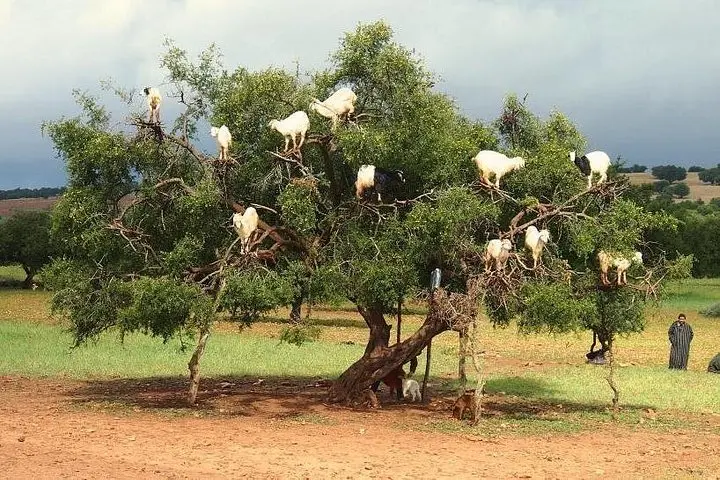
You leave Marrakesh before the heat builds and the road unfurls west toward the Atlantic — two hours of low hills, small villages and the green scatter of argan trees that seem to go on forever. Goats clamber in the trees like a dare, wind picks up as the land opens to sea, and the van smells faintly of dust and eucalyptus. By late morning the ramparts of Essaouira appear, whitewashed and wind-battered, a clear line between inland and ocean.
Verified experiences and guided adventures in the surrounding area.
Operated by Marrakesh Indeed · Essaouira, Marrakesh-Safi
You leave Marrakesh before the heat builds and the road unfurls west toward the Atlantic — two hours of low hills, small villages and the green scatter of argan trees that seem to go on forever. Goats clamber in the trees like a dare, wind picks up as the land opens to sea, and the van smells faintly of dust and eucalyptus. By late morning the ramparts of Essaouira appear, whitewashed and wind-battered, a clear line between inland and ocean.
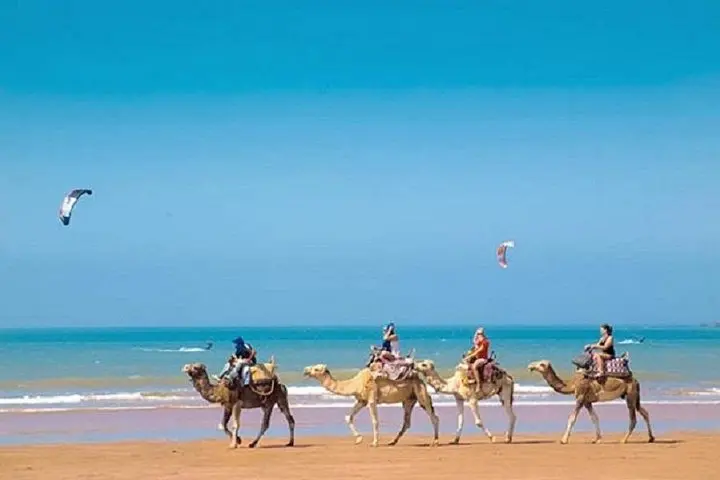
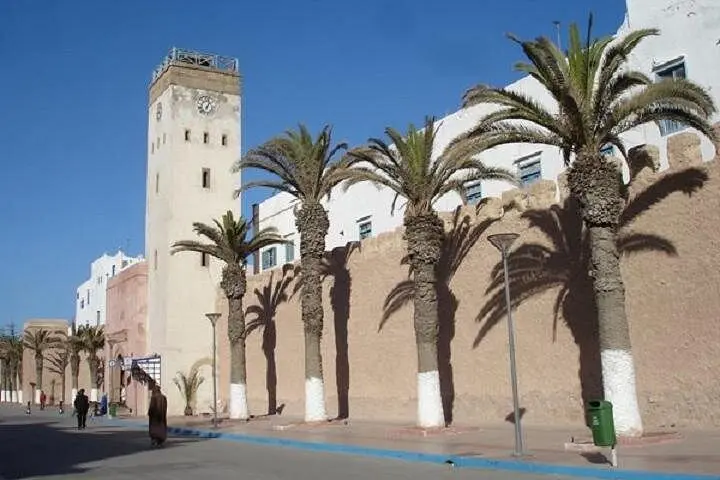
Essaouira grew as a fortified trading port from the 16th century, its stone walls and grid-style medina shaped by Portuguese, Moroccan and Ottoman influences. Geologically the coast is Atlantic shelf and sandy coves; strong consistent winds have made the town a global windsurfing spot and given the city its fortification patterns and fishing economy. Culturally the town remains a working port — the quay is where local fishermen land frank, bright fish and where Berber argan cooperatives sell oil made from native trees.
On a day trip expect a mix of relaxed coastal walking, a market visit, and panoramic viewpoints from the ramparts. The terrain is paved and cobbled in town, sandy at the beach. Plan for a full day: roughly two hours each way by road, plus 4–5 hours in Essaouira. Bring a windproof layer, sun protection, cash for the port and cooperatives, and comfortable shoes for cobbles. Aim to arrive mid-morning for the liveliest market and best light for photos. With an air-conditioned vehicle and a local driver-guide, the day balances calm seaside rhythm with cultural discovery — straightforward, vivid and easy to pace.
The direct drive typically takes about 2 hours each way depending on traffic and stops; expect a full-day outing of roughly nine hours with pick-up and drop-off.
Yes—most of the day trip is accessible and low-impact, though cobbled streets and stairs in the medina may be challenging for some; the tour is described as physically easy.
Yes, argan cooperatives and market stalls around town sell oil, cosmetics and crafts; bring cash and compare prices, and consider visiting a cooperative to see production.
Expect consistent Atlantic winds year-round; summers are warm and sunny while winters are milder with a chance of rain. Pack a wind layer and sun protection.
Marrakesh Indeed operates guided outdoor trips and adventures with an emphasis on safety, stewardship, and memorable experiences.
You leave Marrakesh before the heat builds and the road unfurls west toward the Atlantic — two hours of low hills, small villages and the green scatter of argan trees that seem to go on forever. Goats clamber in the trees like a dare, wind picks up as the land opens to sea, and the van smells faintly of dust and eucalyptus. By late morning the ramparts of Essaouira appear, whitewashed and wind-battered, a clear line between inland and ocean.
You leave Marrakesh before the heat builds and the road unfurls west toward the Atlantic — two hours of low hills, small villages and the green scatter of argan trees that seem to go on forever. Goats clamber in the trees like a dare, wind picks up as the land opens to sea, and the van smells faintly of dust and eucalyptus. By late morning the ramparts of Essaouira appear, whitewashed and wind-battered, a clear line between inland and ocean.
Essaouira grew as a fortified trading port from the 16th century, its stone walls and grid-style medina shaped by Portuguese, Moroccan and Ottoman influences. Geologically the coast is Atlantic shelf and sandy coves; strong consistent winds have made the town a global windsurfing spot and given the city its fortification patterns and fishing economy. Culturally the town remains a working port — the quay is where local fishermen land frank, bright fish and where Berber argan cooperatives sell oil made from native trees.
On a day trip expect a mix of relaxed coastal walking, a market visit, and panoramic viewpoints from the ramparts. The terrain is paved and cobbled in town, sandy at the beach. Plan for a full day: roughly two hours each way by road, plus 4–5 hours in Essaouira. Bring a windproof layer, sun protection, cash for the port and cooperatives, and comfortable shoes for cobbles. Aim to arrive mid-morning for the liveliest market and best light for photos. With an air-conditioned vehicle and a local driver-guide, the day balances calm seaside rhythm with cultural discovery — straightforward, vivid and easy to pace.