THE ADVENTURE COLLECTIVE® · Independent discovery and booking for outdoor travel

A single-day escape from Marrakech to Essaouira: watch goats in argan trees, eat fresh fish at the port, and explore an 18th-century UNESCO medina. This private, air-conditioned day trip balances coastal scenery with hands-on cultural stops.
A single-day escape from Marrakech to Essaouira: watch goats in argan trees, eat fresh fish at the port, and explore an 18th-century UNESCO medina. This private, air-conditioned day trip balances coastal scenery with hands-on cultural stops.
You arrive to the Atlantic wind before the town: salt on the air, gulls calling over the port, and the city’s stone ramparts keeping a steady watch. The drive from Marrakech cuts across scrub and argan-dotted hills—about two hours each way—so the sea always feels like a small, deliberate prize.
Verified experiences and guided adventures in the surrounding area.
Operated by Our real morocco · Essaouira, Marrakesh-Safi
You arrive to the Atlantic wind before the town: salt on the air, gulls calling over the port, and the city’s stone ramparts keeping a steady watch. The drive from Marrakech cuts across scrub and argan-dotted hills—about two hours each way—so the sea always feels like a small, deliberate prize.
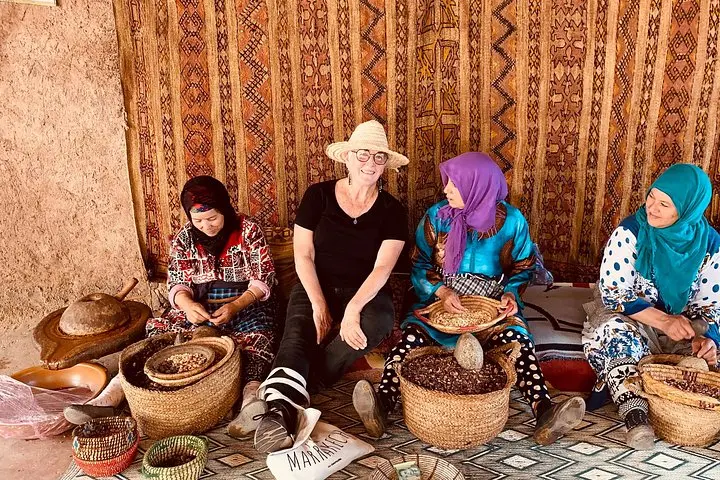
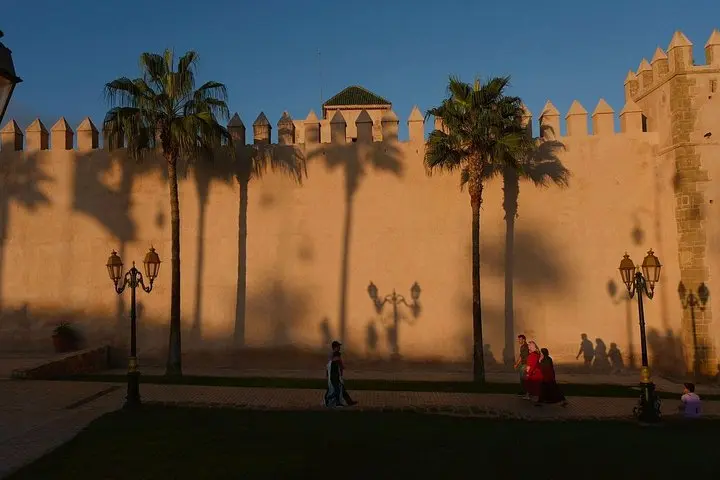
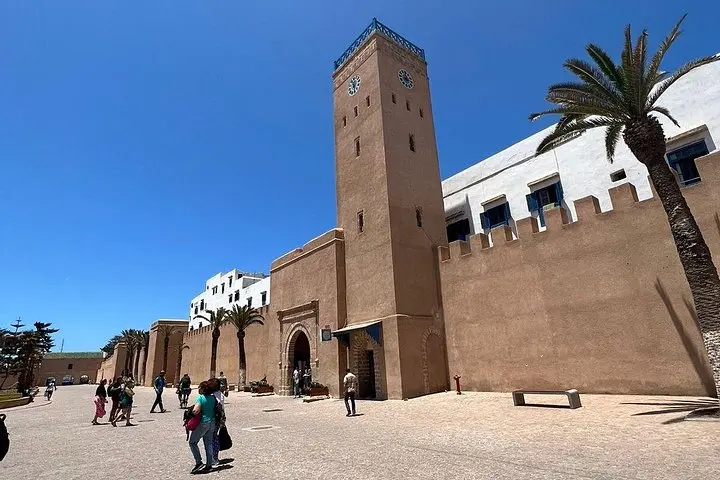
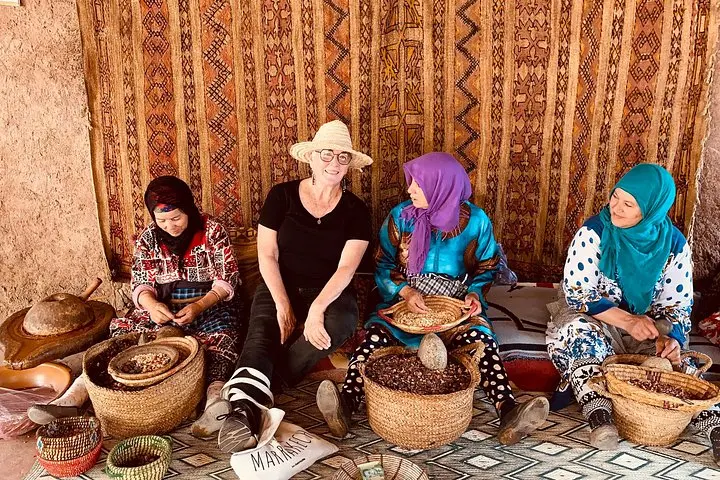
Essaouira’s medina dates to the 18th century with Portuguese-built walls that frame narrow streets, wooden shutters, and lively souks. Geologically the town sits on a rocky promontory where Atlantic swell shapes broad sandy beaches; the argan trees inland are endemic to this southwest Moroccan landscape, and the goats that climb them are an eccentric local sight. The argan cooperatives here are led by women’s collectives that press oil the traditional way; visiting one offers insight into local economies and daily craft.
Expect a fresh fish lunch at the port among fishermen and working boats, a few hours of unguided time to walk the ramparts or explore the UNESCO-listed medina, then a relaxed return to Marrakech in the late afternoon. Practical details matter: sun and wind are constant partners—bring layers, sun protection, and a reusable bottle. Cash (Moroccan dirham) is useful for market purchases and small tips; infant seats are available and the tour runs in a private, air-conditioned 4x4 with an English-speaking driver.
For photographers and day-trippers, plan your stops—argan co-ops and the port offer the clearest cultural moments. Keep an eye on weather and mobility needs; the medina’s streets are cobbled and narrow, so comfortable footwear makes the difference between a good day and a long one.
The drive is roughly two hours each way (about 2–2.5 hours depending on traffic), making this a full-day outing of around seven hours total.
Admission to the argan cooperative visit and a private driver are included, but lunch at the port and personal purchases are not included unless specified by the operator.
Yes—infant seats are available and the tour is rated easy, but parents should account for a long day in a vehicle and cobbled walking in the medina.
Yes; pickup points are arranged at booking—confirm your preferred pickup when you reserve and provide full names for all travelers.
Our real morocco operates guided outdoor trips and adventures with an emphasis on safety, stewardship, and memorable experiences.
You arrive to the Atlantic wind before the town: salt on the air, gulls calling over the port, and the city’s stone ramparts keeping a steady watch. The drive from Marrakech cuts across scrub and argan-dotted hills—about two hours each way—so the sea always feels like a small, deliberate prize.
You arrive to the Atlantic wind before the town: salt on the air, gulls calling over the port, and the city’s stone ramparts keeping a steady watch. The drive from Marrakech cuts across scrub and argan-dotted hills—about two hours each way—so the sea always feels like a small, deliberate prize.
Essaouira’s medina dates to the 18th century with Portuguese-built walls that frame narrow streets, wooden shutters, and lively souks. Geologically the town sits on a rocky promontory where Atlantic swell shapes broad sandy beaches; the argan trees inland are endemic to this southwest Moroccan landscape, and the goats that climb them are an eccentric local sight. The argan cooperatives here are led by women’s collectives that press oil the traditional way; visiting one offers insight into local economies and daily craft.
Expect a fresh fish lunch at the port among fishermen and working boats, a few hours of unguided time to walk the ramparts or explore the UNESCO-listed medina, then a relaxed return to Marrakech in the late afternoon. Practical details matter: sun and wind are constant partners—bring layers, sun protection, and a reusable bottle. Cash (Moroccan dirham) is useful for market purchases and small tips; infant seats are available and the tour runs in a private, air-conditioned 4x4 with an English-speaking driver.
For photographers and day-trippers, plan your stops—argan co-ops and the port offer the clearest cultural moments. Keep an eye on weather and mobility needs; the medina’s streets are cobbled and narrow, so comfortable footwear makes the difference between a good day and a long one.