THE ADVENTURE COLLECTIVE® · Independent discovery and booking for outdoor travel

Swap Marrakech’s heat for Essaouira’s Atlantic breeze on a full-day trip that blends coastal walks, historic ramparts, and an intimate look at a Berber argan cooperative. Practical timing, what to wear, and what to expect on the road make this an easy, rewarding day away from the city.
Swap Marrakech’s heat for Essaouira’s Atlantic breeze on a full-day trip that blends coastal walks, historic ramparts, and an intimate look at a Berber argan cooperative. Practical timing, what to wear, and what to expect on the road make this an easy, rewarding day away from the city.
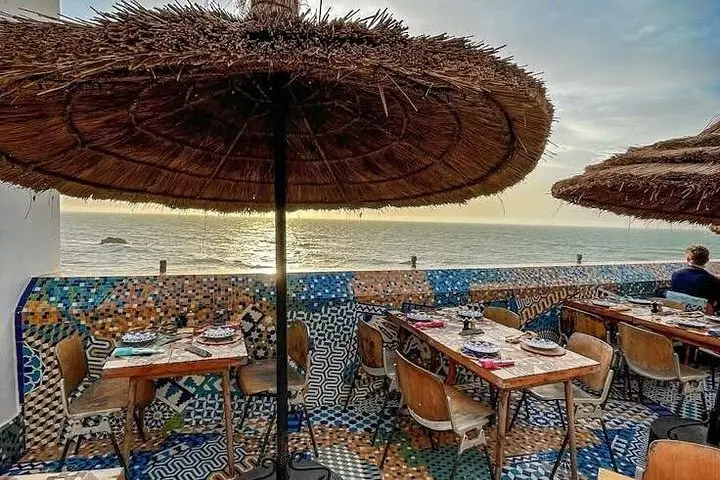
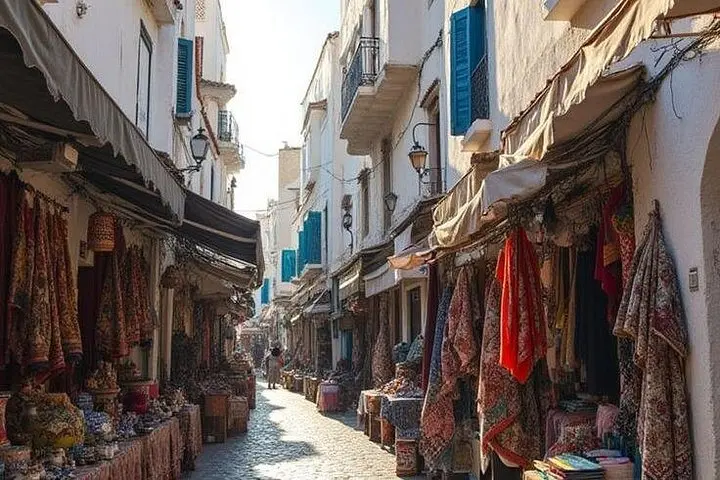
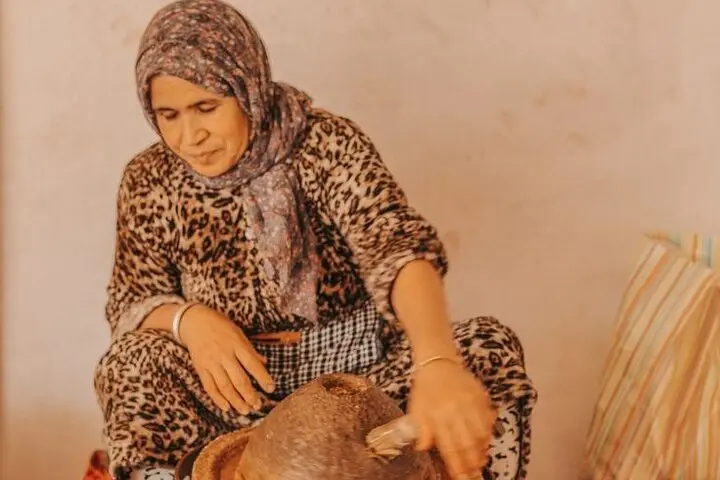
Morning light on the Atlantic throws a cool clarity into Essaouira’s stone streets as you arrive from Marrakech; gulls wheel above the port and the wind tugs at your jacket, reminding you this is a seaside city shaped by weather and trade. The day tour moves at a practical pace: a drive across the plains, a walk along ramparts, time in the medina, and a short visit to an argan cooperative where women press oil by hand.
Verified experiences and guided adventures in the surrounding area.
Operated by Najib Tours · Essaouira, Marrakech-Safi
Morning light on the Atlantic throws a cool clarity into Essaouira’s stone streets as you arrive from Marrakech; gulls wheel above the port and the wind tugs at your jacket, reminding you this is a seaside city shaped by weather and trade. The day tour moves at a practical pace: a drive across the plains, a walk along ramparts, time in the medina, and a short visit to an argan cooperative where women press oil by hand.
Essaouira — historically Mogador — sits on a rock-guarded bay protected by the Îles Purpuraires, islands once tied to the purple-dye trade. The town’s grid-like medina and 18th-century ramparts reflect European fortification ideas adapted to a Moroccan coast; cedar wood carving and blue-painted shutters trace local craft traditions that persist in galleries and workshops.
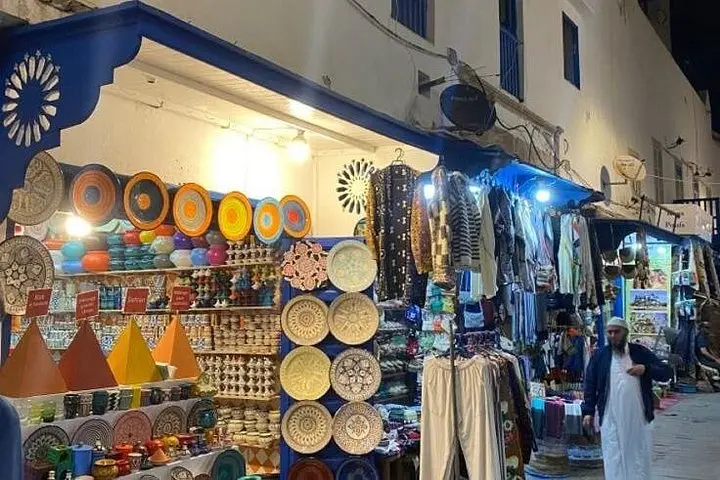
Geology here is coastal sediment and ancient limestone outcrops; wind and salt cut sharp edges into the ramparts and beaches. Culturally, Essaouira balances fishing-port grit and an evolving artist scene; you’ll notice galleries, street musicians, and markets selling argan products.
Practical guidance: wear sturdy walking shoes for cobbles and ramparts, plan for breezy conditions even in summer, and carry cash for small vendors. Expect several hours of walking interspersed with seated time in the vehicle; the itinerary typically includes guided stops at the port, the medina, beach viewpoints, and an argan cooperative. If you want photos, aim for the late afternoon light on the ramparts when the sun softens and the ocean shifts color. Respect local vendors, watch for slippery stones near the water, and leave time to stroll the port before the shuttle back to Marrakech.
Driving time is about 2.5 to 3 hours each way depending on traffic; the tour is typically a full 10-hour day including visits and stops.
Some areas have ramps and wider streets, but many alleys and historic ramparts have cobbles and steps; accessibility varies—contact the operator for specific arrangements.
Yes—cooperatives sell artisanal argan oil and cosmetic products; expect to sample items and ask questions about production methods and pricing.
This tour description doesn’t always include meals; there are cafes and seafood restaurants at the port where you can buy lunch—check the operator’s inclusions before booking.
Najib Tours operates guided outdoor trips and adventures with an emphasis on safety, stewardship, and memorable experiences.
Morning light on the Atlantic throws a cool clarity into Essaouira’s stone streets as you arrive from Marrakech; gulls wheel above the port and the wind tugs at your jacket, reminding you this is a seaside city shaped by weather and trade. The day tour moves at a practical pace: a drive across the plains, a walk along ramparts, time in the medina, and a short visit to an argan cooperative where women press oil by hand.
Morning light on the Atlantic throws a cool clarity into Essaouira’s stone streets as you arrive from Marrakech; gulls wheel above the port and the wind tugs at your jacket, reminding you this is a seaside city shaped by weather and trade. The day tour moves at a practical pace: a drive across the plains, a walk along ramparts, time in the medina, and a short visit to an argan cooperative where women press oil by hand.
Essaouira — historically Mogador — sits on a rock-guarded bay protected by the Îles Purpuraires, islands once tied to the purple-dye trade. The town’s grid-like medina and 18th-century ramparts reflect European fortification ideas adapted to a Moroccan coast; cedar wood carving and blue-painted shutters trace local craft traditions that persist in galleries and workshops.
Geology here is coastal sediment and ancient limestone outcrops; wind and salt cut sharp edges into the ramparts and beaches. Culturally, Essaouira balances fishing-port grit and an evolving artist scene; you’ll notice galleries, street musicians, and markets selling argan products.
Practical guidance: wear sturdy walking shoes for cobbles and ramparts, plan for breezy conditions even in summer, and carry cash for small vendors. Expect several hours of walking interspersed with seated time in the vehicle; the itinerary typically includes guided stops at the port, the medina, beach viewpoints, and an argan cooperative. If you want photos, aim for the late afternoon light on the ramparts when the sun softens and the ocean shifts color. Respect local vendors, watch for slippery stones near the water, and leave time to stroll the port before the shuttle back to Marrakech.