THE ADVENTURE COLLECTIVE® · Independent discovery and booking for outdoor travel

Leave Alexandria’s port for a full-day drive into Cairo to see the Giza Pyramids, the Sphinx, and the Egyptian Museum. This guided excursion combines iconic archaeology with straightforward logistics—transport, lunch and an Egyptologist guide included.
Leave Alexandria’s port for a full-day drive into Cairo to see the Giza Pyramids, the Sphinx, and the Egyptian Museum. This guided excursion combines iconic archaeology with straightforward logistics—transport, lunch and an Egyptologist guide included.
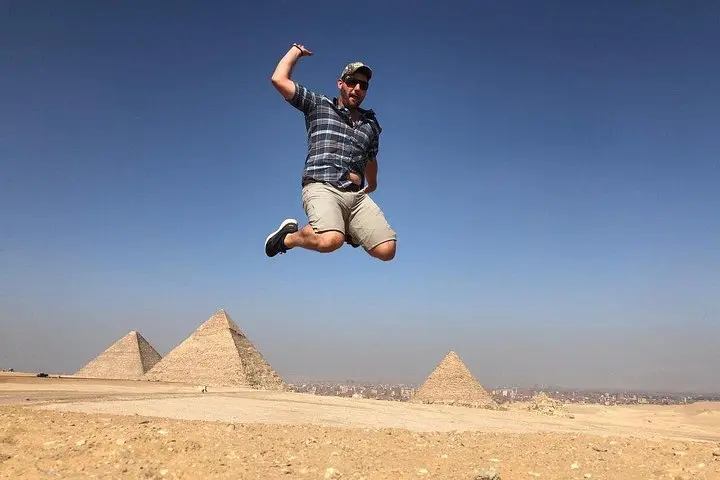
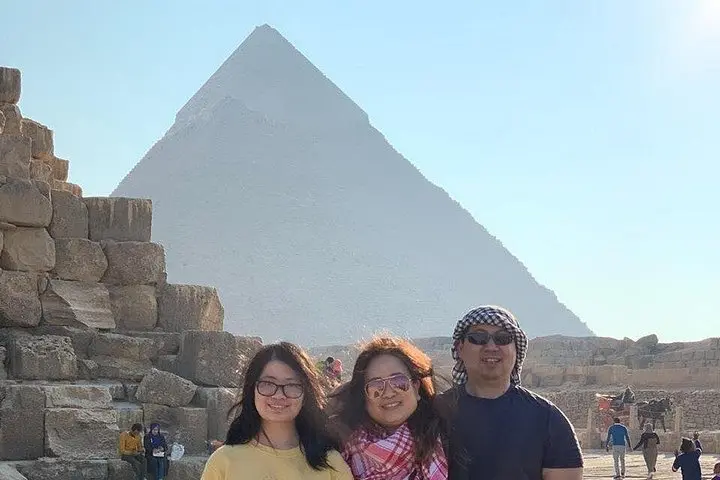
You step off the gangway in Alexandria with the salt tang of the Mediterranean still clinging to your sleeves, then slide into an air-conditioned minivan heading inland toward the heat and history of Greater Cairo. The road unfurls across flat Nile Delta plains until the skyline tilts into the low, sand-swept rise of Giza where three stone giants wait on the edge of the desert.
Verified experiences and guided adventures in the surrounding area.
Operated by Tours of Cairo · Cairo, Cairo Governorate
You step off the gangway in Alexandria with the salt tang of the Mediterranean still clinging to your sleeves, then slide into an air-conditioned minivan heading inland toward the heat and history of Greater Cairo. The road unfurls across flat Nile Delta plains until the skyline tilts into the low, sand-swept rise of Giza where three stone giants wait on the edge of the desert.
The Pyramids of Giza date to Egypt’s Old Kingdom—royal tombs carved from limestone and granite that have anchored the landscape for more than 4,500 years. Nearby, the Great Sphinx stares down the centuries, weathered by wind and city pollution. Later, in Tahrir Square, the Egyptian Museum houses one of the world’s richest collections of pharaonic artifacts, including treasures from Tutankhamun and everyday objects that illuminate daily life along the Nile.
Culturally, this route links Alexandria’s Hellenistic port history with Cairo’s role as Egypt’s administrative and archaeological hub; both cities pulse with street vendors, mosque calls and the persistent energy of urban Egypt.
Practicalities: the full excursion runs about 6–8 hours door-to-door, includes bottled water, lunch, a qualified Egyptologist guide, and transport by air-conditioned minivan. Expect moderate walking on uneven, sandy surfaces at Giza and museum floors. Bring sun protection, comfortable shoes, and a small amount of Egyptian pounds for tips or local purchases. Note: climbing the pyramids is illegal and damaging; follow your guide’s directions and stay on designated paths. Timing your visit in the early morning or late afternoon keeps temperatures lower and light better for photos.
Admission is included in this tour as listed, but special exhibits or pyramid interior access (where available) may require additional fees—ask your guide on the day.
The tour notes wheelchair accessibility for transport and museum access, but expect limited accessibility on uneven outdoor surfaces at Giza—confirm needs when booking.
Climbing the pyramids is illegal and harmful to the monuments; touching artifacts in the museum is prohibited to preserve them.
Drive time is typically around 2.5–3 hours each way depending on traffic; plan for a full-day excursion (6–8 hours total).
Tours of Cairo operates guided outdoor trips and adventures with an emphasis on safety, stewardship, and memorable experiences.


You step off the gangway in Alexandria with the salt tang of the Mediterranean still clinging to your sleeves, then slide into an air-conditioned minivan heading inland toward the heat and history of Greater Cairo. The road unfurls across flat Nile Delta plains until the skyline tilts into the low, sand-swept rise of Giza where three stone giants wait on the edge of the desert.
You step off the gangway in Alexandria with the salt tang of the Mediterranean still clinging to your sleeves, then slide into an air-conditioned minivan heading inland toward the heat and history of Greater Cairo. The road unfurls across flat Nile Delta plains until the skyline tilts into the low, sand-swept rise of Giza where three stone giants wait on the edge of the desert.
The Pyramids of Giza date to Egypt’s Old Kingdom—royal tombs carved from limestone and granite that have anchored the landscape for more than 4,500 years. Nearby, the Great Sphinx stares down the centuries, weathered by wind and city pollution. Later, in Tahrir Square, the Egyptian Museum houses one of the world’s richest collections of pharaonic artifacts, including treasures from Tutankhamun and everyday objects that illuminate daily life along the Nile.
Culturally, this route links Alexandria’s Hellenistic port history with Cairo’s role as Egypt’s administrative and archaeological hub; both cities pulse with street vendors, mosque calls and the persistent energy of urban Egypt.
Practicalities: the full excursion runs about 6–8 hours door-to-door, includes bottled water, lunch, a qualified Egyptologist guide, and transport by air-conditioned minivan. Expect moderate walking on uneven, sandy surfaces at Giza and museum floors. Bring sun protection, comfortable shoes, and a small amount of Egyptian pounds for tips or local purchases. Note: climbing the pyramids is illegal and damaging; follow your guide’s directions and stay on designated paths. Timing your visit in the early morning or late afternoon keeps temperatures lower and light better for photos.