THE ADVENTURE COLLECTIVE® · Independent discovery and booking for outdoor travel

Walk among 6th-century ruins, peer into the twin lakes of Glendalough and cross the windswept passes of the Wicklow Mountains on a full-day excursion from Dublin. This guide gives route expectations, local context, and practical tips for a smooth mountain day.
Walk among 6th-century ruins, peer into the twin lakes of Glendalough and cross the windswept passes of the Wicklow Mountains on a full-day excursion from Dublin. This guide gives route expectations, local context, and practical tips for a smooth mountain day.
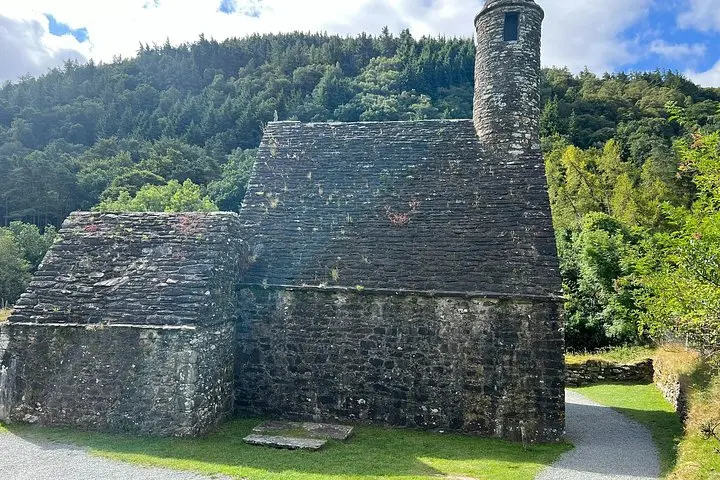
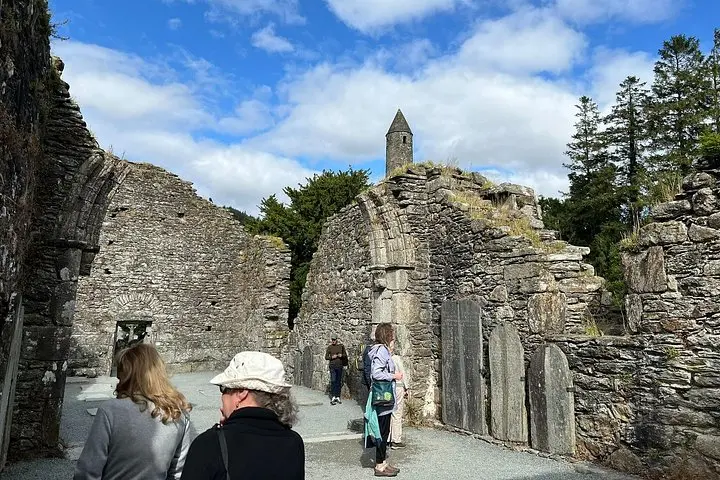
Morning light slides down a narrow valley and hits an ancient round tower — you step out at Glendalough and the valley exhales peat-scented air. The two lakes mirror steep ridges; sheep graze on folded slopes and a narrow path leads past medieval stonework toward upland views. This is a day shaped by water and stone, where quiet ruins meet wide, weathered skies.
Verified experiences and guided adventures in the surrounding area.
Operated by Ger Healy · Glendalough, County Wicklow
Morning light slides down a narrow valley and hits an ancient round tower — you step out at Glendalough and the valley exhales peat-scented air. The two lakes mirror steep ridges; sheep graze on folded slopes and a narrow path leads past medieval stonework toward upland views. This is a day shaped by water and stone, where quiet ruins meet wide, weathered skies.
Glendalough grew around a 6th-century monastic settlement founded by St. Kevin; the round tower and church ruins are living markers of Ireland’s early Christian period. Geologically the Wicklow Mountains are granite corestones carved by glaciers into broad U-shaped valleys, interspersed with blanket bog and small oligotrophic lakes like Lough Tay (the “Guinness Lake”). Cultural threads run from remote farmsteads to estates like Powerscourt, home to Ireland’s tallest waterfall and landscaped gardens.
Practical guide: expect a 6–8 hour outing if starting from Dublin — total driving plus 2–3 hours of walking on-site. Popular routes include short lakeside loops and the steeper Spinc ridge (roughly 9 km with ~250–350 m elevation gain on rough, sometimes boggy terrain). Trails can be muddy and exposed; layers, waterproofs and sturdy boots matter. Start early to beat crowds at key viewpoints, carry snacks and water, and allow time for the Sally Gap and Lough Tay photo stops. Mobile signal is intermittent; respect archaeological sites and stick to marked trails to protect fragile peatlands. With clear preparation, this day trip balances easy access from Dublin with genuinely wild mountain scenery.
Glendalough is roughly 45–60 minutes by car from Dublin city depending on traffic; tours factor this into a full-day schedule.
Yes—there are easy lakeside paths suitable for families, but steeper routes like the Spinc have exposed sections and uneven footing.
There are basic visitor facilities near the monastic site including toilets and a small cafe; options are limited in more remote areas so bring snacks.
You can view Lough Tay from public roadside viewpoints, but some viewpoints look toward private estates—respect signage and private land boundaries.
Ger Healy operates guided outdoor trips and adventures with an emphasis on safety, stewardship, and memorable experiences.
Morning light slides down a narrow valley and hits an ancient round tower — you step out at Glendalough and the valley exhales peat-scented air. The two lakes mirror steep ridges; sheep graze on folded slopes and a narrow path leads past medieval stonework toward upland views. This is a day shaped by water and stone, where quiet ruins meet wide, weathered skies.
Morning light slides down a narrow valley and hits an ancient round tower — you step out at Glendalough and the valley exhales peat-scented air. The two lakes mirror steep ridges; sheep graze on folded slopes and a narrow path leads past medieval stonework toward upland views. This is a day shaped by water and stone, where quiet ruins meet wide, weathered skies.
Glendalough grew around a 6th-century monastic settlement founded by St. Kevin; the round tower and church ruins are living markers of Ireland’s early Christian period. Geologically the Wicklow Mountains are granite corestones carved by glaciers into broad U-shaped valleys, interspersed with blanket bog and small oligotrophic lakes like Lough Tay (the “Guinness Lake”). Cultural threads run from remote farmsteads to estates like Powerscourt, home to Ireland’s tallest waterfall and landscaped gardens.
Practical guide: expect a 6–8 hour outing if starting from Dublin — total driving plus 2–3 hours of walking on-site. Popular routes include short lakeside loops and the steeper Spinc ridge (roughly 9 km with ~250–350 m elevation gain on rough, sometimes boggy terrain). Trails can be muddy and exposed; layers, waterproofs and sturdy boots matter. Start early to beat crowds at key viewpoints, carry snacks and water, and allow time for the Sally Gap and Lough Tay photo stops. Mobile signal is intermittent; respect archaeological sites and stick to marked trails to protect fragile peatlands. With clear preparation, this day trip balances easy access from Dublin with genuinely wild mountain scenery.