THE ADVENTURE COLLECTIVE® · Independent discovery and booking for outdoor travel

A compact mountain village clinging to a limestone crag, Guadalest offers sweeping reservoir views, castle ruins and a clutch of eccentric museums. This full-day coach excursion from Benidorm or Albir delivers three hours of self-guided exploration and practical tips for making the most of a steep, short walk through history.
A compact mountain village clinging to a limestone crag, Guadalest offers sweeping reservoir views, castle ruins and a clutch of eccentric museums. This full-day coach excursion from Benidorm or Albir delivers three hours of self-guided exploration and practical tips for making the most of a steep, short walk through history.
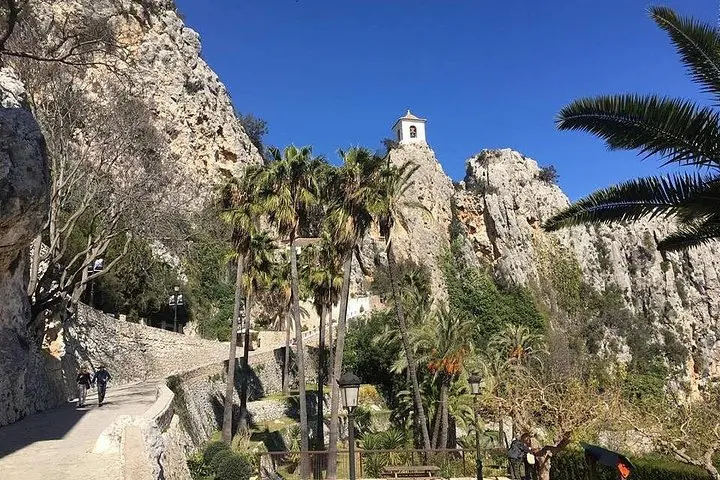
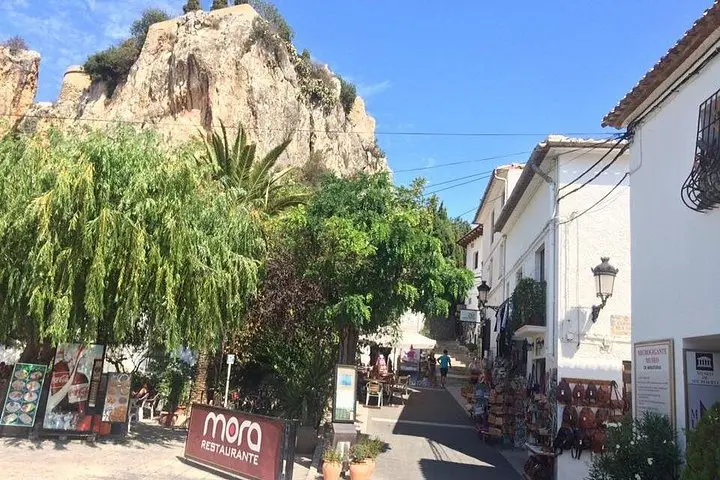
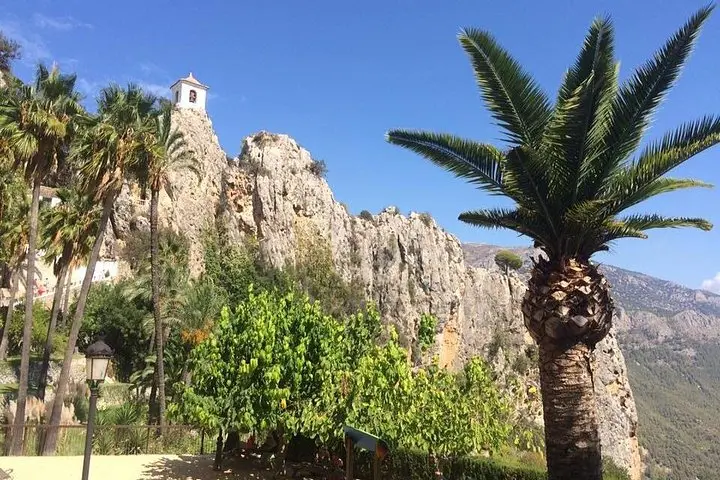
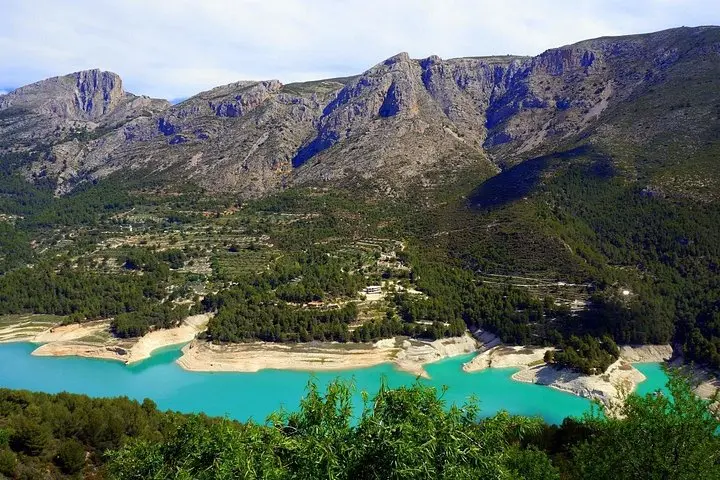
You step off the coach and the valley opens: a sheer limestone spur holds a tiny village like a hand on a cliff, the reservoir below flashing turquoise in the sun. Narrow stone streets rise between whitewashed houses; wind pushes cool air down the gorge and the castle ruins sit above, watching over a landscape carved by water and time.
Verified experiences and guided adventures in the surrounding area.
Operated by Round Town Travel S.L. · Guadalest, Alicante
You step off the coach and the valley opens: a sheer limestone spur holds a tiny village like a hand on a cliff, the reservoir below flashing turquoise in the sun. Narrow stone streets rise between whitewashed houses; wind pushes cool air down the gorge and the castle ruins sit above, watching over a landscape carved by water and time.
Guadalest began as a Moorish stronghold and later became a strategic medieval site after Christian reconquest; the Castillo sits on a rocky outcrop of Miocene limestone, a geological backbone that forced settlement into compact tiers. Today the village’s quirky museums — from ethnography and micro-sculptures to the motor museum — speak to a community that turned heritage and eccentric collections into an economy of visitors.
Expect roughly 45–50 minutes on an air-conditioned coach from Benidorm or Albir, and about three hours of free time in the village on a typical shared excursion. Paths are short but steep: many attractions are reached by flights of stone steps and uneven cobbles. Bring water and a hat for summer heat, and allow time to peer over viewpoints toward the Embalse de Guadalest and the surrounding Marina Baixa ridges.
Practicalities: museums have separate admission fees and modest opening hours; the tour provides an English-speaking escort and fixed drop-off points. Comfortable walking shoes and a moderate fitness level make the visit straightforward, while quieter mornings or late afternoons reduce crowds. Respect narrow lanes, local dress guidance, and watch for limited mobility access — luggage and boarding assistance are constrained by coach insurance.
Typical itineraries allow about three hours of free time in the village for walking, museum visits and refreshments.
The coach can carry a collapsible wheelchair in the hold, but village streets, steps and limited assistance mean full accessibility is restricted.
No—museum entries are generally not included and are paid on site; the motor museum stop is optional during the shorter break.
The escort/host provides information in English; local signage and shopkeepers may use Spanish.
Round Town Travel S.L. operates guided outdoor trips and adventures with an emphasis on safety, stewardship, and memorable experiences.
You step off the coach and the valley opens: a sheer limestone spur holds a tiny village like a hand on a cliff, the reservoir below flashing turquoise in the sun. Narrow stone streets rise between whitewashed houses; wind pushes cool air down the gorge and the castle ruins sit above, watching over a landscape carved by water and time.
You step off the coach and the valley opens: a sheer limestone spur holds a tiny village like a hand on a cliff, the reservoir below flashing turquoise in the sun. Narrow stone streets rise between whitewashed houses; wind pushes cool air down the gorge and the castle ruins sit above, watching over a landscape carved by water and time.
Guadalest began as a Moorish stronghold and later became a strategic medieval site after Christian reconquest; the Castillo sits on a rocky outcrop of Miocene limestone, a geological backbone that forced settlement into compact tiers. Today the village’s quirky museums — from ethnography and micro-sculptures to the motor museum — speak to a community that turned heritage and eccentric collections into an economy of visitors.
Expect roughly 45–50 minutes on an air-conditioned coach from Benidorm or Albir, and about three hours of free time in the village on a typical shared excursion. Paths are short but steep: many attractions are reached by flights of stone steps and uneven cobbles. Bring water and a hat for summer heat, and allow time to peer over viewpoints toward the Embalse de Guadalest and the surrounding Marina Baixa ridges.
Practicalities: museums have separate admission fees and modest opening hours; the tour provides an English-speaking escort and fixed drop-off points. Comfortable walking shoes and a moderate fitness level make the visit straightforward, while quieter mornings or late afternoons reduce crowds. Respect narrow lanes, local dress guidance, and watch for limited mobility access — luggage and boarding assistance are constrained by coach insurance.