THE ADVENTURE COLLECTIVE® · Independent discovery and booking for outdoor travel

In one long day from Tokyo you can move from shinkansen speed to ropeway calm, smell volcanic steam in Owakudani, cross Lake Ashi on a pirate ship and walk under Hakone Shrine’s iconic torii. This licensed-guide day trip balances efficient transport with local insight and practical tips to maximize your time in the caldera.
In one long day from Tokyo you can move from shinkansen speed to ropeway calm, smell volcanic steam in Owakudani, cross Lake Ashi on a pirate ship and walk under Hakone Shrine’s iconic torii. This licensed-guide day trip balances efficient transport with local insight and practical tips to maximize your time in the caldera.
You step off the shinkansen and the air changes: the city hum recedes and cedar-scented wind pushes across the platform. In less than an hour from Tokyo the guide leads you through a choreography of local trains, the rattling mountain train and a ropeway that climbs above a smoking valley. The day unfolds by design — cable car, Hakone Tozan railway, a pirate-ship crossing of Lake Ashi, and a walk under the great red torii of Hakone Shrine — but it’s the small moments that stick: sulfur drifting like a living thing from Owakudani, the ferry’s bow cutting open a mirror of mountains, and a forest path that makes the modern world feel distant.
Verified experiences and guided adventures in the surrounding area.
Operated by MY Travel Consulting · Hakone, Kanagawa
You step off the shinkansen and the air changes: the city hum recedes and cedar-scented wind pushes across the platform. In less than an hour from Tokyo the guide leads you through a choreography of local trains, the rattling mountain train and a ropeway that climbs above a smoking valley. The day unfolds by design — cable car, Hakone Tozan railway, a pirate-ship crossing of Lake Ashi, and a walk under the great red torii of Hakone Shrine — but it’s the small moments that stick: sulfur drifting like a living thing from Owakudani, the ferry’s bow cutting open a mirror of mountains, and a forest path that makes the modern world feel distant.
Hakone sits in the scar of an eruption roughly 3,000 years ago; Lake Ashi is the crater left behind, and the landscape still carries that volcanic script. Centuries later the Tōkaidō road turned Hakone into a strategic waypoint where travelers paused at the Hakone Checkpoint; today the region reads as both natural laboratory and cultural waypoint — shrines, hot-spring inns, and modern museums coexist with fumaroles and steaming pools.
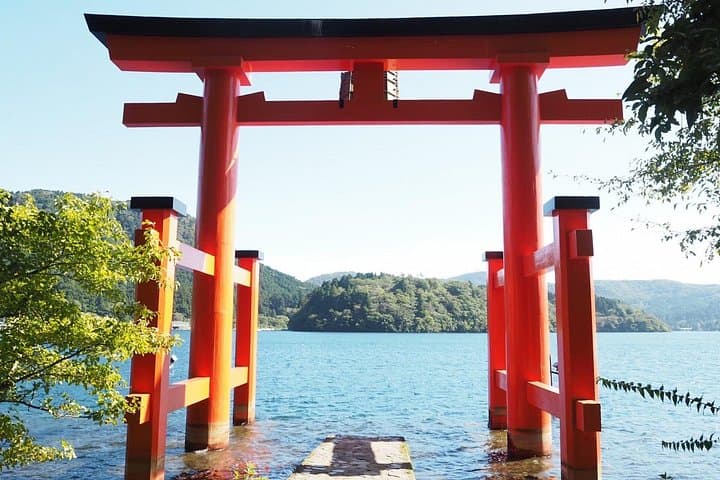
Geology and culture intersect everywhere you look. Owakudani’s sulfur vents are active reminders of the caldera beneath your feet and, on clear mornings, the ropeway frames Mount Fuji like a distant ruler presiding over the basin. Hakone Shrine’s torii — one standing in the lake — offers a photographic counterpoint to the rawness of the volcanic valley. Local guides here are licensed interpreters: they don’t just point, they explain how the steam shaped settlement, how roads once funneled traffic through these narrows, and why eating a blackened onsen egg became a local ritual.
Practical edge: this is a full day — expect roughly 8–9 hours of sightseeing and transit. Much of the tour uses public transport and short walks: expect steps at shrines and boardings on and off trains, cable cars and the pirate boat. Weather matters — Owakudani’s access and views of Fuji are both weather-dependent — so flexibility in the schedule is normal. Dress in layers, bring a windproof shell for the ropeway, and carry small cash for snacks at lakeside stalls and shrine offerings. If you’re sensitive to volcanic sulfur, bring a mask; if hot springs appeal, ask the guide about a post-tour onsen option but note the tour’s standard itinerary focuses on transport and sites rather than a long soak.
For photographers, target morning or late afternoon for low-angle light on the torii and ropeway panoramas. For comfort, wear stable walking shoes and keep a small daypack — the day moves fast and the region rewards curiosity and reasonable preparation.
The licensed guide will meet you in your hotel lobby holding a welcome board with your name; confirm pickup details when booking.
No — Fuji visibility depends on weather and cloud cover; winter mornings and clear days give the best chances.
Hot-spring entry is not included in the standard day itinerary but can often be added as an option — ask when booking.
Yes — the itinerary accommodates families; infant seats are available and short walks suit children, but notify the operator of very young children.
The tour uses public transport and involves stairs and transfers; it’s not fully wheelchair-accessible — contact the operator to discuss needs before booking.
Bring a mask and mention sensitivities when booking; guides can adjust time spent in fumarole zones if conditions allow.
MY Travel Consulting operates guided outdoor trips and adventures with an emphasis on safety, stewardship, and memorable experiences.
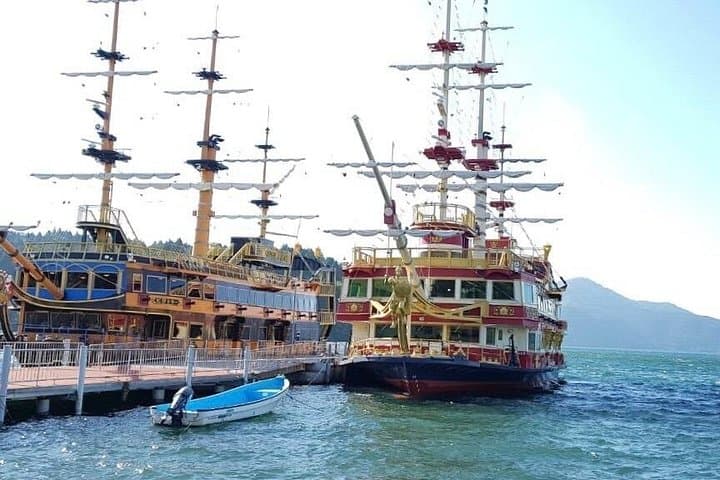
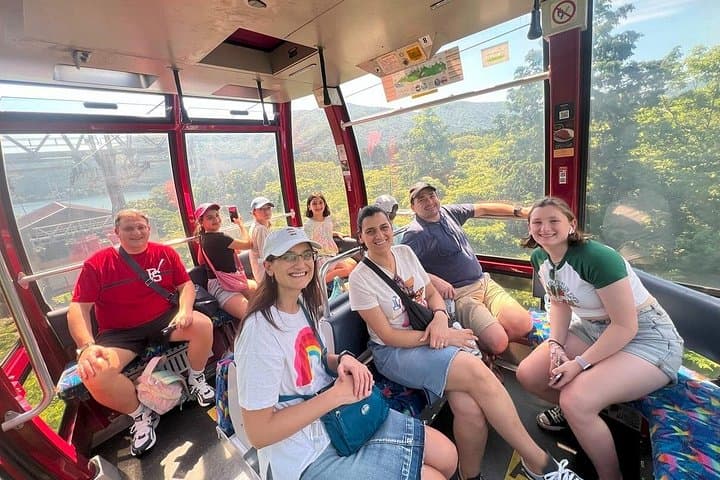
You step off the shinkansen and the air changes: the city hum recedes and cedar-scented wind pushes across the platform. In less than an hour from Tokyo the guide leads you through a choreography of local trains, the rattling mountain train and a ropeway that climbs above a smoking valley. The day unfolds by design — cable car, Hakone Tozan railway, a pirate-ship crossing of Lake Ashi, and a walk under the great red torii of Hakone Shrine — but it’s the small moments that stick: sulfur drifting like a living thing from Owakudani, the ferry’s bow cutting open a mirror of mountains, and a forest path that makes the modern world feel distant.
You step off the shinkansen and the air changes: the city hum recedes and cedar-scented wind pushes across the platform. In less than an hour from Tokyo the guide leads you through a choreography of local trains, the rattling mountain train and a ropeway that climbs above a smoking valley. The day unfolds by design — cable car, Hakone Tozan railway, a pirate-ship crossing of Lake Ashi, and a walk under the great red torii of Hakone Shrine — but it’s the small moments that stick: sulfur drifting like a living thing from Owakudani, the ferry’s bow cutting open a mirror of mountains, and a forest path that makes the modern world feel distant.
Hakone sits in the scar of an eruption roughly 3,000 years ago; Lake Ashi is the crater left behind, and the landscape still carries that volcanic script. Centuries later the Tōkaidō road turned Hakone into a strategic waypoint where travelers paused at the Hakone Checkpoint; today the region reads as both natural laboratory and cultural waypoint — shrines, hot-spring inns, and modern museums coexist with fumaroles and steaming pools.
Geology and culture intersect everywhere you look. Owakudani’s sulfur vents are active reminders of the caldera beneath your feet and, on clear mornings, the ropeway frames Mount Fuji like a distant ruler presiding over the basin. Hakone Shrine’s torii — one standing in the lake — offers a photographic counterpoint to the rawness of the volcanic valley. Local guides here are licensed interpreters: they don’t just point, they explain how the steam shaped settlement, how roads once funneled traffic through these narrows, and why eating a blackened onsen egg became a local ritual.
Practical edge: this is a full day — expect roughly 8–9 hours of sightseeing and transit. Much of the tour uses public transport and short walks: expect steps at shrines and boardings on and off trains, cable cars and the pirate boat. Weather matters — Owakudani’s access and views of Fuji are both weather-dependent — so flexibility in the schedule is normal. Dress in layers, bring a windproof shell for the ropeway, and carry small cash for snacks at lakeside stalls and shrine offerings. If you’re sensitive to volcanic sulfur, bring a mask; if hot springs appeal, ask the guide about a post-tour onsen option but note the tour’s standard itinerary focuses on transport and sites rather than a long soak.
For photographers, target morning or late afternoon for low-angle light on the torii and ropeway panoramas. For comfort, wear stable walking shoes and keep a small daypack — the day moves fast and the region rewards curiosity and reasonable preparation.