THE ADVENTURE COLLECTIVE® · Independent discovery and booking for outdoor travel

Escape Cairo for a day to walk among petrified trunks and visit Pharaonic and Roman ruins around Lake Qarun. This six-hour trip blends geology, archaeology and easy desert walking—perfect for travelers seeking a hands-on history break.
Escape Cairo for a day to walk among petrified trunks and visit Pharaonic and Roman ruins around Lake Qarun. This six-hour trip blends geology, archaeology and easy desert walking—perfect for travelers seeking a hands-on history break.
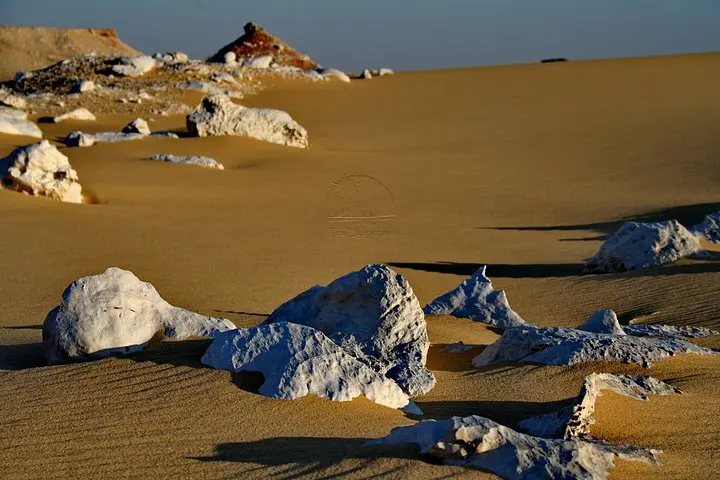
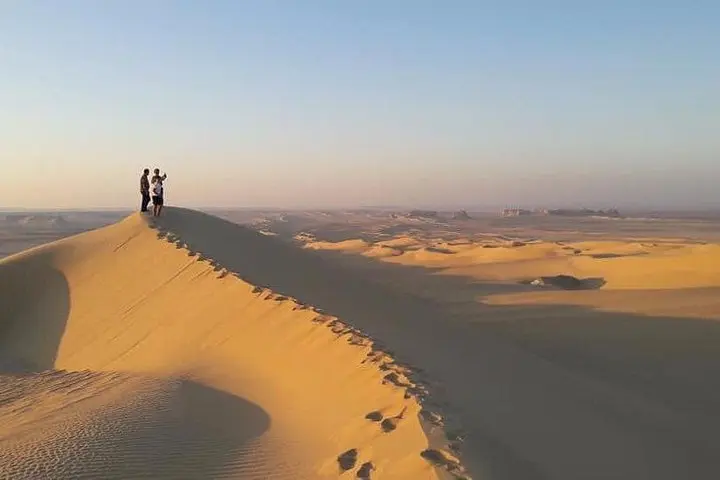
By mid-morning the desert opens like a pale book: low ridges, salt flats near Birket Qarun, and fossilized trunks half-buried in sand. The air here feels thinner than Cairo’s bustle—wind pushes at you, the sun tests your hat, and ancient wood lies like a map of climates long past.
Verified experiences and guided adventures in the surrounding area.
Operated by Dabuka · Faiyum, Faiyum Governorate
By mid-morning the desert opens like a pale book: low ridges, salt flats near Birket Qarun, and fossilized trunks half-buried in sand. The air here feels thinner than Cairo’s bustle—wind pushes at you, the sun tests your hat, and ancient wood lies like a map of climates long past.
The Jebel Qatrani area is part of the Fayoum Depression and contains petrified wood and vertebrate fossils deposited during the late Eocene to Oligocene—an epoch when rivers and lush floodplains once ran where salt flats now glint. Nearby Qasr el-Sagha is a modest Pharaonic temple that speaks to the region’s agricultural importance, while the Roman-era ruins of Dimeh (Soknopaiou Nesos) mark a later chapter of occupation and trade.
On a typical day trip you’ll spend roughly two hours walking among exposed petrified logs and fossil fragments, followed by a cooked lunch and a longer stop at Qasr el-Sagha and Dimeh. The terrain is sandy and rocky with short, uneven trails—firm shoes and sun protection matter more than technical gear.
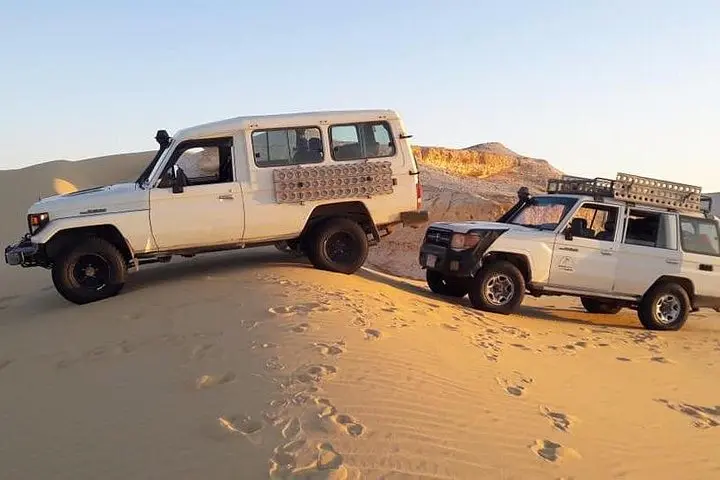
Practical tip: the tour runs as a six-hour loop from Cairo with private transport, bottled water and lunch provided. Expect bright sun, dusty wind, and few facilities at the fossil site; carry extra water, a hat, and a small first-aid kit. Respect the site—collecting fossils is prohibited and erosion-sensitive features should not be disturbed. For a clear, comfortable visit, plan departures early in the day and aim for spring or fall when temperatures are milder.
The outing is about six hours round-trip from Cairo and typically includes private transport, a BBQ or vegetarian lunch, bottled water and coffee/tea.
Walking is light to moderate—short, uneven trails through desert and around fossil exposures; no steep climbs or technical sections.
No — removing fossils is prohibited; visitors should only photograph finds to protect the site.
The tour is family-friendly and physically easy, but operators advise against participation for pregnant travelers due to remote conditions and vehicle travel.
Dabuka operates guided outdoor trips and adventures with an emphasis on safety, stewardship, and memorable experiences.
By mid-morning the desert opens like a pale book: low ridges, salt flats near Birket Qarun, and fossilized trunks half-buried in sand. The air here feels thinner than Cairo’s bustle—wind pushes at you, the sun tests your hat, and ancient wood lies like a map of climates long past.
By mid-morning the desert opens like a pale book: low ridges, salt flats near Birket Qarun, and fossilized trunks half-buried in sand. The air here feels thinner than Cairo’s bustle—wind pushes at you, the sun tests your hat, and ancient wood lies like a map of climates long past.
The Jebel Qatrani area is part of the Fayoum Depression and contains petrified wood and vertebrate fossils deposited during the late Eocene to Oligocene—an epoch when rivers and lush floodplains once ran where salt flats now glint. Nearby Qasr el-Sagha is a modest Pharaonic temple that speaks to the region’s agricultural importance, while the Roman-era ruins of Dimeh (Soknopaiou Nesos) mark a later chapter of occupation and trade.
On a typical day trip you’ll spend roughly two hours walking among exposed petrified logs and fossil fragments, followed by a cooked lunch and a longer stop at Qasr el-Sagha and Dimeh. The terrain is sandy and rocky with short, uneven trails—firm shoes and sun protection matter more than technical gear.
Practical tip: the tour runs as a six-hour loop from Cairo with private transport, bottled water and lunch provided. Expect bright sun, dusty wind, and few facilities at the fossil site; carry extra water, a hat, and a small first-aid kit. Respect the site—collecting fossils is prohibited and erosion-sensitive features should not be disturbed. For a clear, comfortable visit, plan departures early in the day and aim for spring or fall when temperatures are milder.