THE ADVENTURE COLLECTIVE® · Independent discovery and booking for outdoor travel

A full-day private drive from Dharamshala takes you to Kangra’s carved Masroor Rock Temples, the hilltop Kangra Fort and the Mata Brajeshwari Temple—mixing geology, dynasty history and living local culture in one manageable outing.
A full-day private drive from Dharamshala takes you to Kangra’s carved Masroor Rock Temples, the hilltop Kangra Fort and the Mata Brajeshwari Temple—mixing geology, dynasty history and living local culture in one manageable outing.
A low morning sun picks out the serrated edge of the Dhauladhar as a private vehicle pulls away from Dharamshala and threads down toward the Kangra valley. The road narrows, tea stalls appear, and by the time the ruined silhouette of Kangra Fort comes into view, the town’s rivers—the Majhi, Banganga and Bener—have already started to claim their place in the landscape, pushing cool air through the lanes.
Verified experiences and guided adventures in the surrounding area.
Operated by SITA World Tours · Kangra, Himachal Pradesh
A low morning sun picks out the serrated edge of the Dhauladhar as a private vehicle pulls away from Dharamshala and threads down toward the Kangra valley. The road narrows, tea stalls appear, and by the time the ruined silhouette of Kangra Fort comes into view, the town’s rivers—the Majhi, Banganga and Bener—have already started to claim their place in the landscape, pushing cool air through the lanes.
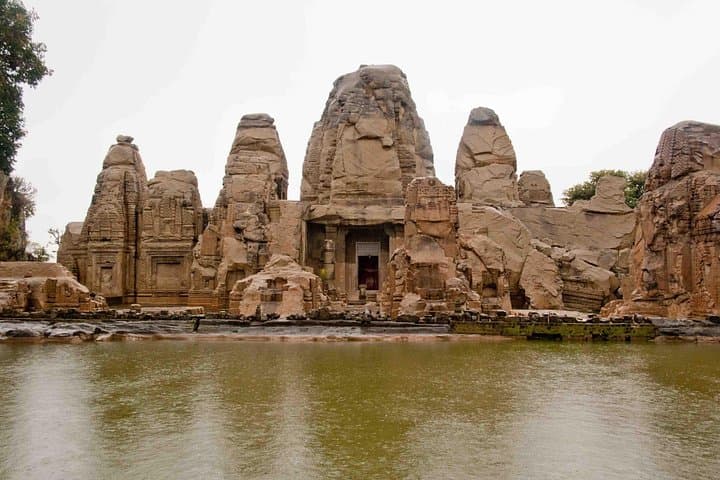
Kangra’s story is visible in stone: the Katoch dynasty built the fort to control fertile plains and river crossings; Masroor’s rock-cut temples are an 8th-century statement in monolith, carved from a single plate of volcanic rock and framed by a man-made pond. The Mata Brajeshwari Temple, rebuilt after an early 20th-century earthquake, connects local devotion to tales from the Mahabharata. Geologically the region sits at the foothills of the Dhauladhar, where folded sedimentary layers rise abruptly into snow-fed ridgelines.
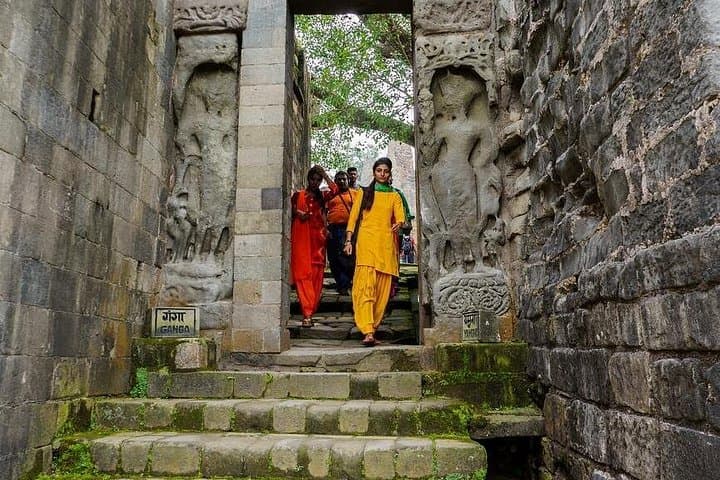
Expect a mix of short uphill walks, stairs through ruins, and periods of standing while a guide explains carvings and legends. Cultural etiquette matters: cover knees and shoulders at temples, remove shoes where requested, and carry small currency for market stalls.
Practical tips: the full loop takes about 7 hours with hotel pickup and drop-off; wear comfortable walking shoes for uneven stone and light hiking; bring a sun layer, hat, and at least 1 liter of water—two bottles are typically provided. Finish the day with a stroll through the local bazaar to sample Kangra tea and handicrafts before the short drive back to Dharamshala.
The tour runs about 7 hours including hotel pick-up and drop-off, with roughly one hour at Masroor and three hours covering the fort, temple and market stops.
Admission to Kangra Fort is typically included in organized tours, but verify with your operator; your itinerary notes admission for the fort is included.
Children must be accompanied by an adult; participants should have moderate fitness. Not recommended for travelers with serious back or heart conditions or for pregnant visitors.
No shorts or sleeveless tops—both knees and shoulders should be covered for men and women to enter most temples.
SITA World Tours operates guided outdoor trips and adventures with an emphasis on safety, stewardship, and memorable experiences.


A low morning sun picks out the serrated edge of the Dhauladhar as a private vehicle pulls away from Dharamshala and threads down toward the Kangra valley. The road narrows, tea stalls appear, and by the time the ruined silhouette of Kangra Fort comes into view, the town’s rivers—the Majhi, Banganga and Bener—have already started to claim their place in the landscape, pushing cool air through the lanes.
A low morning sun picks out the serrated edge of the Dhauladhar as a private vehicle pulls away from Dharamshala and threads down toward the Kangra valley. The road narrows, tea stalls appear, and by the time the ruined silhouette of Kangra Fort comes into view, the town’s rivers—the Majhi, Banganga and Bener—have already started to claim their place in the landscape, pushing cool air through the lanes.
Kangra’s story is visible in stone: the Katoch dynasty built the fort to control fertile plains and river crossings; Masroor’s rock-cut temples are an 8th-century statement in monolith, carved from a single plate of volcanic rock and framed by a man-made pond. The Mata Brajeshwari Temple, rebuilt after an early 20th-century earthquake, connects local devotion to tales from the Mahabharata. Geologically the region sits at the foothills of the Dhauladhar, where folded sedimentary layers rise abruptly into snow-fed ridgelines.
Expect a mix of short uphill walks, stairs through ruins, and periods of standing while a guide explains carvings and legends. Cultural etiquette matters: cover knees and shoulders at temples, remove shoes where requested, and carry small currency for market stalls.
Practical tips: the full loop takes about 7 hours with hotel pickup and drop-off; wear comfortable walking shoes for uneven stone and light hiking; bring a sun layer, hat, and at least 1 liter of water—two bottles are typically provided. Finish the day with a stroll through the local bazaar to sample Kangra tea and handicrafts before the short drive back to Dharamshala.