THE ADVENTURE COLLECTIVE® · Independent discovery and booking for outdoor travel

Cross from Tirana into Montenegro for a private full-day spin through Kotor’s medieval lanes and Budva’s coastal citadel. Expect steep stone steps, UNESCO-listed views, and curated stops at Sveti Stefan and St. Tryphon Cathedral.
Cross from Tirana into Montenegro for a private full-day spin through Kotor’s medieval lanes and Budva’s coastal citadel. Expect steep stone steps, UNESCO-listed views, and curated stops at Sveti Stefan and St. Tryphon Cathedral.
You leave Tirana before dawn and the road unfurls northward—flat tradelands give way to river plains, then a serrated coastline that pushes you toward the Bay of Kotor. The Buna River marks the border; its current seems to dare you into Montenegro, where limestone hills rise like folded maps around a fjord-like inlet.
Verified experiences and guided adventures in the surrounding area.
Operated by taxiGo Limo Airport Service · Kotor, Kotor Municipality
You leave Tirana before dawn and the road unfurls northward—flat tradelands give way to river plains, then a serrated coastline that pushes you toward the Bay of Kotor. The Buna River marks the border; its current seems to dare you into Montenegro, where limestone hills rise like folded maps around a fjord-like inlet.
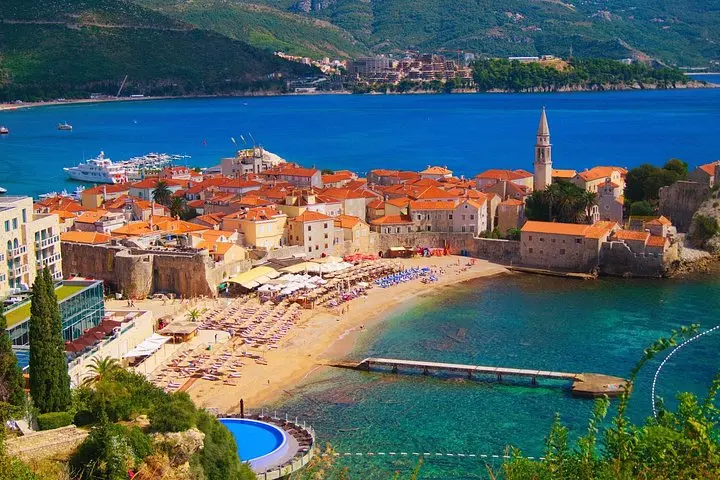
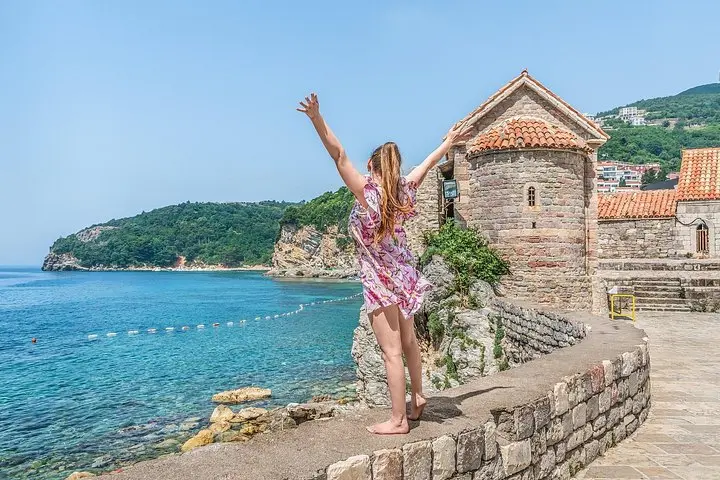
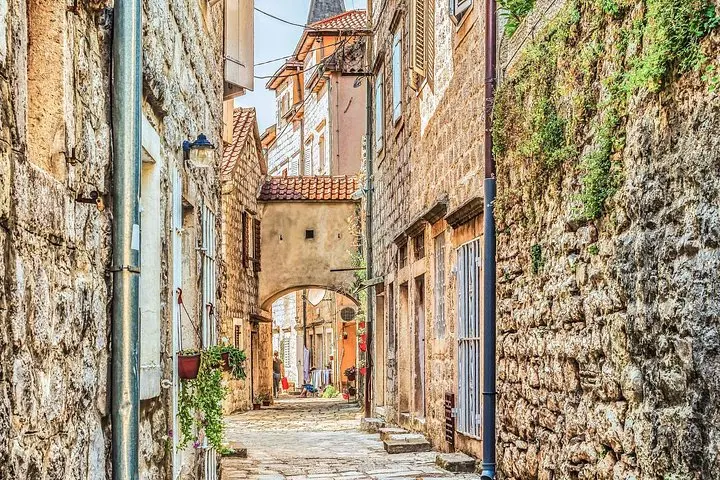
Kotor and Budva are chapters of Adriatic history. Kotor’s Old Town grew from Illyrian and Roman roots and wears Venetian stonework like armor: narrow alleys, sea gates, and St. Tryphon’s 12th-century façade. Above, the climb to St. John Fortress gains roughly 250–300 m over about 1.5 km—expect steep stone steps and a 30–45 minute ascent rewarded by sweepingly geometric views of the bay. Budva reads differently: a 2,600-year urban shoreline with Roman ruins, a compact citadel, and pebbled coves along the Riviera. Sveti Stefan punctuates the coast—private now, historically a 15th-century fortified fishing village.
Practical edge: border checks and passport control are standard—carry ID and time for short queues. Cobblestones and steps are part of the visit; comfortable, grippy footwear and water matter more than style. The full day runs about nine hours with 3–4 hours total driving; expect air-conditioned transport, guided narration, and a mix of walking tours and short photo stops. Bring cash for small purchases, allow extra time for the Fortress climb, and plan photography windows at the marina and Budva fortress. This is a scenery-first day of coastal hills, human history, and brisk stair climbs that reward you with both panorama and quiet old streets.
Yes — crossing into Montenegro requires a valid passport or national ID depending on your nationality; keep it accessible during the border check.
Expect several short walking tours in Old Town Kotor and Budva plus a steep 30–45 minute ascent to St. John Fortress; total walking is moderate.
Lunch and personal purchases are not included; the itinerary includes a free hour in Budva for lunch or shopping.
Sveti Stefan is primarily a private resort now; you can stop for photos nearby but general public access to the islet is restricted.
taxiGo Limo Airport Service operates guided outdoor trips and adventures with an emphasis on safety, stewardship, and memorable experiences.

You leave Tirana before dawn and the road unfurls northward—flat tradelands give way to river plains, then a serrated coastline that pushes you toward the Bay of Kotor. The Buna River marks the border; its current seems to dare you into Montenegro, where limestone hills rise like folded maps around a fjord-like inlet.
You leave Tirana before dawn and the road unfurls northward—flat tradelands give way to river plains, then a serrated coastline that pushes you toward the Bay of Kotor. The Buna River marks the border; its current seems to dare you into Montenegro, where limestone hills rise like folded maps around a fjord-like inlet.
Kotor and Budva are chapters of Adriatic history. Kotor’s Old Town grew from Illyrian and Roman roots and wears Venetian stonework like armor: narrow alleys, sea gates, and St. Tryphon’s 12th-century façade. Above, the climb to St. John Fortress gains roughly 250–300 m over about 1.5 km—expect steep stone steps and a 30–45 minute ascent rewarded by sweepingly geometric views of the bay. Budva reads differently: a 2,600-year urban shoreline with Roman ruins, a compact citadel, and pebbled coves along the Riviera. Sveti Stefan punctuates the coast—private now, historically a 15th-century fortified fishing village.
Practical edge: border checks and passport control are standard—carry ID and time for short queues. Cobblestones and steps are part of the visit; comfortable, grippy footwear and water matter more than style. The full day runs about nine hours with 3–4 hours total driving; expect air-conditioned transport, guided narration, and a mix of walking tours and short photo stops. Bring cash for small purchases, allow extra time for the Fortress climb, and plan photography windows at the marina and Budva fortress. This is a scenery-first day of coastal hills, human history, and brisk stair climbs that reward you with both panorama and quiet old streets.