THE ADVENTURE COLLECTIVE® · Independent discovery and booking for outdoor travel

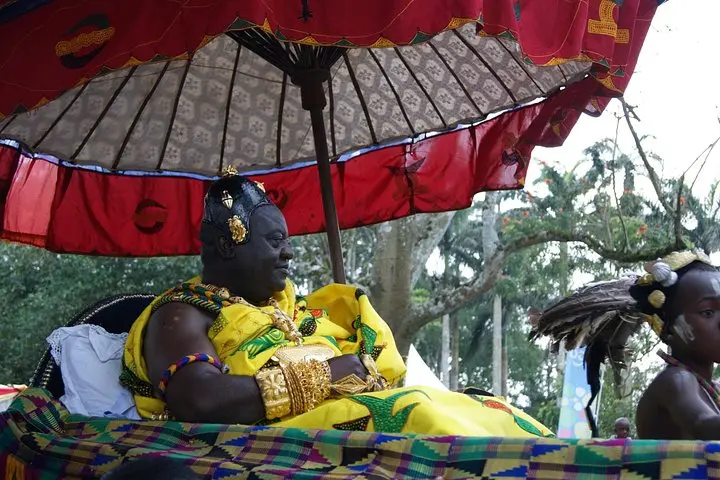
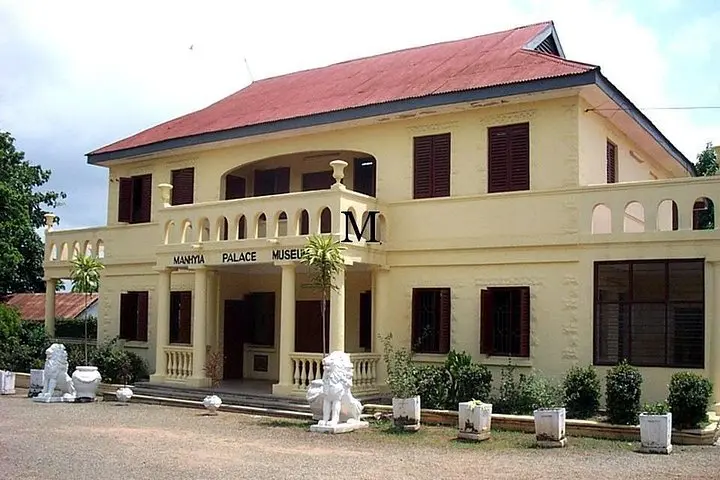
Make a long but rewarding push from Accra to Kumasi in a single day to stand before the Manhyia Palace, see Ashanti regalia, and visit sites tied to the 1900 Yaa Asantewaa resistance. Expect 8–10 hours on the road and focused, guided cultural touring.
Make a long but rewarding push from Accra to Kumasi in a single day to stand before the Manhyia Palace, see Ashanti regalia, and visit sites tied to the 1900 Yaa Asantewaa resistance. Expect 8–10 hours on the road and focused, guided cultural touring.
You step off the highway as the city opens: broad streets give way to a denser grid, carved avenues lined with market stalls and the green edge of tropical forest pressing close. The air carries wood smoke and the sharp tang of plantain frying; the road that dares you from Accra arrives four hours later in Kumasi, the beating heart of Ashanti culture.
Verified experiences and guided adventures in the surrounding area.
Operated by Pridor Plus Tours · Kumasi, Ashanti Region
You step off the highway as the city opens: broad streets give way to a denser grid, carved avenues lined with market stalls and the green edge of tropical forest pressing close. The air carries wood smoke and the sharp tang of plantain frying; the road that dares you from Accra arrives four hours later in Kumasi, the beating heart of Ashanti culture.
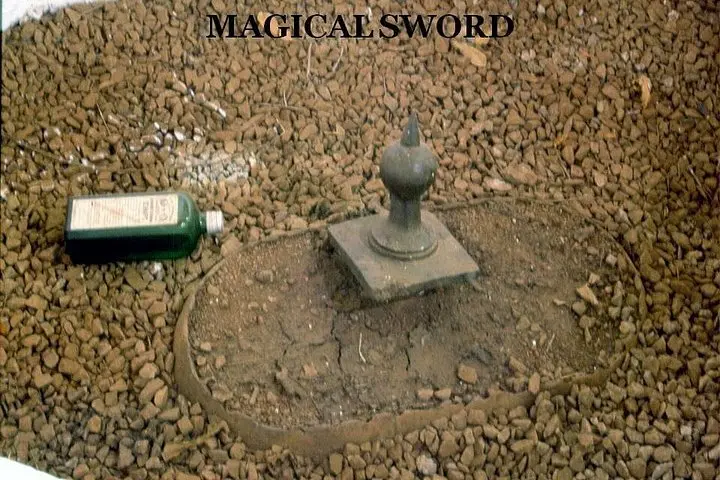
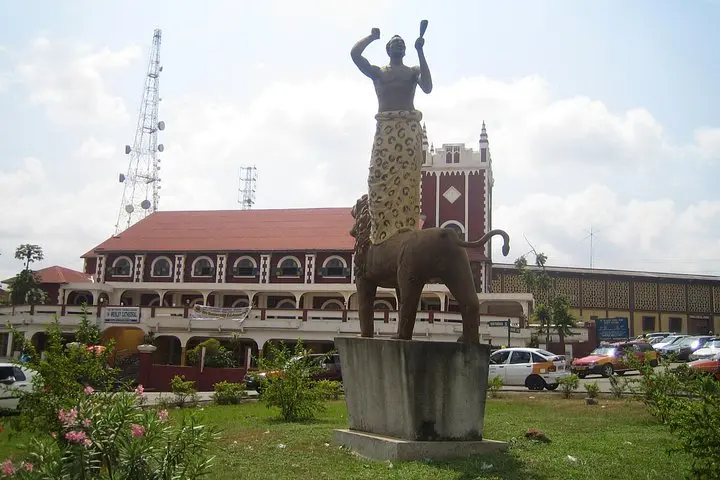
Kumasi grew from the Ashanti Empire, a polity that shaped West Africa for centuries. Here the Manhyia Palace Museum collects royal regalia and oral histories; the Golden Stool is the spiritual core of Ashanti identity, and nearby sites recall the 1900 Yaa Asantewaa conflict with colonial forces. Geologically the region sits on rolling Precambrian terrain, shallow soils over ancient rock, where rivers cut gentle valleys and the landscape supports semi-deciduous forest and market gardens.
Culturally, Kumasi is alive—kente weavers in Bonwire, the organized chaos of Kejetia Market, drumming that marks time between ceremonies. Expect guided tours of museums and historic compounds, short walks across uneven courtyards and market lanes, and conversations with guides about lineage and symbolism.
Practically: start before dawn to beat Accra traffic, carry 2–3 liters of water, wear breathable walking shoes and sun protection, and bring cash for small purchases. Respect local protocol at shrines and royal sites (ask before photographing sacred objects). The day is long—plan for 14–16 hours including travel and factor in roadside stops. With the right preparation, a single day delivers a concentrated, transportive immersion into Ashanti history and living culture.
Expect roughly 4–5 hours each way by private vehicle depending on traffic and stops, making the full day 14–16 hours including touring time.
This itinerary lists admissions as included for key sites like the Manhyia Palace Museum and specified historical spots; confirm with your operator for any optional sites.
The tour accepts families and can provide infant seats, but long travel hours and busy markets may be tiring for very young children.
Visitors should follow Ghana entry and vaccination guidance—carry required travel documents and check current health recommendations before travel.
Pridor Plus Tours operates guided outdoor trips and adventures with an emphasis on safety, stewardship, and memorable experiences.
You step off the highway as the city opens: broad streets give way to a denser grid, carved avenues lined with market stalls and the green edge of tropical forest pressing close. The air carries wood smoke and the sharp tang of plantain frying; the road that dares you from Accra arrives four hours later in Kumasi, the beating heart of Ashanti culture.
You step off the highway as the city opens: broad streets give way to a denser grid, carved avenues lined with market stalls and the green edge of tropical forest pressing close. The air carries wood smoke and the sharp tang of plantain frying; the road that dares you from Accra arrives four hours later in Kumasi, the beating heart of Ashanti culture.
Kumasi grew from the Ashanti Empire, a polity that shaped West Africa for centuries. Here the Manhyia Palace Museum collects royal regalia and oral histories; the Golden Stool is the spiritual core of Ashanti identity, and nearby sites recall the 1900 Yaa Asantewaa conflict with colonial forces. Geologically the region sits on rolling Precambrian terrain, shallow soils over ancient rock, where rivers cut gentle valleys and the landscape supports semi-deciduous forest and market gardens.
Culturally, Kumasi is alive—kente weavers in Bonwire, the organized chaos of Kejetia Market, drumming that marks time between ceremonies. Expect guided tours of museums and historic compounds, short walks across uneven courtyards and market lanes, and conversations with guides about lineage and symbolism.
Practically: start before dawn to beat Accra traffic, carry 2–3 liters of water, wear breathable walking shoes and sun protection, and bring cash for small purchases. Respect local protocol at shrines and royal sites (ask before photographing sacred objects). The day is long—plan for 14–16 hours including travel and factor in roadside stops. With the right preparation, a single day delivers a concentrated, transportive immersion into Ashanti history and living culture.