THE ADVENTURE COLLECTIVE® · Independent discovery and booking for outdoor travel

A full‑day cultural and landscape loop from Hoi An or Da Nang that pairs Marble Mountains’ caverns, the jungle‑wrapped Cham ruins of My Son, and Hoi An’s lanterned riverfront. Expect steep steps, temple etiquette, a local noodle lunch and a short sampan cruise at dusk.
A full‑day cultural and landscape loop from Hoi An or Da Nang that pairs Marble Mountains’ caverns, the jungle‑wrapped Cham ruins of My Son, and Hoi An’s lanterned riverfront. Expect steep steps, temple etiquette, a local noodle lunch and a short sampan cruise at dusk.
The day begins with a cool motorcade through coastal roads as the Marble Mountains loom like stony lungs above the shoreline, sunlight catching the white faces of marble. You climb steps and thread through caverns where monks once carved shrines, then stand at a summit ledge watching the sea breeze push itself inland, carrying the smell of salt and incense.
Verified experiences and guided adventures in the surrounding area.
Operated by Andy Private Tours and Transfers · Hoi An, Quang Nam
The day begins with a cool motorcade through coastal roads as the Marble Mountains loom like stony lungs above the shoreline, sunlight catching the white faces of marble. You climb steps and thread through caverns where monks once carved shrines, then stand at a summit ledge watching the sea breeze push itself inland, carrying the smell of salt and incense.
Geology here is blunt and honest: the Marble Mountains are marble and limestone outcrops formed by ancient marine deposits and uplift, fractured into five named peaks reflecting the elements. My Son, inland and shaded by tropical canopy, delivers a different story — brick towers and sanctuaries of the Champa Kingdom, built from the 4th to 13th centuries with impressive dry-stone techniques and bas-relief carving that speak to a seafaring culture long tied to trade. Hoi An’s waterfront preserves merchant houses and a covered bridge whose timber has quieted with centuries of salt air.
Practical guidance: this is a full 9‑hour day with moderate walking, steep steps and uneven temple paths. Wear grippy shoes and a breathable shirt that covers shoulders for temples. Carry at least 1–2 liters of water, sunscreen and insect repellent. Bring small bills for market stalls and donations at pagodas. Expect guided history stops, a simple local noodle lunch, and a 20‑minute sampan cruise along the Thu Bon River as daylight softens and lanterns begin to glow. Pace yourself: start slow on steep climbs, hydrate before you feel thirsty, and allow time to absorb the ruins rather than rush photo to photo.
Yes—the tour includes entrance tickets to Marble Mountains, My Son and Hoi An points listed in the itinerary.
Expect moderate walking with stair climbs and short trails—plan for up to 2–4 miles on varied surfaces over the day.
The short 20‑minute sampan cruise is family friendly, but those with limited mobility should take care boarding and sitting low in the boat.
The tour provides an English-speaking guide; private guides may offer other languages on request.
Andy Private Tours and Transfers operates guided outdoor trips and adventures with an emphasis on safety, stewardship, and memorable experiences.
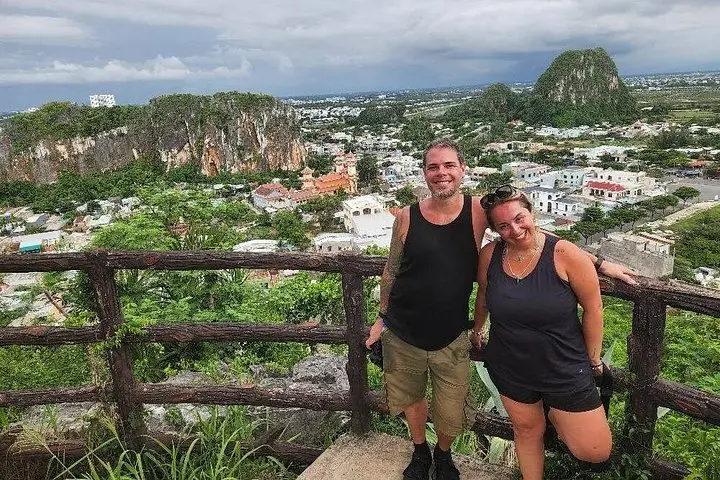
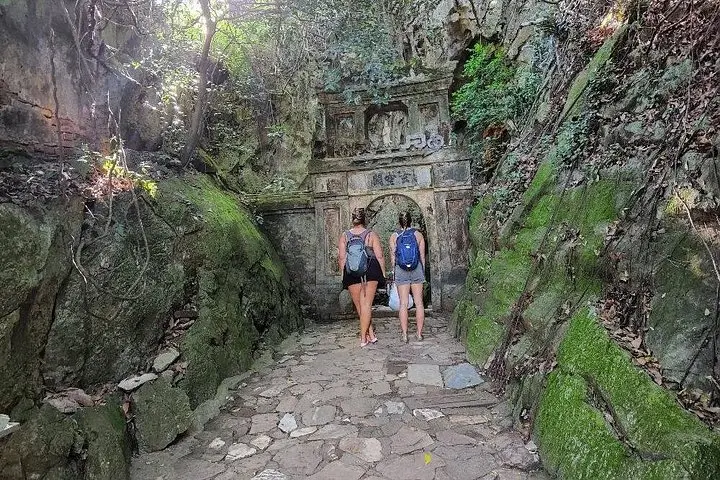
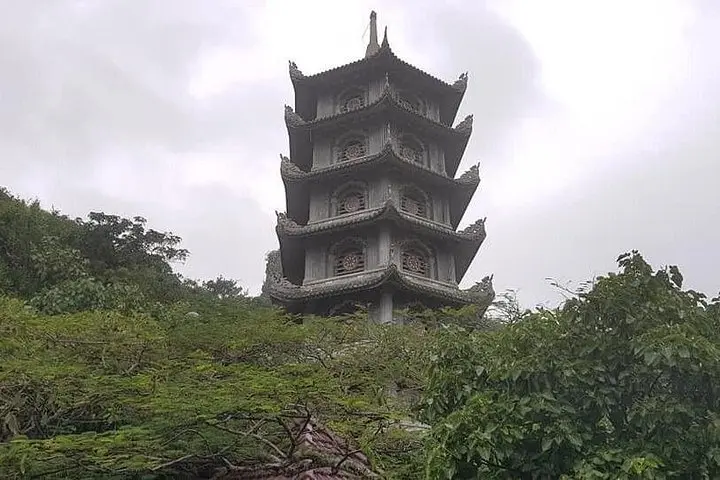
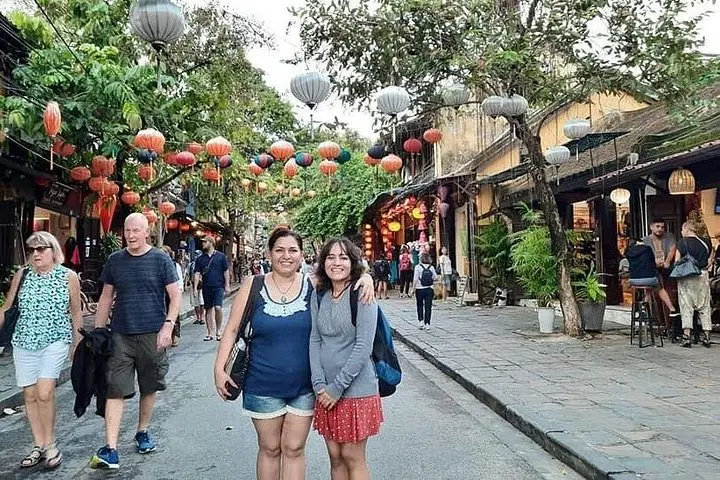
The day begins with a cool motorcade through coastal roads as the Marble Mountains loom like stony lungs above the shoreline, sunlight catching the white faces of marble. You climb steps and thread through caverns where monks once carved shrines, then stand at a summit ledge watching the sea breeze push itself inland, carrying the smell of salt and incense.
The day begins with a cool motorcade through coastal roads as the Marble Mountains loom like stony lungs above the shoreline, sunlight catching the white faces of marble. You climb steps and thread through caverns where monks once carved shrines, then stand at a summit ledge watching the sea breeze push itself inland, carrying the smell of salt and incense.
Geology here is blunt and honest: the Marble Mountains are marble and limestone outcrops formed by ancient marine deposits and uplift, fractured into five named peaks reflecting the elements. My Son, inland and shaded by tropical canopy, delivers a different story — brick towers and sanctuaries of the Champa Kingdom, built from the 4th to 13th centuries with impressive dry-stone techniques and bas-relief carving that speak to a seafaring culture long tied to trade. Hoi An’s waterfront preserves merchant houses and a covered bridge whose timber has quieted with centuries of salt air.
Practical guidance: this is a full 9‑hour day with moderate walking, steep steps and uneven temple paths. Wear grippy shoes and a breathable shirt that covers shoulders for temples. Carry at least 1–2 liters of water, sunscreen and insect repellent. Bring small bills for market stalls and donations at pagodas. Expect guided history stops, a simple local noodle lunch, and a 20‑minute sampan cruise along the Thu Bon River as daylight softens and lanterns begin to glow. Pace yourself: start slow on steep climbs, hydrate before you feel thirsty, and allow time to absorb the ruins rather than rush photo to photo.