THE ADVENTURE COLLECTIVE® · Independent discovery and booking for outdoor travel

Make a full-day bullet-train run from Tokyo to Matsushima Bay to see hundreds of pine-clad isles, classic Zen temples, and fresh oysters. This guided loop pairs short coastal walks with cultural highlights for a compact introduction to one of Japan’s celebrated scenic places.
Make a full-day bullet-train run from Tokyo to Matsushima Bay to see hundreds of pine-clad isles, classic Zen temples, and fresh oysters. This guided loop pairs short coastal walks with cultural highlights for a compact introduction to one of Japan’s celebrated scenic places.
The sea air in Matsushima catches at your cheeks within minutes of stepping off the train — a briny, pine-scented wind that seems to push you toward the water and the low, rocky isles peppering the bay.
Verified experiences and guided adventures in the surrounding area.
Operated by MY Travel Consulting · Matsushima, Miyagi Prefecture
The sea air in Matsushima catches at your cheeks within minutes of stepping off the train — a briny, pine-scented wind that seems to push you toward the water and the low, rocky isles peppering the bay.
On a one-day run from Tokyo you’ll move fast: shinkansen speed to Sendai, a local connection, then a guided loop that highlights the best of Matsushima Bay. The region is famous for roughly 260 clustered islands, many wooded with black pines and carved by millennia of tides. Matsuo Basho wrote of these views in the Edo era, and the area’s temples and gardens — Zuigan-ji’s carved halls and Entsuin’s precise Zen garden — trace human responses to the same coast: defense, devotion, and contemplation.
Geologically, the bay’s small islands are rocky outcrops of marine sediments shaped by uplift and wave action. Culturally, the port’s oyster farms and shrine architecture reflect a community built on sea harvest and seafaring. Expect short walks across timber bridges (Fukuura Bridge) and a slightly hair-raising crossing to Godaido across a narrow, low torii bridge.
Practical notes: this is a full 10-hour day with several on-foot stops — allow comfortable shoes and layered clothing for changing coastal winds. Plan for crowds in peak autumn and Golden Week; bring motion-sickness remedies for rail and boat segments if prone. Reserve tasting time for local oysters and leave a little spare time to stroll Oshima’s quieter lanes. With a licensed guide and public transport included, this trip compresses classic scenery, history and coastal gastronomy into one efficient, memorable day.
Typical total transit is about 2.5–3 hours each way using the shinkansen to Sendai and a local train to Matsushima; this tour schedules a full 10-hour day.
Yes — the tour lists admissions, public transportation fees, and a licensed English-speaking guide as included in the price.
The operator notes stroller accessibility and infant seats, but some bridges and temple steps require care; indicate child seats and special needs when booking.
Yes — the tour can handle vegetarian, vegan, and gluten-free requests if noted at booking; for seafood tasting, mention allergies in advance.
MY Travel Consulting operates guided outdoor trips and adventures with an emphasis on safety, stewardship, and memorable experiences.
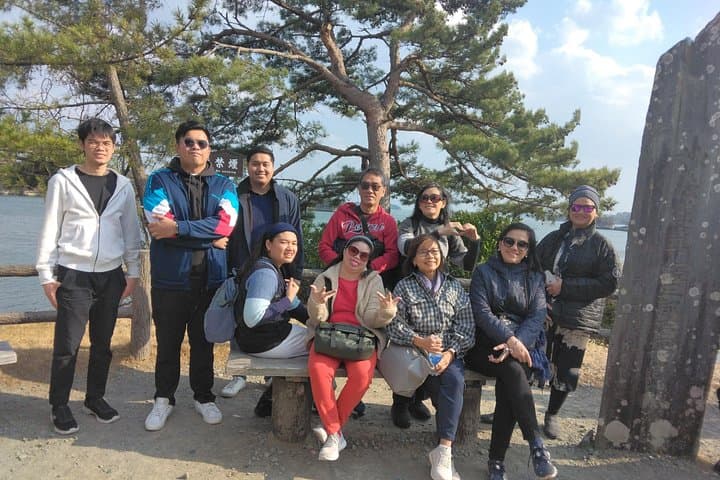
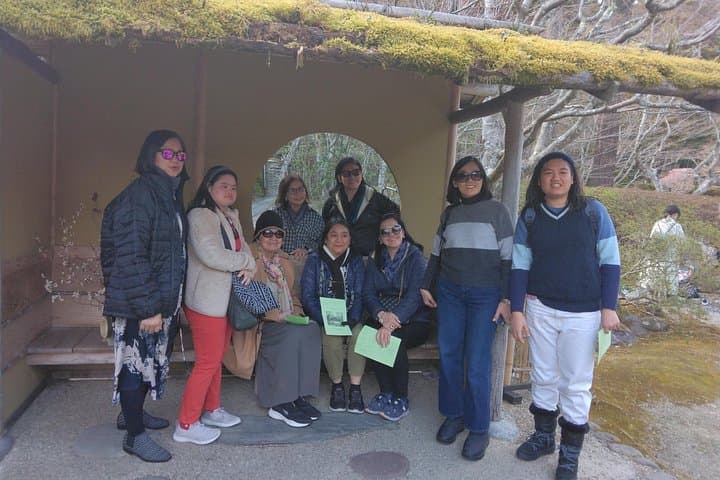
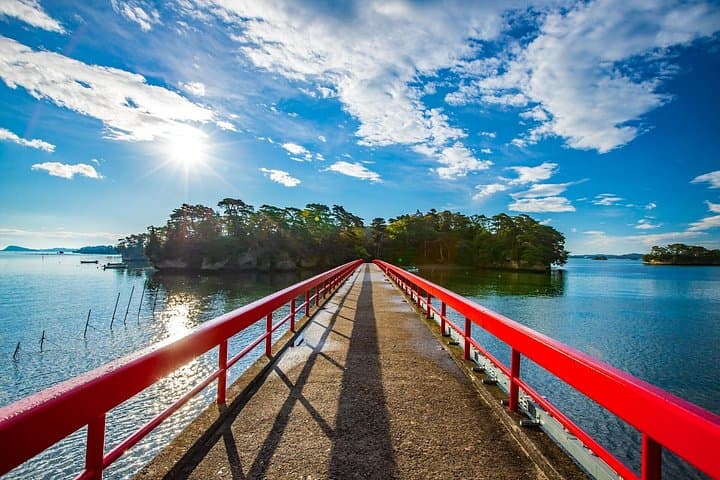
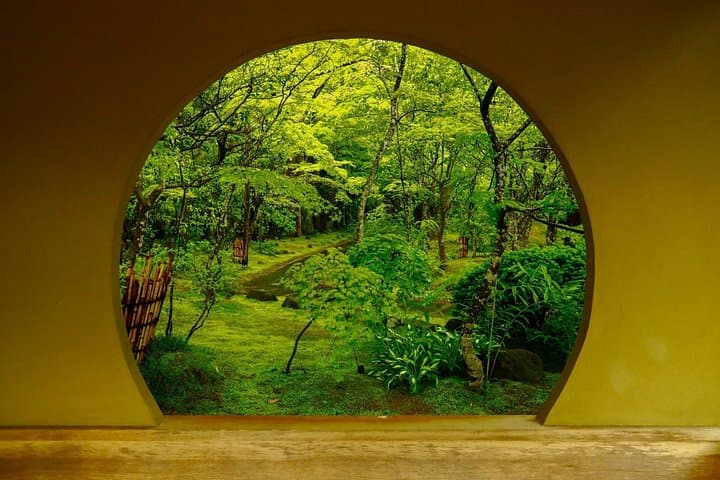
The sea air in Matsushima catches at your cheeks within minutes of stepping off the train — a briny, pine-scented wind that seems to push you toward the water and the low, rocky isles peppering the bay.
The sea air in Matsushima catches at your cheeks within minutes of stepping off the train — a briny, pine-scented wind that seems to push you toward the water and the low, rocky isles peppering the bay.
On a one-day run from Tokyo you’ll move fast: shinkansen speed to Sendai, a local connection, then a guided loop that highlights the best of Matsushima Bay. The region is famous for roughly 260 clustered islands, many wooded with black pines and carved by millennia of tides. Matsuo Basho wrote of these views in the Edo era, and the area’s temples and gardens — Zuigan-ji’s carved halls and Entsuin’s precise Zen garden — trace human responses to the same coast: defense, devotion, and contemplation.
Geologically, the bay’s small islands are rocky outcrops of marine sediments shaped by uplift and wave action. Culturally, the port’s oyster farms and shrine architecture reflect a community built on sea harvest and seafaring. Expect short walks across timber bridges (Fukuura Bridge) and a slightly hair-raising crossing to Godaido across a narrow, low torii bridge.
Practical notes: this is a full 10-hour day with several on-foot stops — allow comfortable shoes and layered clothing for changing coastal winds. Plan for crowds in peak autumn and Golden Week; bring motion-sickness remedies for rail and boat segments if prone. Reserve tasting time for local oysters and leave a little spare time to stroll Oshima’s quieter lanes. With a licensed guide and public transport included, this trip compresses classic scenery, history and coastal gastronomy into one efficient, memorable day.