THE ADVENTURE COLLECTIVE® · Independent discovery and booking for outdoor travel

Set out before sunrise from Dar es Salaam for a full-day safari across Mikumi National Park’s open savannahs. Count on long drives, close encounters with elephants and giraffes, and photo-ready light at dawn and dusk.
Set out before sunrise from Dar es Salaam for a full-day safari across Mikumi National Park’s open savannahs. Count on long drives, close encounters with elephants and giraffes, and photo-ready light at dawn and dusk.
The engine hums before dawn as the road unfurls toward the horizon; headlights pick out acacia silhouettes while the air cools and the promise of wildlife sharpens. By mid-morning the plains open: golden grass interrupted by termite mounds, a scattering of baobabs, and the distant rise of the Uluguru and Rubeho folds that hem Mikumi National Park.
Verified experiences and guided adventures in the surrounding area.
Operated by Safaris Partners · Mikumi, Morogoro Region
The engine hums before dawn as the road unfurls toward the horizon; headlights pick out acacia silhouettes while the air cools and the promise of wildlife sharpens. By mid-morning the plains open: golden grass interrupted by termite mounds, a scattering of baobabs, and the distant rise of the Uluguru and Rubeho folds that hem Mikumi National Park.
Mikumi sits on the southern edge of the Eastern Arc mountains, a 3,230 km² sweep of floodplains, woodlands, and koppies that was set aside for protection in the mid-20th century. Its geography—seasonal wetlands and a ‘little Serengeti’ of open savannah—creates reliable game viewing and concentrates animals during the dry months. Culturally, the park lies within a landscape of small farming communities whose rhythms shift between market days and the park’s tourist season.
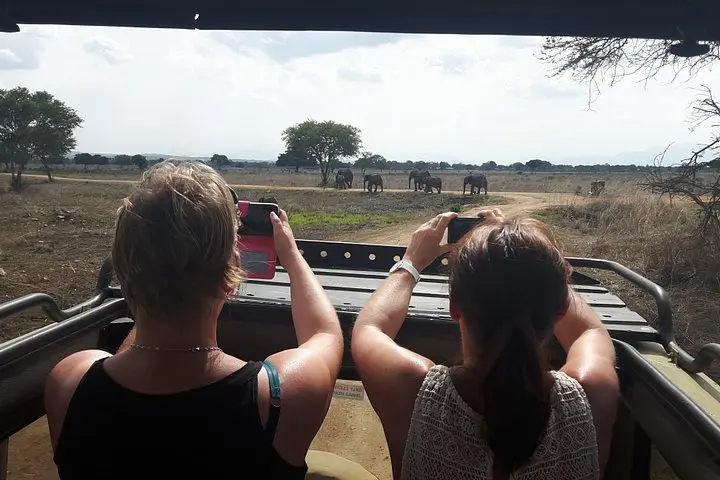
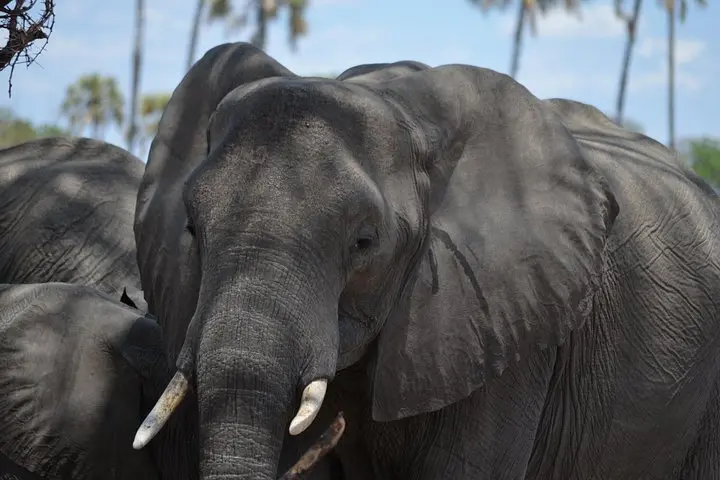
Expect layered contrasts: elephant bulls moving like deliberate ships, giraffes stooping to graze, and zebras ghosting across flats, while hippos wallow in muddy pools that steam under the hot sun. Guides read tracks and interpret river behavior; the landscape itself seems to test your patience and reward it with close encounters.
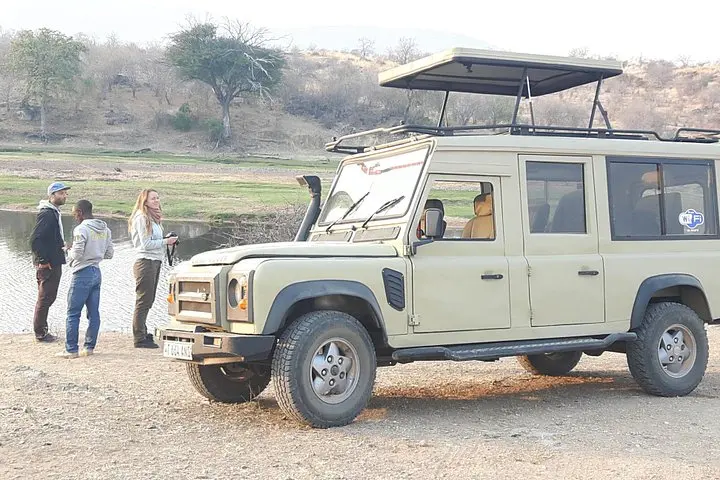
Practical guidance: this is a long day—departure often before 04:00 and return near evening—so bring water, sun protection, and a small daypack. Game drives are on mostly graded roads but can be bumpy; a sturdy camera with a mid-zoom lens is ideal. Respect park rules: stay in the vehicle except at designated stops and keep noise low to improve sightings. If possible, plan travel on a clear day for the best light and animal activity—dawn and late afternoon deliver the richest moments.
Expect a 5–6 hour drive each way depending on traffic and road conditions; total outing is commonly 12–14 hours.
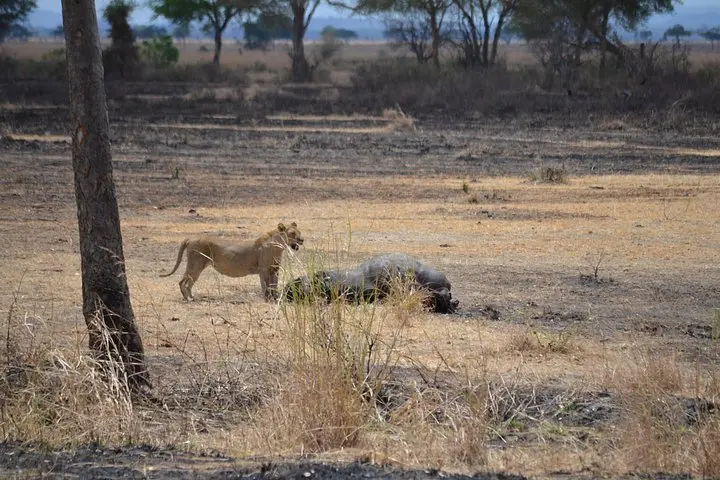
Common sightings include elephants, giraffes, buffalo, zebras, impala, and hippos; lions and leopards are present but less frequently seen on a single day trip.
Yes—operators typically include breakfast and a hot lunch at a park restaurant or picnic spot, plus bottled water.
Yes—most operators accommodate children; infants often must sit on an adult’s lap and specialized seats may be available on request.
Safaris Partners operates guided outdoor trips and adventures with an emphasis on safety, stewardship, and memorable experiences.
The engine hums before dawn as the road unfurls toward the horizon; headlights pick out acacia silhouettes while the air cools and the promise of wildlife sharpens. By mid-morning the plains open: golden grass interrupted by termite mounds, a scattering of baobabs, and the distant rise of the Uluguru and Rubeho folds that hem Mikumi National Park.
The engine hums before dawn as the road unfurls toward the horizon; headlights pick out acacia silhouettes while the air cools and the promise of wildlife sharpens. By mid-morning the plains open: golden grass interrupted by termite mounds, a scattering of baobabs, and the distant rise of the Uluguru and Rubeho folds that hem Mikumi National Park.
Mikumi sits on the southern edge of the Eastern Arc mountains, a 3,230 km² sweep of floodplains, woodlands, and koppies that was set aside for protection in the mid-20th century. Its geography—seasonal wetlands and a ‘little Serengeti’ of open savannah—creates reliable game viewing and concentrates animals during the dry months. Culturally, the park lies within a landscape of small farming communities whose rhythms shift between market days and the park’s tourist season.
Expect layered contrasts: elephant bulls moving like deliberate ships, giraffes stooping to graze, and zebras ghosting across flats, while hippos wallow in muddy pools that steam under the hot sun. Guides read tracks and interpret river behavior; the landscape itself seems to test your patience and reward it with close encounters.
Practical guidance: this is a long day—departure often before 04:00 and return near evening—so bring water, sun protection, and a small daypack. Game drives are on mostly graded roads but can be bumpy; a sturdy camera with a mid-zoom lens is ideal. Respect park rules: stay in the vehicle except at designated stops and keep noise low to improve sightings. If possible, plan travel on a clear day for the best light and animal activity—dawn and late afternoon deliver the richest moments.