THE ADVENTURE COLLECTIVE® · Independent discovery and booking for outdoor travel

Spend a full day tracing medieval stone and tidal sand on a private, skip-the-line tour from Paris to Mont Saint-Michel. This guide covers what you’ll see, how the tides shape the experience, and practical tips to make the most of your visit.
Spend a full day tracing medieval stone and tidal sand on a private, skip-the-line tour from Paris to Mont Saint-Michel. This guide covers what you’ll see, how the tides shape the experience, and practical tips to make the most of your visit.
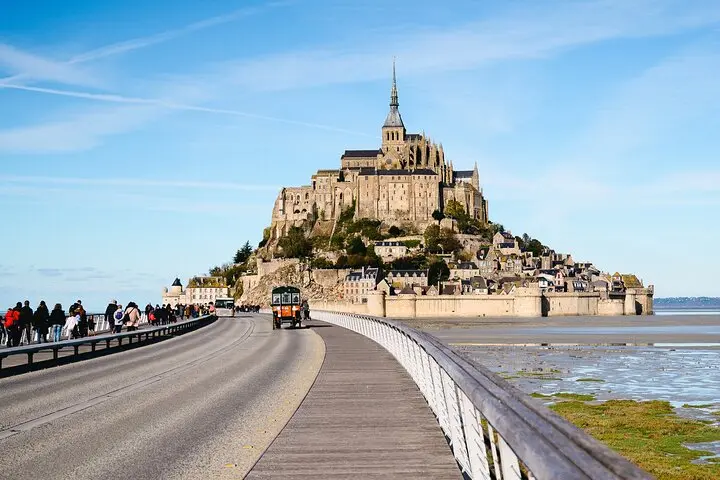
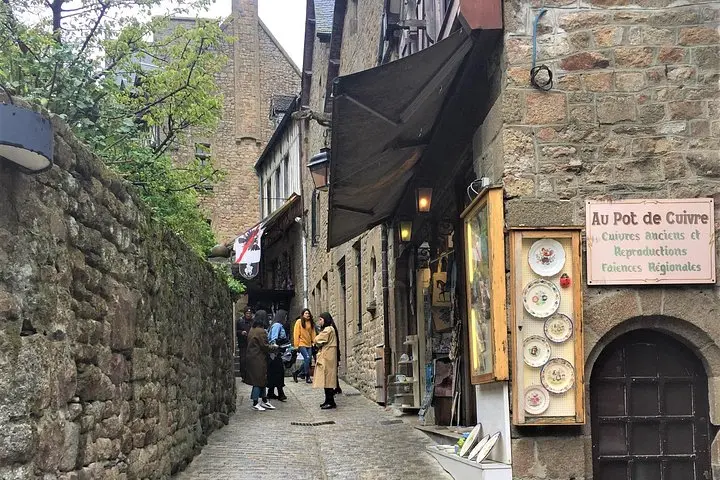
You arrive as the mainland light thins and the bay opens—mudflats stretching toward the rocky crown of Mont Saint-Michel, the abbey sitting like a fortress carved out of time. The Multivan hums away on the causeway; within an hour of arrival you’re stepping onto cobbles that have worn into the island’s steep streets.
Verified experiences and guided adventures in the surrounding area.
Operated by Come & Go Logistics · Mont-Saint-Michel, Normandy
You arrive as the mainland light thins and the bay opens—mudflats stretching toward the rocky crown of Mont Saint-Michel, the abbey sitting like a fortress carved out of time. The Multivan hums away on the causeway; within an hour of arrival you’re stepping onto cobbles that have worn into the island’s steep streets.
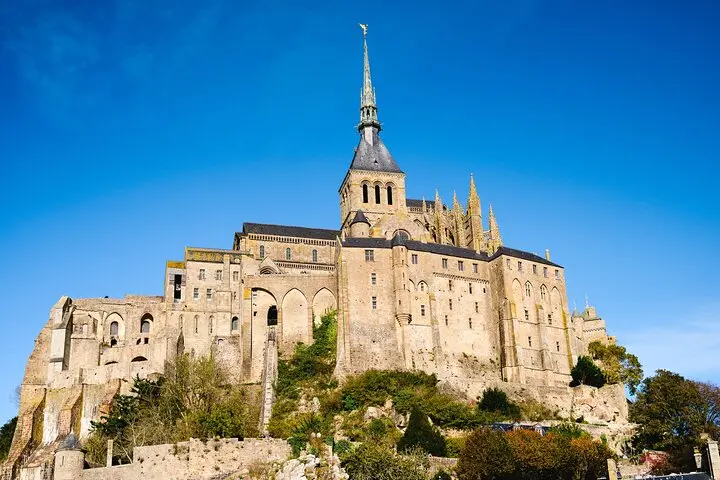
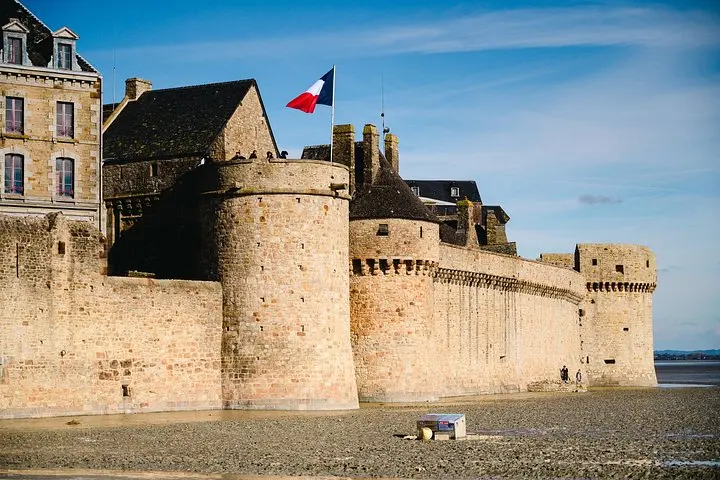
Mont Saint-Michel’s history reads in stone: an 8th-century sanctuary founded after a vision of the archangel Michael, later fortified and used through the Hundred Years’ War, and even repurposed as a prison under Louis XI. Geologically the island is a granite outcrop surrounded by tidal flats that shift with dramatic daily tides—one of Europe’s most extreme tidal ranges—so the island alternates between island and peninsula, demanding respect for timing and terrain.
Culture here blends pilgrim tradition with coastal life: the Abbey’s Romanesque and Gothic spaces feel austere and sacred, while the lower village trades in regional cider, omelettes, and Breton hospitality. Walk the narrow lanes and listen for gulls and the wind’s low push across the bay; the tide will feel like a presence, advancing steadily and reshaping the shoreline.
Practical edge: a private skip-the-line ticket saves hours in high season, but wear sturdy shoes for cobbles and steep staircases, bring layers for sudden coastal wind, and plan your visit around tide tables if you want exposed sand flats or high-water drama. Allow a full day if departing Paris—driving time is roughly 3.5 hours each way when traffic is light—and expect several hours on-site to explore the Abbey and village without rushing.
Driving time to Mont Saint-Michel is roughly 3–3.5 hours one way without heavy traffic; expect a full-day commitment (10–12 hours) including transfers and time on-site.
Skip-the-line tickets give priority Abbey admission but you may still encounter short waits for security checks or in narrow streets during peak season.
Walking the flats is possible but should be done with a local guide who knows safe routes and timing—tides are fast and the flats have soft, dangerous silt.
The village and Abbey have many steps and steep slopes; some areas are accessible from the mainland causeway but full Abbey access is limited for those with significant mobility issues.
Come & Go Logistics operates guided outdoor trips and adventures with an emphasis on safety, stewardship, and memorable experiences.
You arrive as the mainland light thins and the bay opens—mudflats stretching toward the rocky crown of Mont Saint-Michel, the abbey sitting like a fortress carved out of time. The Multivan hums away on the causeway; within an hour of arrival you’re stepping onto cobbles that have worn into the island’s steep streets.
You arrive as the mainland light thins and the bay opens—mudflats stretching toward the rocky crown of Mont Saint-Michel, the abbey sitting like a fortress carved out of time. The Multivan hums away on the causeway; within an hour of arrival you’re stepping onto cobbles that have worn into the island’s steep streets.
Mont Saint-Michel’s history reads in stone: an 8th-century sanctuary founded after a vision of the archangel Michael, later fortified and used through the Hundred Years’ War, and even repurposed as a prison under Louis XI. Geologically the island is a granite outcrop surrounded by tidal flats that shift with dramatic daily tides—one of Europe’s most extreme tidal ranges—so the island alternates between island and peninsula, demanding respect for timing and terrain.
Culture here blends pilgrim tradition with coastal life: the Abbey’s Romanesque and Gothic spaces feel austere and sacred, while the lower village trades in regional cider, omelettes, and Breton hospitality. Walk the narrow lanes and listen for gulls and the wind’s low push across the bay; the tide will feel like a presence, advancing steadily and reshaping the shoreline.
Practical edge: a private skip-the-line ticket saves hours in high season, but wear sturdy shoes for cobbles and steep staircases, bring layers for sudden coastal wind, and plan your visit around tide tables if you want exposed sand flats or high-water drama. Allow a full day if departing Paris—driving time is roughly 3.5 hours each way when traffic is light—and expect several hours on-site to explore the Abbey and village without rushing.