THE ADVENTURE COLLECTIVE® · Independent discovery and booking for outdoor travel

A private day tour from Guangzhou to Mount Yunmen combines a three-hour drive, a cable-car ascent, and a spine-tingling glass bridge over a river-cut valley. It’s an accessible mountain outing with cultural stops, local lunch, and clear views—ideal for travelers looking for dramatic scenery without technical hiking.
A private day tour from Guangzhou to Mount Yunmen combines a three-hour drive, a cable-car ascent, and a spine-tingling glass bridge over a river-cut valley. It’s an accessible mountain outing with cultural stops, local lunch, and clear views—ideal for travelers looking for dramatic scenery without technical hiking.
The bus hums north out of Guangzhou before dawn, highway lights giving way to rising ridgelines. By midmorning Mount Yunmen opens up: sheer rock faces, a narrow valley that funnels morning mist, and a glass bridge arching over a chasm that dares you to look down. The cable car lifts you past pine-speckled slopes to a temple courtyard where incense and weathered stone mark a long human presence.
Verified experiences and guided adventures in the surrounding area.
Operated by SilkRoadTrips · Ruyuan, Guangdong
The bus hums north out of Guangzhou before dawn, highway lights giving way to rising ridgelines. By midmorning Mount Yunmen opens up: sheer rock faces, a narrow valley that funnels morning mist, and a glass bridge arching over a chasm that dares you to look down. The cable car lifts you past pine-speckled slopes to a temple courtyard where incense and weathered stone mark a long human presence.
Geologically the area is shaped by durable South China granitoids and river-cut valleys; trails climb short, exposed steps rather than long alpine ascents. Culturally the region sits in Ruyuan Yao Autonomous County, home to Yao communities whose seasonal orchards—peaches in spring—dot lower slopes. The glass bridge and modern viewing platforms are recent additions to an older landscape of temples and small farming villages.
Expect a full day: roughly three hours each way by private vehicle, a cable-car ascent, a loop of paved and boardwalk trails, and a high, transparent bridge that tests vertigo. Lunch at a local restaurant is included, giving a chance to try Cantonese-style mountain dishes.
Practical edge: plan for sun and sudden rain, bring sturdy shoes for steps and boardwalks, and allow time for photography at quieter viewpoints early or late in the day. If heights bother you, the cable-car offers sweeping views without crossing the bridge. Respect temple etiquette, carry water, and keep to marked paths—this is a popular site, and managing crowds helps preserve the scenery.
Private transfer is about three hours each way depending on traffic, making this a 10–12 hour round-trip day tour.
Yes—the bridge is built to modern safety standards and managed by the park; follow staff instructions and weight/traffic controls.
Yes, this private tour includes entrance fees and the cable-car ride as part of the itinerary.
Generally yes—physical demands are light, but the bridge and steps may be challenging for those with mobility issues or fear of heights; infants must sit on laps during the trip.
SilkRoadTrips operates guided outdoor trips and adventures with an emphasis on safety, stewardship, and memorable experiences.

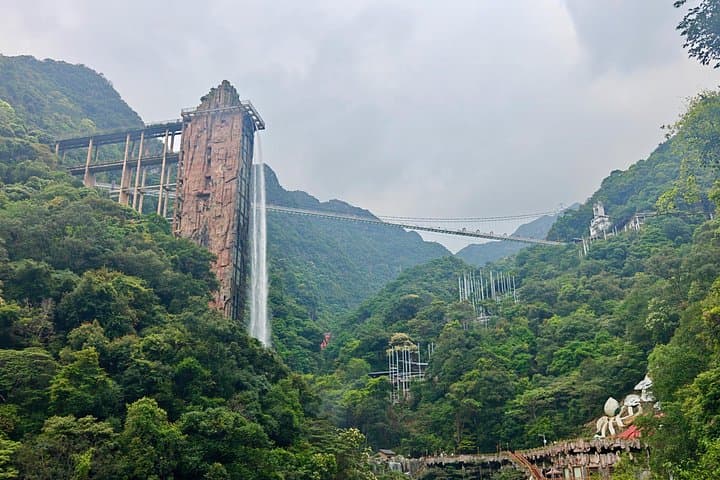
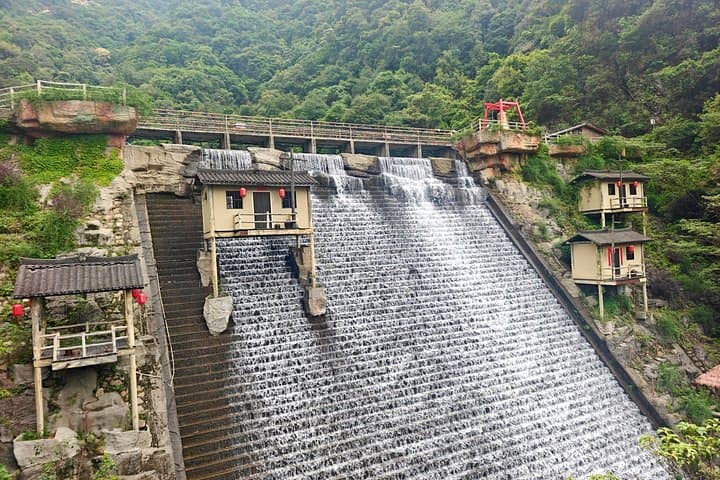
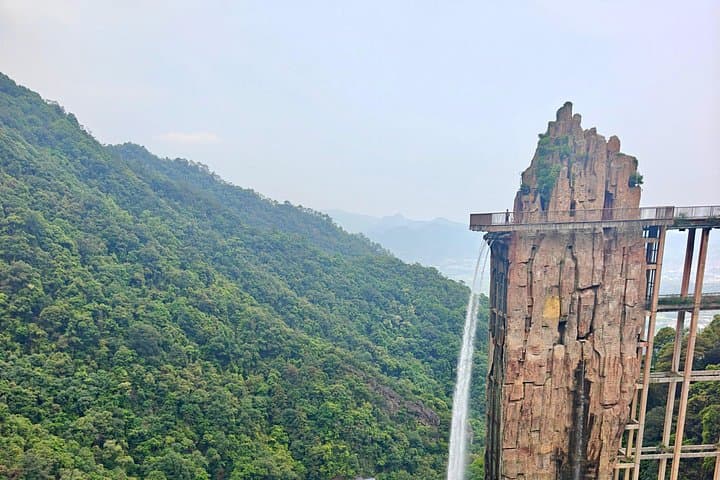
The bus hums north out of Guangzhou before dawn, highway lights giving way to rising ridgelines. By midmorning Mount Yunmen opens up: sheer rock faces, a narrow valley that funnels morning mist, and a glass bridge arching over a chasm that dares you to look down. The cable car lifts you past pine-speckled slopes to a temple courtyard where incense and weathered stone mark a long human presence.
The bus hums north out of Guangzhou before dawn, highway lights giving way to rising ridgelines. By midmorning Mount Yunmen opens up: sheer rock faces, a narrow valley that funnels morning mist, and a glass bridge arching over a chasm that dares you to look down. The cable car lifts you past pine-speckled slopes to a temple courtyard where incense and weathered stone mark a long human presence.
Geologically the area is shaped by durable South China granitoids and river-cut valleys; trails climb short, exposed steps rather than long alpine ascents. Culturally the region sits in Ruyuan Yao Autonomous County, home to Yao communities whose seasonal orchards—peaches in spring—dot lower slopes. The glass bridge and modern viewing platforms are recent additions to an older landscape of temples and small farming villages.
Expect a full day: roughly three hours each way by private vehicle, a cable-car ascent, a loop of paved and boardwalk trails, and a high, transparent bridge that tests vertigo. Lunch at a local restaurant is included, giving a chance to try Cantonese-style mountain dishes.
Practical edge: plan for sun and sudden rain, bring sturdy shoes for steps and boardwalks, and allow time for photography at quieter viewpoints early or late in the day. If heights bother you, the cable-car offers sweeping views without crossing the bridge. Respect temple etiquette, carry water, and keep to marked paths—this is a popular site, and managing crowds helps preserve the scenery.