THE ADVENTURE COLLECTIVE® · Independent discovery and booking for outdoor travel

Drive from Kutaisi into Racha for views at Shaori Reservoir, a visit to the 11th‑century Nikortsminda Cathedral, a short karst cave walk, and wine tasting at Khareba. This accessible eight‑hour day blends geology, medieval art, and Georgian wine traditions.
Drive from Kutaisi into Racha for views at Shaori Reservoir, a visit to the 11th‑century Nikortsminda Cathedral, a short karst cave walk, and wine tasting at Khareba. This accessible eight‑hour day blends geology, medieval art, and Georgian wine traditions.
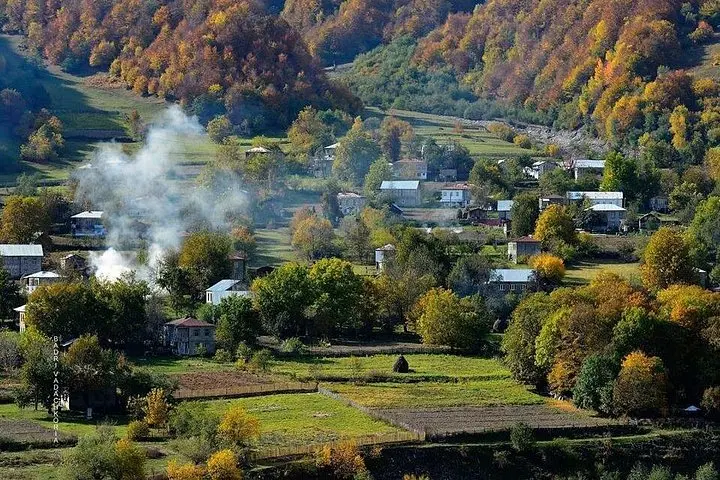
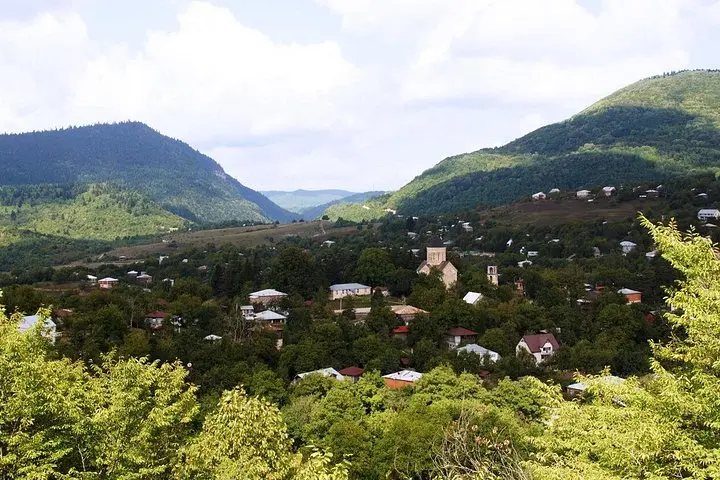
A morning drive from Kutaisi peels the city away and hands you a landscape of folded hills and highland light. You cross into Racha, where a shallow blue—Shaori Reservoir at 1,132 m—opens like a deliberate pause. The water dares you to stop; the road pushes on toward a compact village and a stone cathedral that has kept watch for a thousand years.
Verified experiences and guided adventures in the surrounding area.
Operated by Georgian Holidays · Nikortsminda, Racha-Lechkhumi and Kvemo Svaneti
A morning drive from Kutaisi peels the city away and hands you a landscape of folded hills and highland light. You cross into Racha, where a shallow blue—Shaori Reservoir at 1,132 m—opens like a deliberate pause. The water dares you to stop; the road pushes on toward a compact village and a stone cathedral that has kept watch for a thousand years.
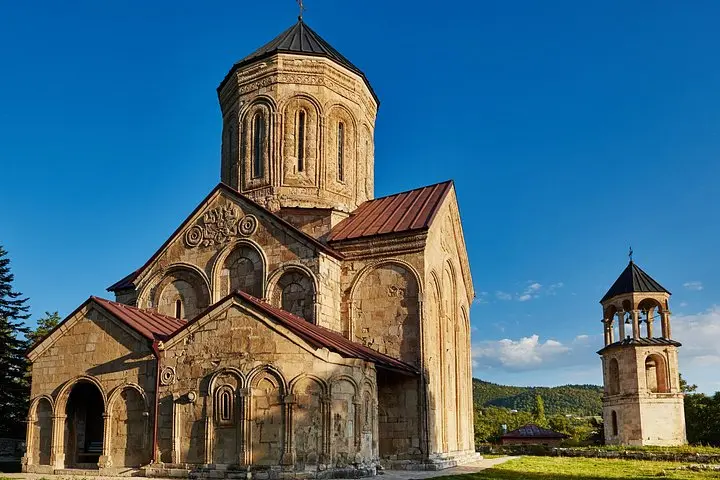
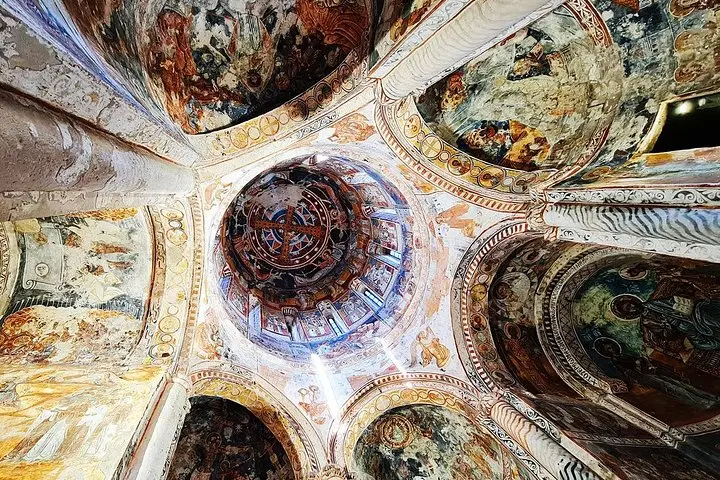
Nikortsminda Cathedral (built 1010–1014 under King Bagrat III) is an architectural pivot: a domed Georgian Orthodox church with bold masonry and large interior frescoes from the 17th century. Its proportions and carved details hint at regional power and devotion; it’s on UNESCO’s tentative list for good reason. Nearby, the Navenakhevi karst cave gives the day a geological counterpoint—an accessible 250 m show of stalactites and stalagmites formed by slow, patient water through limestone.
The afternoon moves from stone to grape at Khareba winery, one of Georgia’s large producers, where cellar geometry and tasting rooms translate millennia-old viniculture into approachable flights. Georgian wine culture is both daily ritual and proud craft—expect qvevri traditions discussed alongside modern bottlings.
Practical notes: plan for an 8‑hour day with winding mountain roads; wear stable shoes for the cave and modest clothing for the cathedral interior. Carry cash for small purchases, a refillable water bottle, and a lightweight jacket—highland weather shifts fast. Tours typically include pickup in Kutaisi and bottled water, and are suitable for most fitness levels. With a blend of geology, medieval art, and wine, the route is a compact portrait of Racha’s varied character.
The tour is approximately 8 hours (480 minutes) and typically starts and ends with pickup/drop-off in Kutaisi.
Yes—visitors can enter and view the interior frescoes, but dress modestly and follow any requests from guides regarding photography or areas that are restricted.
No—the cave is 250 m long and accessible, but surfaces can be wet and uneven; closed-toe shoes and steady footing are recommended.
Wine tasting at Khareba is included on many itineraries; non-drinkers can still tour the cellars, sample non‑alcoholic options, or skip the tasting with prior notice.
Georgian Holidays operates guided outdoor trips and adventures with an emphasis on safety, stewardship, and memorable experiences.
A morning drive from Kutaisi peels the city away and hands you a landscape of folded hills and highland light. You cross into Racha, where a shallow blue—Shaori Reservoir at 1,132 m—opens like a deliberate pause. The water dares you to stop; the road pushes on toward a compact village and a stone cathedral that has kept watch for a thousand years.
A morning drive from Kutaisi peels the city away and hands you a landscape of folded hills and highland light. You cross into Racha, where a shallow blue—Shaori Reservoir at 1,132 m—opens like a deliberate pause. The water dares you to stop; the road pushes on toward a compact village and a stone cathedral that has kept watch for a thousand years.
Nikortsminda Cathedral (built 1010–1014 under King Bagrat III) is an architectural pivot: a domed Georgian Orthodox church with bold masonry and large interior frescoes from the 17th century. Its proportions and carved details hint at regional power and devotion; it’s on UNESCO’s tentative list for good reason. Nearby, the Navenakhevi karst cave gives the day a geological counterpoint—an accessible 250 m show of stalactites and stalagmites formed by slow, patient water through limestone.
The afternoon moves from stone to grape at Khareba winery, one of Georgia’s large producers, where cellar geometry and tasting rooms translate millennia-old viniculture into approachable flights. Georgian wine culture is both daily ritual and proud craft—expect qvevri traditions discussed alongside modern bottlings.
Practical notes: plan for an 8‑hour day with winding mountain roads; wear stable shoes for the cave and modest clothing for the cathedral interior. Carry cash for small purchases, a refillable water bottle, and a lightweight jacket—highland weather shifts fast. Tours typically include pickup in Kutaisi and bottled water, and are suitable for most fitness levels. With a blend of geology, medieval art, and wine, the route is a compact portrait of Racha’s varied character.