THE ADVENTURE COLLECTIVE® · Independent discovery and booking for outdoor travel

Cross the footbridge to Civita di Bagnoregio and wander Orvieto’s Duomo in a single private day trip from Rome. This eight-hour tour blends volcanic geology, Etruscan roots, and hands-on local flavors—ideal for travelers who want high-impact sightseeing with minimal logistics.
Cross the footbridge to Civita di Bagnoregio and wander Orvieto’s Duomo in a single private day trip from Rome. This eight-hour tour blends volcanic geology, Etruscan roots, and hands-on local flavors—ideal for travelers who want high-impact sightseeing with minimal logistics.
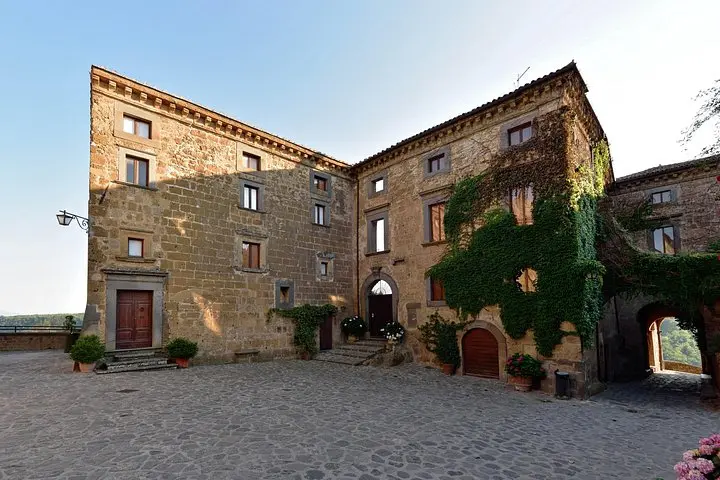
The van drops you on the long pedestrian bridge and the world narrows to a single spine of stone: Civita di Bagnoregio rises like a small island of houses on volcanic tuff, the cliff’s edges daring you to walk the length and look back at the valley below.
Verified experiences and guided adventures in the surrounding area.
Operated by Best Rome Driver Private Tours · Orvieto, Umbria
The van drops you on the long pedestrian bridge and the world narrows to a single spine of stone: Civita di Bagnoregio rises like a small island of houses on volcanic tuff, the cliff’s edges daring you to walk the length and look back at the valley below.
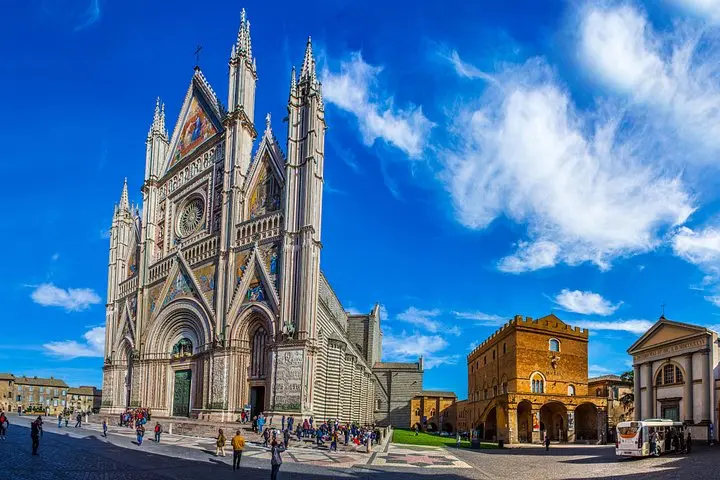
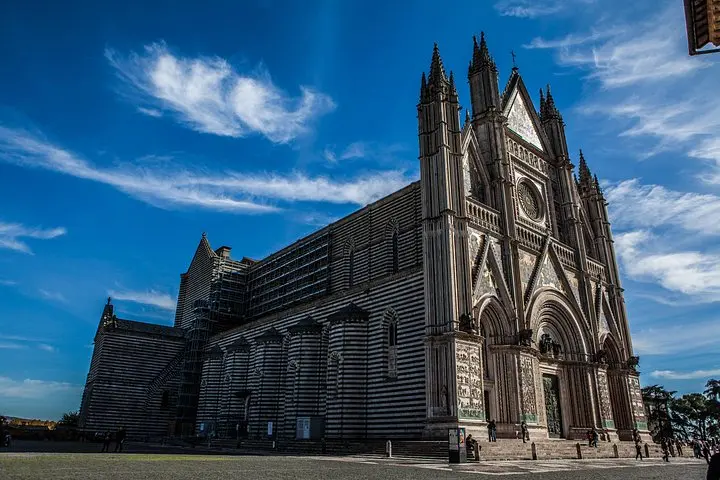
This full-day private tour pairs that dramatic “dying town” with Orvieto, a hill city whose cathedral facade and underground Etruscan passages tell a layered story of faith, commerce and geology. Civita’s perch is the result of millennia of volcanic activity and soft tuff that erodes under rain and wind, which is why the village’s survival feels both fragile and stubborn. Orvieto grew as an Etruscan and later medieval center; its Duomo, begun in the 13th century, remains one of Italy’s most ambitious Gothic façades.
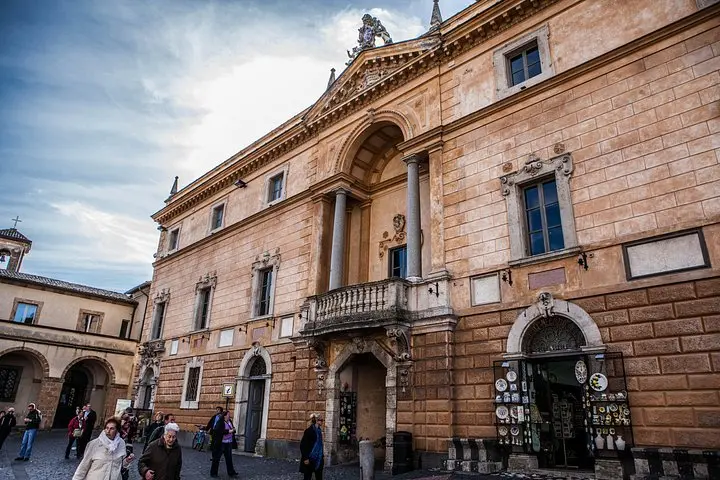
Expect narrow cobbled lanes, terraces of stone, and local life moving at a careful pace: cafes, small markets, and panoramic overlooks that frame the Umbrian plains. Guides and drivers usually offer contextual history and practical routing; most meals are independent so you can choose rustic Umbrian cuisine—pici pasta, wild boar ragù, and Umbrian wines.
Practicalities matter: the Civita approach is on foot across a bridge and involves uneven paving; Orvieto’s center has steps and a 50m tower if you choose to climb for views. Bring sturdy shoes, sun protection, and a light daypack. The day is best started early to avoid crowds and to preserve a steady rhythm of exploration and rest.
The tour runs about eight hours door-to-door, including travel time, stops at Civita and Orvieto, and time for a lunch break.
No—this private transfer covers transportation and an English-speaking driver; museum or cathedral admissions and lunches are paid separately.
Expect moderate walking on uneven surfaces: the Civita bridge and village paths plus Orvieto’s central streets and optional tower climb.
Yes—operators usually allow customization for pace, dining preferences, and specific stops if requested when booking.
Best Rome Driver Private Tours operates guided outdoor trips and adventures with an emphasis on safety, stewardship, and memorable experiences.
The van drops you on the long pedestrian bridge and the world narrows to a single spine of stone: Civita di Bagnoregio rises like a small island of houses on volcanic tuff, the cliff’s edges daring you to walk the length and look back at the valley below.
The van drops you on the long pedestrian bridge and the world narrows to a single spine of stone: Civita di Bagnoregio rises like a small island of houses on volcanic tuff, the cliff’s edges daring you to walk the length and look back at the valley below.
This full-day private tour pairs that dramatic “dying town” with Orvieto, a hill city whose cathedral facade and underground Etruscan passages tell a layered story of faith, commerce and geology. Civita’s perch is the result of millennia of volcanic activity and soft tuff that erodes under rain and wind, which is why the village’s survival feels both fragile and stubborn. Orvieto grew as an Etruscan and later medieval center; its Duomo, begun in the 13th century, remains one of Italy’s most ambitious Gothic façades.
Expect narrow cobbled lanes, terraces of stone, and local life moving at a careful pace: cafes, small markets, and panoramic overlooks that frame the Umbrian plains. Guides and drivers usually offer contextual history and practical routing; most meals are independent so you can choose rustic Umbrian cuisine—pici pasta, wild boar ragù, and Umbrian wines.
Practicalities matter: the Civita approach is on foot across a bridge and involves uneven paving; Orvieto’s center has steps and a 50m tower if you choose to climb for views. Bring sturdy shoes, sun protection, and a light daypack. The day is best started early to avoid crowds and to preserve a steady rhythm of exploration and rest.