
Day Trip to Ourika Valley from Marrakech — Waterfalls, Berber Villages & Atlas Views
Escape Marrakech for a full day in the Ourika Valley: terraced farmland, cascading waterfalls at Setti Fatma, and authentic Berber villages. This accessible High Atlas excursion blends easy hikes with cultural visits and panoramic mountain views.
An Adventure In Marrakech.
Escape Marrakech for a full day in the Ourika Valley: terraced farmland, cascading waterfalls at Setti Fatma, and authentic Berber villages. This accessible High Atlas excursion blends easy hikes with cultural visits and panoramic mountain views.
Read the full experience
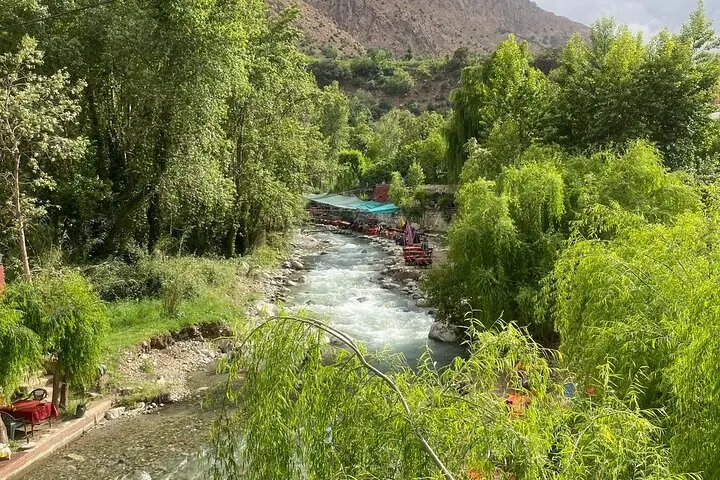
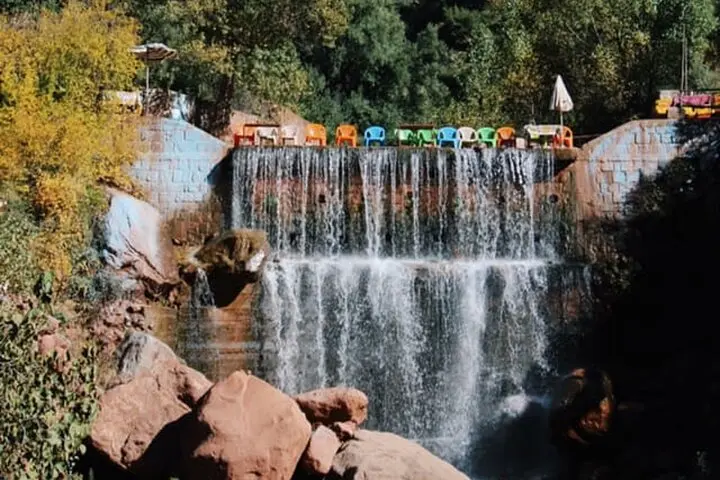
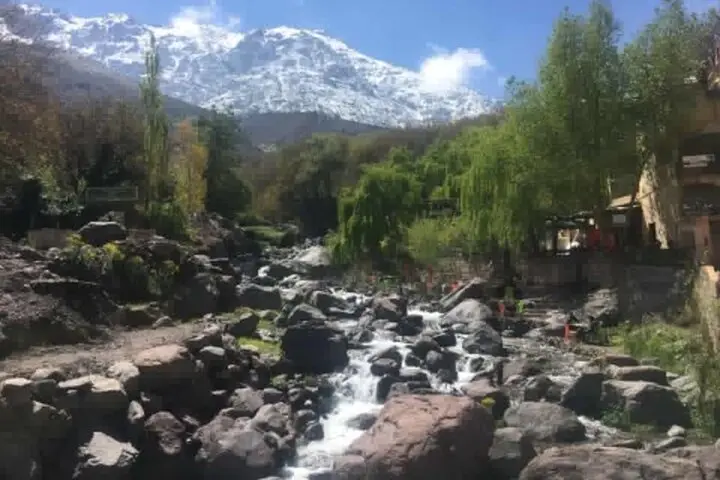
You arrive before the heat of the day, the road slipping down from Marrakech into a widening green cleft where the High Atlas presses close. River terraces and olive groves line the valley; the Ourika River threads through, daring you toward the stepped springs and the creak of mule tracks. By midmorning the Setti Fatma falls spill in stages, a series of limestone steps that give the valley movement and voice.
You arrive before the heat of the day, the road slipping down from Marrakech into a widening green cleft where the High Atlas presses close. River terraces and olive groves line the valley; the Ourika River threads through, daring you toward the stepped springs and the creak of mule tracks. By midmorning the Setti Fatma falls spill in stages, a series of limestone steps that give the valley movement and voice.
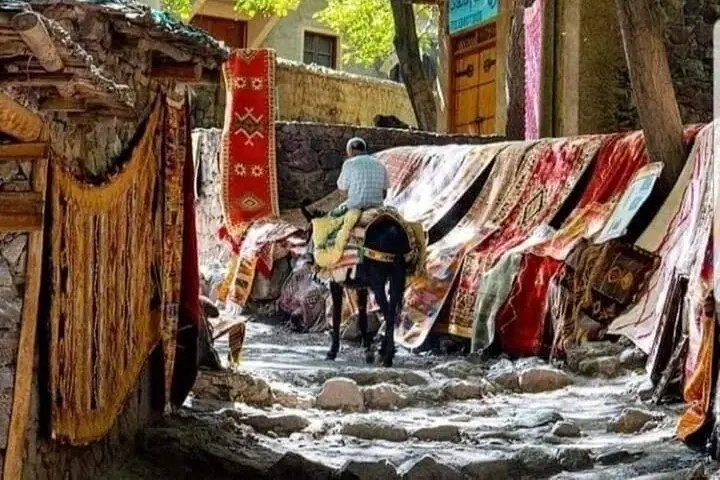
The valley has long been home to Berber communities whose terraces and stone houses trace centuries of mountain agriculture and seasonal trade. Geologically, the High Atlas here is folded limestone and schist—valley floors rich with alluvial soil, cliffs framing narrow gorges and scattered springs. Local cafés sit on low ridgelines; guides, often from nearby villages, offer context on irrigation channels and age-old olive groves.
Expect a mix of rural walking and light hiking: village lanes, rocky footpaths up toward the lower falls, and riverbank stretches where currents push you downstream visually. The trip is cultural as much as scenic—markets, simple mountain kitchens, and brief chances to meet families who still tend goats and terraces.
Practical notes: leave early from Marrakech to avoid midafternoon heat, wear broken-in footwear for slick stones around waterfalls, and carry at least 1.5–2 liters of water. Bring a light layer for higher elevations and modest clothing for village visits. A guided day trip usually includes pickup, return transport, and local insights—enough time to hike to the main falls, visit a village, and finish with mountain views before you head back to the city.
Frequently asked questions
Travel time is roughly 45–75 minutes each way depending on traffic and your pickup point in Marrakech.
Walks are moderate: uneven paths and stone steps with short uphill sections—suitable for most people in reasonable health.
Typical day-trip inclusions are transport and a local guide; meals and optional local entrance fees are usually extra—confirm with the operator.
Yes—routes can be adapted; however those with limited mobility should note that paths near the falls are uneven and can be slippery.
About This Experience
Easy take travel operates guided outdoor trips and adventures with an emphasis on safety, stewardship, and memorable experiences.
Adventure tips
Recommended gear
- Sturdy hiking shoes: Provide traction on rocky riverbanks and uneven village paths.
- Daypack with hydration: Carry water, snacks, sunscreen, and a light layer for changing conditions.
- Sun hat & sunscreen: Protects against strong sun on exposed valley sections and parking stops.
- Light rain shell or wind layer: Useful for cooler mornings or sudden showers higher in the Atlas.
Photos of the experience
Related adventures & guides
Read the full experience
You arrive before the heat of the day, the road slipping down from Marrakech into a widening green cleft where the High Atlas presses close. River terraces and olive groves line the valley; the Ourika River threads through, daring you toward the stepped springs and the creak of mule tracks. By midmorning the Setti Fatma falls spill in stages, a series of limestone steps that give the valley movement and voice.
You arrive before the heat of the day, the road slipping down from Marrakech into a widening green cleft where the High Atlas presses close. River terraces and olive groves line the valley; the Ourika River threads through, daring you toward the stepped springs and the creak of mule tracks. By midmorning the Setti Fatma falls spill in stages, a series of limestone steps that give the valley movement and voice.
The valley has long been home to Berber communities whose terraces and stone houses trace centuries of mountain agriculture and seasonal trade. Geologically, the High Atlas here is folded limestone and schist—valley floors rich with alluvial soil, cliffs framing narrow gorges and scattered springs. Local cafés sit on low ridgelines; guides, often from nearby villages, offer context on irrigation channels and age-old olive groves.
Expect a mix of rural walking and light hiking: village lanes, rocky footpaths up toward the lower falls, and riverbank stretches where currents push you downstream visually. The trip is cultural as much as scenic—markets, simple mountain kitchens, and brief chances to meet families who still tend goats and terraces.
Practical notes: leave early from Marrakech to avoid midafternoon heat, wear broken-in footwear for slick stones around waterfalls, and carry at least 1.5–2 liters of water. Bring a light layer for higher elevations and modest clothing for village visits. A guided day trip usually includes pickup, return transport, and local insights—enough time to hike to the main falls, visit a village, and finish with mountain views before you head back to the city.
Make a day of it nearby.
Verified experiences and guided adventures in the surrounding area.