THE ADVENTURE COLLECTIVE® · Independent discovery and booking for outdoor travel

Drive out of Marrakech into a living High Atlas valley where argan cooperatives, village souks and cascading waterfalls form a compact day of culture and easy hiking. Expect river-side lunches, short uphill village walks and authentic encounters with Berber life.
Drive out of Marrakech into a living High Atlas valley where argan cooperatives, village souks and cascading waterfalls form a compact day of culture and easy hiking. Expect river-side lunches, short uphill village walks and authentic encounters with Berber life.
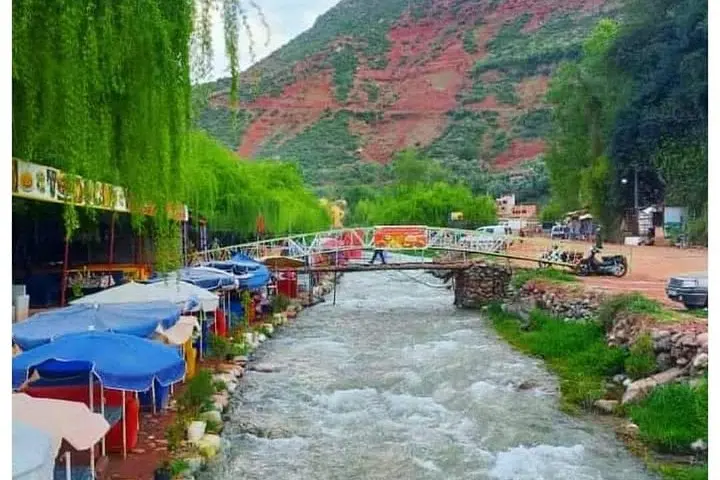
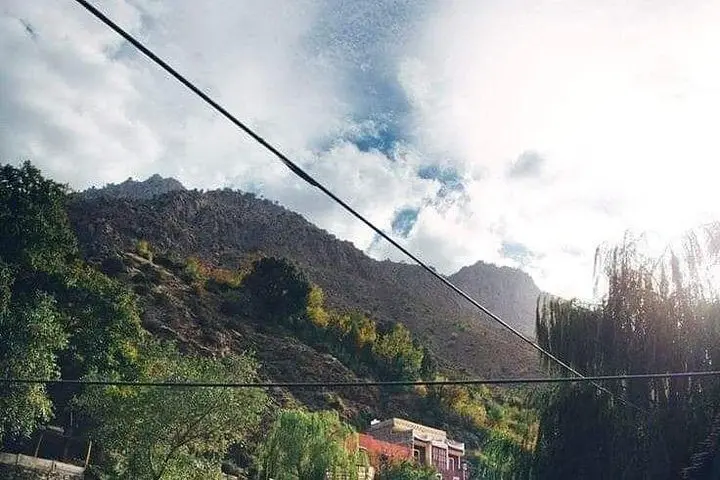
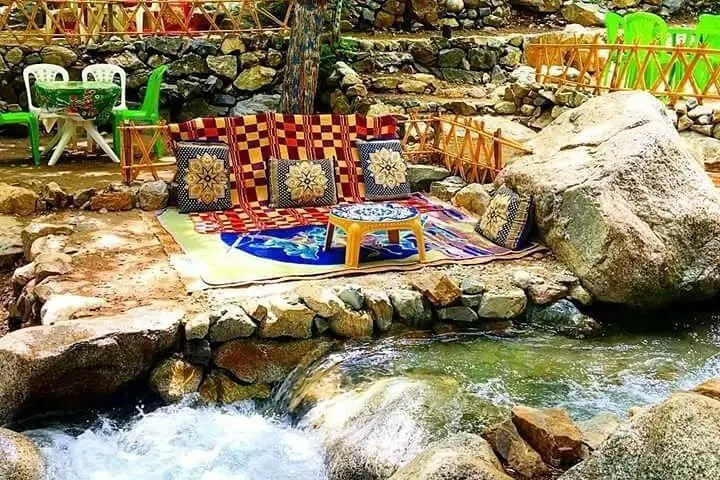
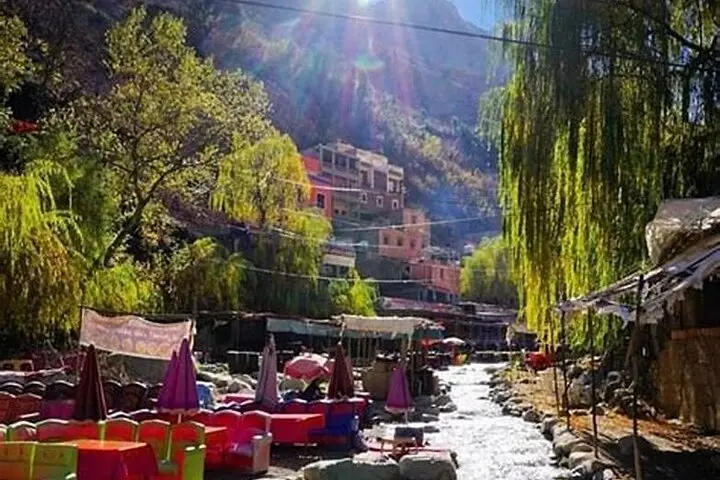
A cool morning wind pushes the dust off the dozen cars in the parking lot as the road drops from Marrakech into widening river terraces. By the time you reach the village of Setti Fatma the river is a voice in the canyon, daring you to follow it uphill toward a string of falls. The landscape transitions fast — scrubby lowland, then steeper slopes of the High Atlas where terraces and dry-stone walls stitch human hands into the geology.
Verified experiences and guided adventures in the surrounding area.
Operated by 26TOURS · Ourika, Marrakesh-Safi
A cool morning wind pushes the dust off the dozen cars in the parking lot as the road drops from Marrakech into widening river terraces. By the time you reach the village of Setti Fatma the river is a voice in the canyon, daring you to follow it uphill toward a string of falls. The landscape transitions fast — scrubby lowland, then steeper slopes of the High Atlas where terraces and dry-stone walls stitch human hands into the geology.
The Ourika Valley has been a lifeline for Amazigh (Berber) families for centuries: seasonal grazing, mule tracks, and small farms cling to steep benches. Geologically the valley is cut into older metamorphic folds that throw up abrupt ridgelines and narrow gorges; the river’s cataracts are where water has found joints in the rock. Culturally, the day trip centers on the valley’s crafts and livelihoods — argan cooperatives run by local women, village breakfasts of home-baked bread and olive oil, and souks where woven bags and hand-carved wood recall long trade routes.
Practically, the trip is a full-day outing from Marrakech (about 45–60 minutes each way). Expect easy, guided village walks with brief uphill sections to the waterfalls; sturdy shoes, sun protection, and 1–2 liters of water are good preparation. Bring cash for cooperative purchases and a small tip for your guide. If you want gardens after lunch, the optional Anima Garden adds cultivated color and a different view of horticultural practice in the region.
The experience balances nature and culture: the river pushes forward, locals keep traditions moving, and visitors leave with a clearer sense of life carved into these slopes.
The drive typically takes 45–60 minutes each way depending on traffic and your pickup location in Marrakech.
No — the walks included are short to moderate with some uneven footing; the route is suitable for most fitness levels but not for wheelchair access beyond main village areas.
Yes — visits to women's cooperatives are usually included so you can observe the traditional argan oil process and buy products directly.
Anima Garden is an optional botanical garden stop near the valley offering cultivated landscapes and artful plantings; it's an extra visit often added after lunch on request.
26TOURS operates guided outdoor trips and adventures with an emphasis on safety, stewardship, and memorable experiences.
A cool morning wind pushes the dust off the dozen cars in the parking lot as the road drops from Marrakech into widening river terraces. By the time you reach the village of Setti Fatma the river is a voice in the canyon, daring you to follow it uphill toward a string of falls. The landscape transitions fast — scrubby lowland, then steeper slopes of the High Atlas where terraces and dry-stone walls stitch human hands into the geology.
A cool morning wind pushes the dust off the dozen cars in the parking lot as the road drops from Marrakech into widening river terraces. By the time you reach the village of Setti Fatma the river is a voice in the canyon, daring you to follow it uphill toward a string of falls. The landscape transitions fast — scrubby lowland, then steeper slopes of the High Atlas where terraces and dry-stone walls stitch human hands into the geology.
The Ourika Valley has been a lifeline for Amazigh (Berber) families for centuries: seasonal grazing, mule tracks, and small farms cling to steep benches. Geologically the valley is cut into older metamorphic folds that throw up abrupt ridgelines and narrow gorges; the river’s cataracts are where water has found joints in the rock. Culturally, the day trip centers on the valley’s crafts and livelihoods — argan cooperatives run by local women, village breakfasts of home-baked bread and olive oil, and souks where woven bags and hand-carved wood recall long trade routes.
Practically, the trip is a full-day outing from Marrakech (about 45–60 minutes each way). Expect easy, guided village walks with brief uphill sections to the waterfalls; sturdy shoes, sun protection, and 1–2 liters of water are good preparation. Bring cash for cooperative purchases and a small tip for your guide. If you want gardens after lunch, the optional Anima Garden adds cultivated color and a different view of horticultural practice in the region.
The experience balances nature and culture: the river pushes forward, locals keep traditions moving, and visitors leave with a clearer sense of life carved into these slopes.