THE ADVENTURE COLLECTIVE® · Independent discovery and booking for outdoor travel

A full-day escape from Marrakech to Ouzoud delivers steep canyon views, a guided mountain hike, a boat ride into the spray and a traditional Berber lunch. This practical guide explains what to expect, how to move on the trails, and the local insights that make the trip more than a photo stop.
A full-day escape from Marrakech to Ouzoud delivers steep canyon views, a guided mountain hike, a boat ride into the spray and a traditional Berber lunch. This practical guide explains what to expect, how to move on the trails, and the local insights that make the trip more than a photo stop.
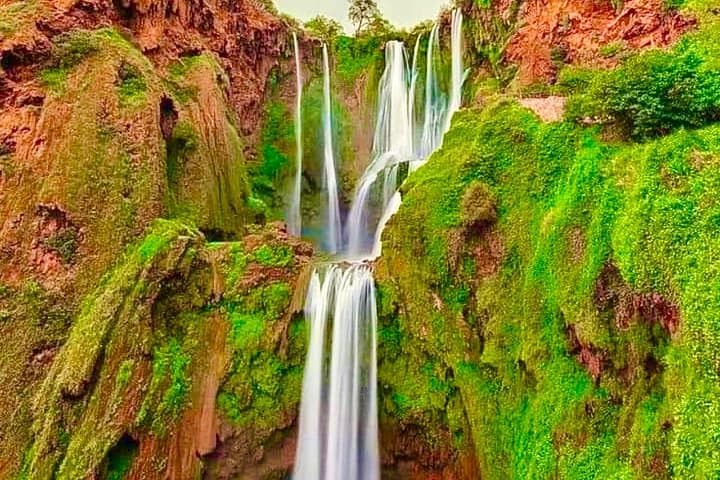
The first glimpse of Ouzoud arrives like a promise: a white curtain of water spilling from a scarred cliff, birds darting through the spray and the valley smell—olive oil and dust—riding the wind. On a shared day trip from Marrakech, the road through the High Atlas loosens the city’s heat and noise; by the time the vehicle drops you at the lookout, the falls are already working on you—foaming, cool, and insistently present.
Verified experiences and guided adventures in the surrounding area.
Operated by Bel Mov Sarl · Ouzoud, Marrakesh-Safi
The first glimpse of Ouzoud arrives like a promise: a white curtain of water spilling from a scarred cliff, birds darting through the spray and the valley smell—olive oil and dust—riding the wind. On a shared day trip from Marrakech, the road through the High Atlas loosens the city’s heat and noise; by the time the vehicle drops you at the lookout, the falls are already working on you—foaming, cool, and insistently present.
Geologically, Ouzoud is the work of water on ancient limestone and shale. The river has cut a stepped course down a rim of resistant rock, creating a series of cataracts that culminate in Morocco’s tallest cascade at roughly 110 meters. Around the falls, terraces of olive trees cling to steep slopes, a pattern shaped over centuries by Berber farmers who have pruned and pressed local harvests here for generations.
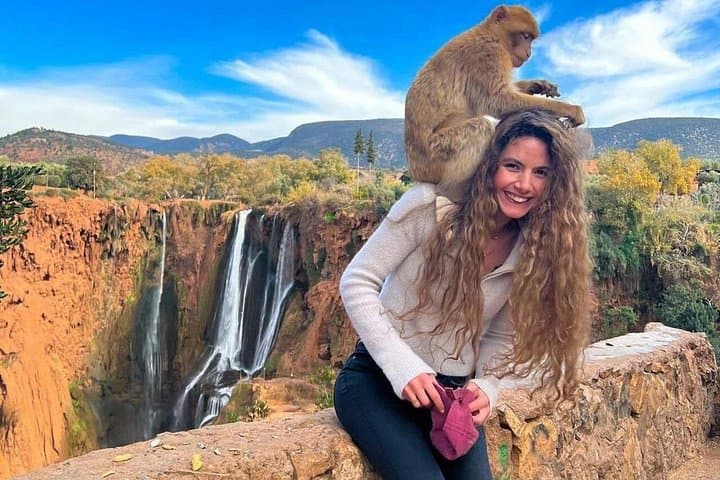
Culturally the site sits at the intersection of rural Amazigh life and growing tourist interest. Small villages nearby still operate traditional olive mills and sell tajine and mint tea from shaded terraces. Barbary macaques are a visible local presence—playful but wild—and guides will point out both the animals and the best viewpoints without letting them steal the scene.
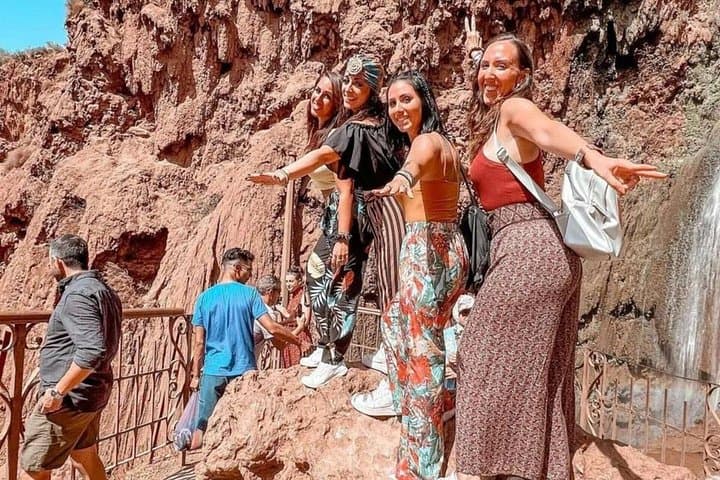
Practical travel note: this is a full-day outing. Expect a round-trip drive of two to three hours each way from Marrakech depending on traffic and stops. On arrival, an expert guide leads a manageable mountain hike across uneven paths and stone steps; the route threads past olive groves, viewpoints above the falls, and a short boat ride that takes you into the spray at the base of the cascade. A Berber lunch—often tagine, fresh bread and local salads—lands on a terrace with the falls as backdrop.
For the visit itself: wear sturdy shoes with good traction, carry layered sun protection and at least 1–1.5 liters of water, and bring a small waterproof for cameras. Respect wildlife—do not feed monkeys—and follow your guide’s directions on where it’s safe to walk. Toilets and simple cafés are at the village level; facilities are basic.
Timing makes a difference: late afternoon softens the light and thins crowds, while morning trips tend to be cooler and better for birdwatching. Whether you arrive hoping to hike, photograph cascading water, or simply taste a rural Berber lunch, Ouzoud rewards a curious but practical traveler—nature that will not be rushed, and a landscape that quietly asks you to slow down.
The round trip is typically 5–6 hours of driving total—about 2–3 hours each way depending on traffic and stops.
The guided hike is moderate: uneven rocky paths and steps but no technical climbing; basic fitness and steady footwear are sufficient.
Basic public toilets and cafés are available at village level near the falls; facilities are simple so bring hand sanitizer and small change.
Yes—small boats run short trips into the spray at the base; wear waterproof protection and expect to get wet.
Yes, macaques are commonly seen around viewing areas—observe quietly and don’t feed them.
Yes, a traditional Berber lunch (often tagine) overlooking the falls is included in the tour price.
Bel Mov Sarl operates guided outdoor trips and adventures with an emphasis on safety, stewardship, and memorable experiences.

The first glimpse of Ouzoud arrives like a promise: a white curtain of water spilling from a scarred cliff, birds darting through the spray and the valley smell—olive oil and dust—riding the wind. On a shared day trip from Marrakech, the road through the High Atlas loosens the city’s heat and noise; by the time the vehicle drops you at the lookout, the falls are already working on you—foaming, cool, and insistently present.
The first glimpse of Ouzoud arrives like a promise: a white curtain of water spilling from a scarred cliff, birds darting through the spray and the valley smell—olive oil and dust—riding the wind. On a shared day trip from Marrakech, the road through the High Atlas loosens the city’s heat and noise; by the time the vehicle drops you at the lookout, the falls are already working on you—foaming, cool, and insistently present.
Geologically, Ouzoud is the work of water on ancient limestone and shale. The river has cut a stepped course down a rim of resistant rock, creating a series of cataracts that culminate in Morocco’s tallest cascade at roughly 110 meters. Around the falls, terraces of olive trees cling to steep slopes, a pattern shaped over centuries by Berber farmers who have pruned and pressed local harvests here for generations.
Culturally the site sits at the intersection of rural Amazigh life and growing tourist interest. Small villages nearby still operate traditional olive mills and sell tajine and mint tea from shaded terraces. Barbary macaques are a visible local presence—playful but wild—and guides will point out both the animals and the best viewpoints without letting them steal the scene.
Practical travel note: this is a full-day outing. Expect a round-trip drive of two to three hours each way from Marrakech depending on traffic and stops. On arrival, an expert guide leads a manageable mountain hike across uneven paths and stone steps; the route threads past olive groves, viewpoints above the falls, and a short boat ride that takes you into the spray at the base of the cascade. A Berber lunch—often tagine, fresh bread and local salads—lands on a terrace with the falls as backdrop.
For the visit itself: wear sturdy shoes with good traction, carry layered sun protection and at least 1–1.5 liters of water, and bring a small waterproof for cameras. Respect wildlife—do not feed monkeys—and follow your guide’s directions on where it’s safe to walk. Toilets and simple cafés are at the village level; facilities are basic.
Timing makes a difference: late afternoon softens the light and thins crowds, while morning trips tend to be cooler and better for birdwatching. Whether you arrive hoping to hike, photograph cascading water, or simply taste a rural Berber lunch, Ouzoud rewards a curious but practical traveler—nature that will not be rushed, and a landscape that quietly asks you to slow down.