THE ADVENTURE COLLECTIVE® · Independent discovery and booking for outdoor travel

Escape Marrakech for a full-day loop to Ouzoud Falls—three hours each way for big cascades, riverside lunches, a short boat ride into the spray, and walking trails that drop into olive terraces. Here’s what to expect and how to plan for a smooth, memorable day.
Escape Marrakech for a full-day loop to Ouzoud Falls—three hours each way for big cascades, riverside lunches, a short boat ride into the spray, and walking trails that drop into olive terraces. Here’s what to expect and how to plan for a smooth, memorable day.
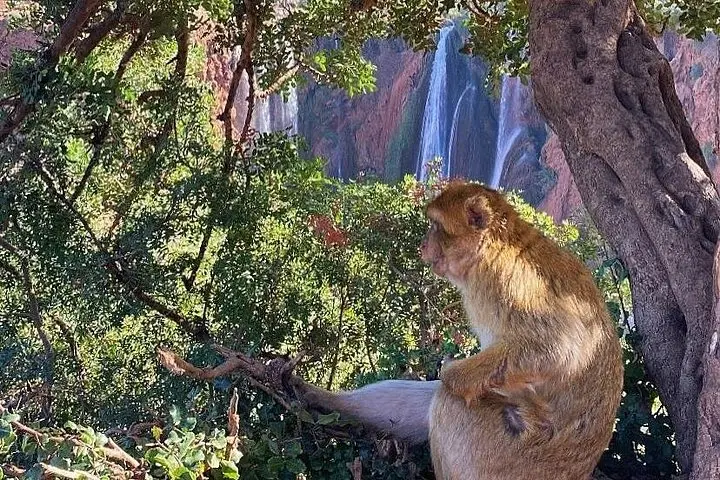
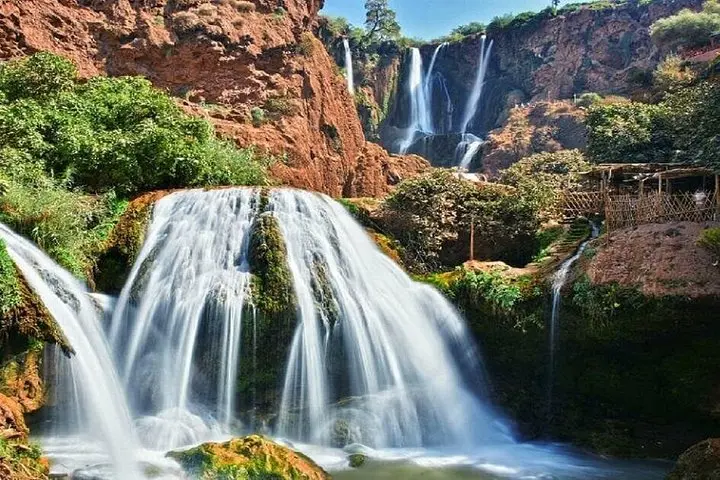
You leave Marrakech before the city fully wakes, the minibus carving east across ochre plains as the Atlas range sharpens on the horizon. After three hours of highway, olive groves and hamlets thin into a canyon where the river makes itself known—first as a silver thread, then as the thunderous, foaming expanse of Ouzoud. Standing at the rim, the falls throw water in wide braided curtains down roughly 110 meters into a tree-lined gorge; rainbows appear and vanish as if the canyon itself is breathing.
Verified experiences and guided adventures in the surrounding area.
Operated by Marrakech Sweet Travel · Ouzoud, Azilal Province
You leave Marrakech before the city fully wakes, the minibus carving east across ochre plains as the Atlas range sharpens on the horizon. After three hours of highway, olive groves and hamlets thin into a canyon where the river makes itself known—first as a silver thread, then as the thunderous, foaming expanse of Ouzoud. Standing at the rim, the falls throw water in wide braided curtains down roughly 110 meters into a tree-lined gorge; rainbows appear and vanish as if the canyon itself is breathing.
Ouzoud sits on the edge of Azilal province and has long been shaped by water and people. Stone mills, some still functioning, dot the terraces above and below the falls; they recall centuries of local olive and grain processing run by Berber families whose villages cling to the highlands. Geologically, the cascade traces harder volcanic and sedimentary layers—water exploits fractures, carving plunge pools and steep staircases that guide it toward the El Abid River.
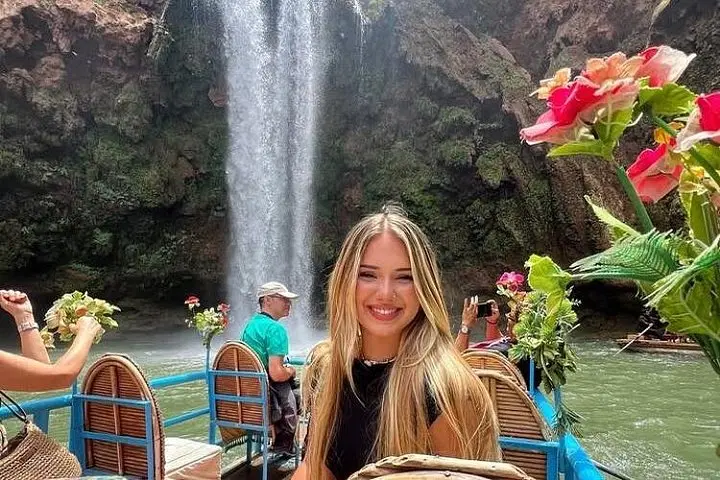
The experience blends soft adventure with village life. You can hike the loop trail that drops from the rim to the river and climbs back up through olive groves—about 2–3 km on foot if you stick to the main viewpoints, with roughly 200 m of elevation change between rim and river. Local boatmen offer short skiff rides into the spray line at the base; it’s thrilling but brief. Riverside cafes serve tagine and fresh fish—simple, charcoal-smoked lunches best timed after the morning hike.
Plan practically: the round trip from Marrakech is 8–10 hours including a 3-hour drive each way, time to explore, and the scheduled return. Wear sturdy shoes—the paths include uneven stone steps and slick, water-splashed rock. Bring water, sun protection, and a lightweight layer for the canyon’s breeze. Guides are available locally if you want historical context and safer route choices; group tours often leave hotels around 8:00 a.m. and return by early evening.
Respect the site: don’t swim in the main plunge pools—currents are deceptive—and follow local signage on restricted areas. If you have time, walk past the main viewpoints to the olive terraces upstream; the crowds fade and the sound of irrigation channels becomes the dominant soundtrack.
For photographers and active travelers alike, Ouzoud delivers big, uncomplicated nature—water that insists on movement, cliffs that demand attention, and a village rhythm that keeps the day grounded. It’s an accessible day out of Marrakech that feels, for a few hours, like stepping into a place where water still runs the show.
Expect about 2.5–3 hours each way depending on traffic and stops—most tours schedule an 8–10 hour round trip.
Boat rides are typically arranged locally and may not be included in the base tour price—bring cash if you want a short ride into the spray.
Swimming in the main plunge pools is discouraged due to strong currents and hidden rocks; local signs and guides will advise where it’s safe, if at all.
There are steep sections and many stairs; families and older visitors can still enjoy viewpoints and riverside cafes but should avoid steep descents if mobility is limited.
Not required—the main loop is well-trodden—but local guides add cultural context, point out hidden viewpoints, and improve safety on tricky paths.
Basic restrooms and several small cafes exist near the main viewpoints and river; carry some cash and hand sanitizer for convenience.
Marrakech Sweet Travel operates guided outdoor trips and adventures with an emphasis on safety, stewardship, and memorable experiences.
You leave Marrakech before the city fully wakes, the minibus carving east across ochre plains as the Atlas range sharpens on the horizon. After three hours of highway, olive groves and hamlets thin into a canyon where the river makes itself known—first as a silver thread, then as the thunderous, foaming expanse of Ouzoud. Standing at the rim, the falls throw water in wide braided curtains down roughly 110 meters into a tree-lined gorge; rainbows appear and vanish as if the canyon itself is breathing.
You leave Marrakech before the city fully wakes, the minibus carving east across ochre plains as the Atlas range sharpens on the horizon. After three hours of highway, olive groves and hamlets thin into a canyon where the river makes itself known—first as a silver thread, then as the thunderous, foaming expanse of Ouzoud. Standing at the rim, the falls throw water in wide braided curtains down roughly 110 meters into a tree-lined gorge; rainbows appear and vanish as if the canyon itself is breathing.
Ouzoud sits on the edge of Azilal province and has long been shaped by water and people. Stone mills, some still functioning, dot the terraces above and below the falls; they recall centuries of local olive and grain processing run by Berber families whose villages cling to the highlands. Geologically, the cascade traces harder volcanic and sedimentary layers—water exploits fractures, carving plunge pools and steep staircases that guide it toward the El Abid River.
The experience blends soft adventure with village life. You can hike the loop trail that drops from the rim to the river and climbs back up through olive groves—about 2–3 km on foot if you stick to the main viewpoints, with roughly 200 m of elevation change between rim and river. Local boatmen offer short skiff rides into the spray line at the base; it’s thrilling but brief. Riverside cafes serve tagine and fresh fish—simple, charcoal-smoked lunches best timed after the morning hike.
Plan practically: the round trip from Marrakech is 8–10 hours including a 3-hour drive each way, time to explore, and the scheduled return. Wear sturdy shoes—the paths include uneven stone steps and slick, water-splashed rock. Bring water, sun protection, and a lightweight layer for the canyon’s breeze. Guides are available locally if you want historical context and safer route choices; group tours often leave hotels around 8:00 a.m. and return by early evening.
Respect the site: don’t swim in the main plunge pools—currents are deceptive—and follow local signage on restricted areas. If you have time, walk past the main viewpoints to the olive terraces upstream; the crowds fade and the sound of irrigation channels becomes the dominant soundtrack.
For photographers and active travelers alike, Ouzoud delivers big, uncomplicated nature—water that insists on movement, cliffs that demand attention, and a village rhythm that keeps the day grounded. It’s an accessible day out of Marrakech that feels, for a few hours, like stepping into a place where water still runs the show.