THE ADVENTURE COLLECTIVE® · Independent discovery and booking for outdoor travel

A day trip from Marrakech to Ouzoud Falls delivers loud water, olive-dotted hills, and a short boat ride at the pool beneath a roughly 110m cascade. This shared tour pairs effortless transport with a guided hike—ideal for travelers who want dramatic scenery and local flavor without the logistics.
A day trip from Marrakech to Ouzoud Falls delivers loud water, olive-dotted hills, and a short boat ride at the pool beneath a roughly 110m cascade. This shared tour pairs effortless transport with a guided hike—ideal for travelers who want dramatic scenery and local flavor without the logistics.
The minibus rolls out of Marrakech before dawn and, as the city’s ochre walls blur into the rearview, the landscape loosens—olive terraces give way to folded ridges and a high, clear light that seems to sharpen the air. By mid-morning the sound changes: not the distant hum of traffic but a steady roar. Ouzoud announces itself with spray and a cool, citrus scent drifting through stands of olive and carob trees. The falls tumble in multiple tiers, the main drop plummeting roughly 110 meters into a plunge pool rimmed by sugar-colored rock. Walks that skirt the rim offer panoramas; a narrow trail curls down to the river and the short boat ride that pulls close to the base, mist daring you to step closer.
Verified experiences and guided adventures in the surrounding area.
Operated by TRIP SPIRIT · Ouzoud, Marrakesh-Safi
The minibus rolls out of Marrakech before dawn and, as the city’s ochre walls blur into the rearview, the landscape loosens—olive terraces give way to folded ridges and a high, clear light that seems to sharpen the air. By mid-morning the sound changes: not the distant hum of traffic but a steady roar. Ouzoud announces itself with spray and a cool, citrus scent drifting through stands of olive and carob trees. The falls tumble in multiple tiers, the main drop plummeting roughly 110 meters into a plunge pool rimmed by sugar-colored rock. Walks that skirt the rim offer panoramas; a narrow trail curls down to the river and the short boat ride that pulls close to the base, mist daring you to step closer.
Geology here is readable: water slicing through Miocene deposits and older sandstone has carved ledges that stage each cascade. The El Abid River owes its drama to seasonal flows—spring runoff swells the falls, while late summer softens their volume to a gentler, shimmering stair. The human history is equally present: Berber villages and centuries of olive cultivation paint the hills, and small mills and terraces testify to an agricultural rhythm unchanged by tourism. Local cafés near the parking terraces serve tajine and mint tea, and vendors sell olives cured in clay jars—a reminder that this is both a natural landmark and a lived landscape.
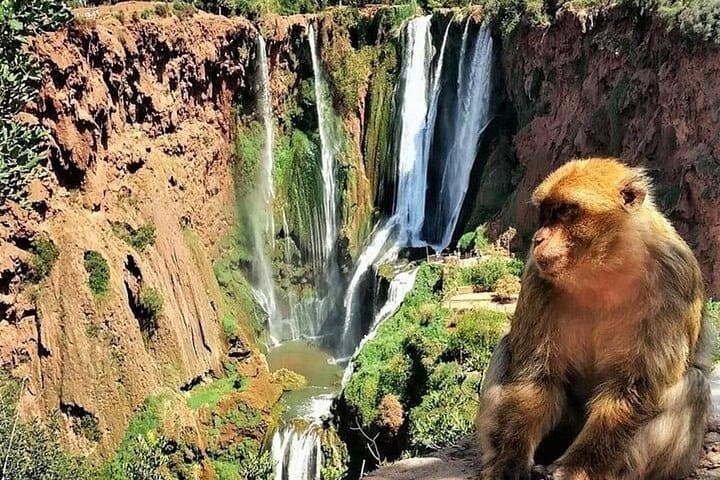
Wildlife is unceremonious. Barbary macaques, clever and opportunistic, patrol the picnic tables and pathways; herons and kingfishers quarter the calmer pools. Guides and signage urge caution—don’t feed the monkeys, secure bags, and keep a respectful distance. Conservation efforts focus on waste reduction and visitor education: the site’s popularity has driven campaigns to limit plastic and support the local economy through regulated guiding.
Practically, the shared day trip from Marrakech is designed for convenience. Expect a round-trip drive of about 3 hours each way, with roughly 2–3 hours on-site for walking, a short boat ride, and breaks for lunch and photos. Trails are a mix of paved lookouts, loose stone, and stepped descents—good hiking shoes and a steady knee are useful. Bring at least 1.5–2 liters of water, sunscreen, and cash for local snacks and tips; a light rain jacket works for cooler months or sudden spray near the base. Early departures beat the crowds and bring crisper light for photos; late afternoon returns catch the valley in warm shadow.
For travelers from Marrakech this is an accessible and sensory day: a blend of riverine power, cultivated hills, and a few lively monkey encounters. With modest planning—proper footwear, sun protection, and a readiness to walk a few uneven kilometers—a day at Ouzoud rewards with plunging water, rainbows in the mist, and a clear sense of how geology and human life meet at the edge of the Atlas.
Expect about 2.5–3 hours each way by minibus depending on traffic; the tour schedules an early departure and return the same day.
No—paths around the falls are generally short and manageable, though there are stone steps and some steep sections; average fitness is sufficient.
Swimming is possible in calm pools but conditions vary; follow local guidance and avoid swimming near strong currents or after heavy rain.
Yes—infant seats are available on request and the trip is considered family-friendly, but parents should supervise children around cliffs and water.
Yes—there are cafés and restroom facilities near the main viewing areas and along the village pathways where you can stop for lunch.
No—feeding or touching Barbary macaques is discouraged for your safety and the animals’ welfare; keep a respectful distance.
TRIP SPIRIT operates guided outdoor trips and adventures with an emphasis on safety, stewardship, and memorable experiences.
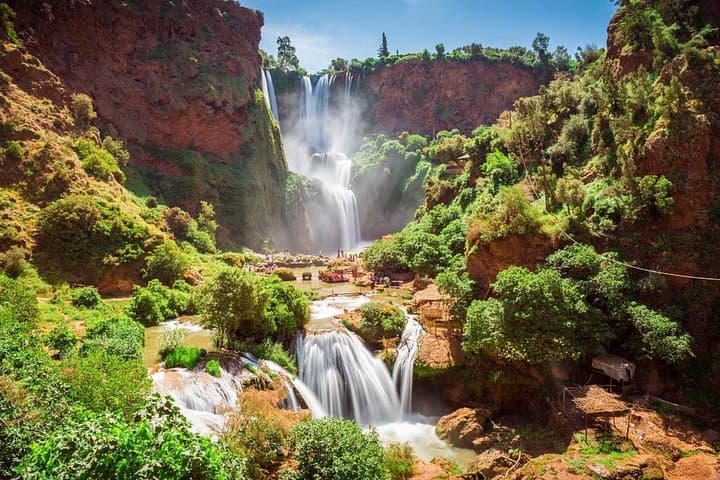
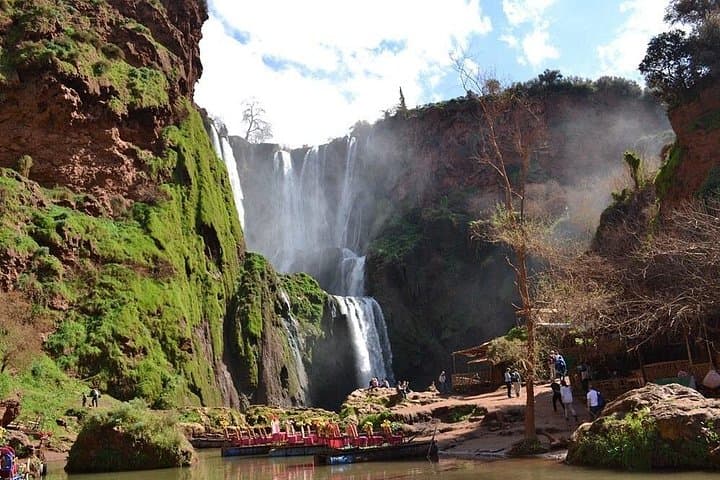
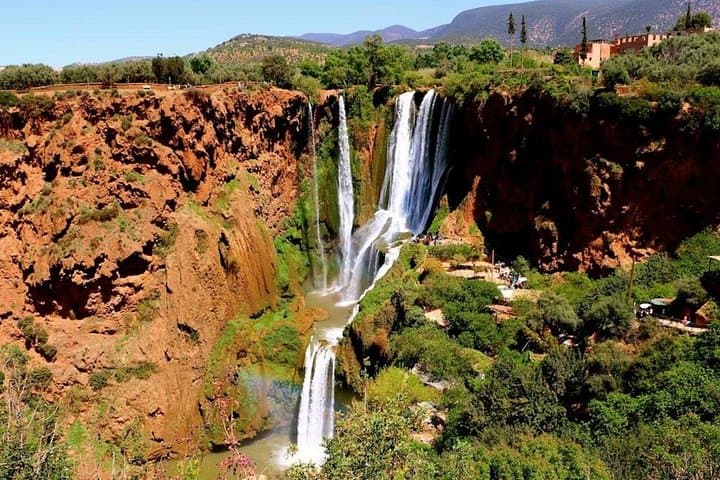
The minibus rolls out of Marrakech before dawn and, as the city’s ochre walls blur into the rearview, the landscape loosens—olive terraces give way to folded ridges and a high, clear light that seems to sharpen the air. By mid-morning the sound changes: not the distant hum of traffic but a steady roar. Ouzoud announces itself with spray and a cool, citrus scent drifting through stands of olive and carob trees. The falls tumble in multiple tiers, the main drop plummeting roughly 110 meters into a plunge pool rimmed by sugar-colored rock. Walks that skirt the rim offer panoramas; a narrow trail curls down to the river and the short boat ride that pulls close to the base, mist daring you to step closer.
The minibus rolls out of Marrakech before dawn and, as the city’s ochre walls blur into the rearview, the landscape loosens—olive terraces give way to folded ridges and a high, clear light that seems to sharpen the air. By mid-morning the sound changes: not the distant hum of traffic but a steady roar. Ouzoud announces itself with spray and a cool, citrus scent drifting through stands of olive and carob trees. The falls tumble in multiple tiers, the main drop plummeting roughly 110 meters into a plunge pool rimmed by sugar-colored rock. Walks that skirt the rim offer panoramas; a narrow trail curls down to the river and the short boat ride that pulls close to the base, mist daring you to step closer.
Geology here is readable: water slicing through Miocene deposits and older sandstone has carved ledges that stage each cascade. The El Abid River owes its drama to seasonal flows—spring runoff swells the falls, while late summer softens their volume to a gentler, shimmering stair. The human history is equally present: Berber villages and centuries of olive cultivation paint the hills, and small mills and terraces testify to an agricultural rhythm unchanged by tourism. Local cafés near the parking terraces serve tajine and mint tea, and vendors sell olives cured in clay jars—a reminder that this is both a natural landmark and a lived landscape.
Wildlife is unceremonious. Barbary macaques, clever and opportunistic, patrol the picnic tables and pathways; herons and kingfishers quarter the calmer pools. Guides and signage urge caution—don’t feed the monkeys, secure bags, and keep a respectful distance. Conservation efforts focus on waste reduction and visitor education: the site’s popularity has driven campaigns to limit plastic and support the local economy through regulated guiding.
Practically, the shared day trip from Marrakech is designed for convenience. Expect a round-trip drive of about 3 hours each way, with roughly 2–3 hours on-site for walking, a short boat ride, and breaks for lunch and photos. Trails are a mix of paved lookouts, loose stone, and stepped descents—good hiking shoes and a steady knee are useful. Bring at least 1.5–2 liters of water, sunscreen, and cash for local snacks and tips; a light rain jacket works for cooler months or sudden spray near the base. Early departures beat the crowds and bring crisper light for photos; late afternoon returns catch the valley in warm shadow.
For travelers from Marrakech this is an accessible and sensory day: a blend of riverine power, cultivated hills, and a few lively monkey encounters. With modest planning—proper footwear, sun protection, and a readiness to walk a few uneven kilometers—a day at Ouzoud rewards with plunging water, rainbows in the mist, and a clear sense of how geology and human life meet at the edge of the Atlas.