THE ADVENTURE COLLECTIVE® · Independent discovery and booking for outdoor travel

Escape Marrakech for the day and trade the medina’s clamor for the steady thunder of Ouzoud Falls. This full-day trip pairs scenic driving across the Haouz plain with cliffside viewpoints, terraces for lunch, and the chance to swim in clear plunge pools.
Escape Marrakech for the day and trade the medina’s clamor for the steady thunder of Ouzoud Falls. This full-day trip pairs scenic driving across the Haouz plain with cliffside viewpoints, terraces for lunch, and the chance to swim in clear plunge pools.
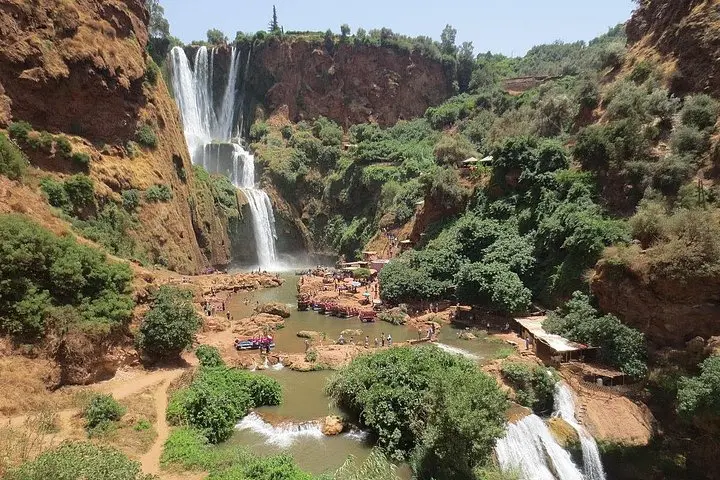
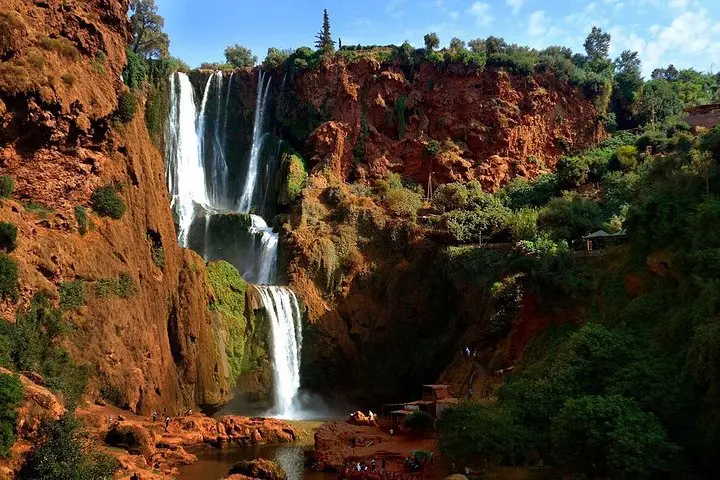
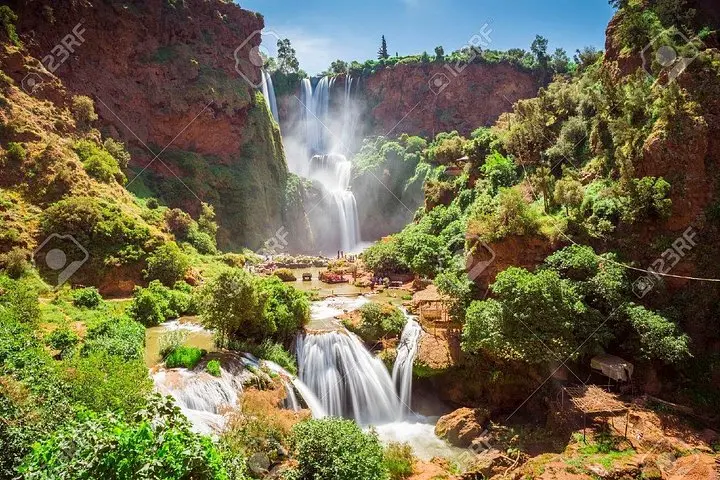
The van slips out of Marrakech as the city is still yawning; a low sun gilds flat fields of wheat and the occasional adobe village. The road climbs, leaving the ochre houses and palm fronds behind, and opens onto a green scar in the Atlas foothills—Ouzoud. The falls announce themselves before you see them: a deep, steady thunder, a mist that cools the roadside. From the viewpoint the cascade drops roughly 110 meters over a honeycombed cliff, dividing into ribbons that catch light and throw it back in spray.
Verified experiences and guided adventures in the surrounding area.
Operated by Morocco Desert VIP · Ouzoud, Azilal
The van slips out of Marrakech as the city is still yawning; a low sun gilds flat fields of wheat and the occasional adobe village. The road climbs, leaving the ochre houses and palm fronds behind, and opens onto a green scar in the Atlas foothills—Ouzoud. The falls announce themselves before you see them: a deep, steady thunder, a mist that cools the roadside. From the viewpoint the cascade drops roughly 110 meters over a honeycombed cliff, dividing into ribbons that catch light and throw it back in spray.
This is a place shaped by water and olive trees. Locals give the cascades a Berber name tied to the surrounding groves; terraces carve the valley and old mills, once powered by the rivers, still squat along the banks. Geologically, the falls spill over resistant limestone and marly layers—over centuries the river has braided the rock into the multiple channels and plunge pools you see today.
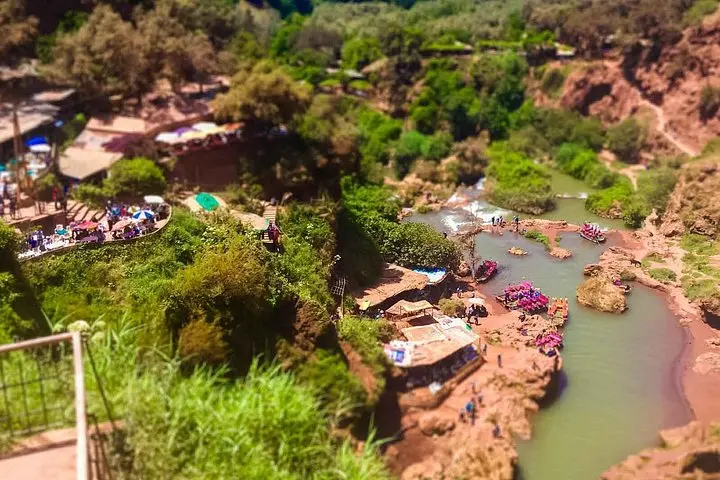
Culture here is quiet and practical. Berber villages line the road from the Haouz plain, and small cafes cling to the cliffside where you can eat tagine to the sound of falling water. The magots—Barbary macaques—are part of the scene: cheeky, opportunistic, and a reminder that this landscape holds wildlife as well as vistas.
The walking circuit around Ouzoud is compact but lively: expect a 2–3 km loop with numerous stone steps and narrow footpaths that descend to riverside pools. Plan on 2–3 hours on site if you want to do the main viewpoints, a riverside walk, and time for a swim in the lower ponds when water levels are safe. Trails are mostly easy but uneven; elevation change on the walking route is roughly 100–150 meters between rim and river.
Practical pointers: wear grippy shoes for wet stone steps, carry a light rain shell for the mist and a daypack with water and snacks. If you plan to swim, bring quick-dry clothing and check with a guide—the pools can be cold and currents variable. Morning visits mean clearer photos and fewer crowds; late afternoon brings warmer light and quieter terraces for lunch.
For travellers based in Marrakech, this is a full-day escape—about 150 km round trip, with scenic driving across the Haouz plain and through Berber settlements. If you go with a private guide or driver you’ll get flexible stops—olive presses in season, viewpoint detours, or a quieter lunch spot.
Leave no trace: don’t feed the macaques, pack out plastic, and follow local guidance on swimming and trail access. With straightforward logistics and a high-impact payoff—water, wildlife, and wide mountain-air—Ouzoud is one of Morocco’s most accessible natural highlights.
Expect about 1.5–2.5 hours each way depending on traffic and route—roughly 150 km round trip with scenic stops.
Yes, there are safe plunge pools lower down, but water is often cold and currents can change—ask a local guide before entering.
Barbary macaques are generally not aggressive but will grab food or loose items; do not feed them and secure belongings.
The site is family-friendly, but note the uneven steps and narrow paths; carers should plan for steady walking and use caution near edges.
Most day trips stop at cliffside cafes or restaurants where you can buy lunch—confirm with your operator if you need special meals included.
Early morning for fewer people and cleaner light; late afternoon gives warm side-light on the falls and quieter terraces.
Morocco Desert VIP operates guided outdoor trips and adventures with an emphasis on safety, stewardship, and memorable experiences.
The van slips out of Marrakech as the city is still yawning; a low sun gilds flat fields of wheat and the occasional adobe village. The road climbs, leaving the ochre houses and palm fronds behind, and opens onto a green scar in the Atlas foothills—Ouzoud. The falls announce themselves before you see them: a deep, steady thunder, a mist that cools the roadside. From the viewpoint the cascade drops roughly 110 meters over a honeycombed cliff, dividing into ribbons that catch light and throw it back in spray.
The van slips out of Marrakech as the city is still yawning; a low sun gilds flat fields of wheat and the occasional adobe village. The road climbs, leaving the ochre houses and palm fronds behind, and opens onto a green scar in the Atlas foothills—Ouzoud. The falls announce themselves before you see them: a deep, steady thunder, a mist that cools the roadside. From the viewpoint the cascade drops roughly 110 meters over a honeycombed cliff, dividing into ribbons that catch light and throw it back in spray.
This is a place shaped by water and olive trees. Locals give the cascades a Berber name tied to the surrounding groves; terraces carve the valley and old mills, once powered by the rivers, still squat along the banks. Geologically, the falls spill over resistant limestone and marly layers—over centuries the river has braided the rock into the multiple channels and plunge pools you see today.
Culture here is quiet and practical. Berber villages line the road from the Haouz plain, and small cafes cling to the cliffside where you can eat tagine to the sound of falling water. The magots—Barbary macaques—are part of the scene: cheeky, opportunistic, and a reminder that this landscape holds wildlife as well as vistas.
The walking circuit around Ouzoud is compact but lively: expect a 2–3 km loop with numerous stone steps and narrow footpaths that descend to riverside pools. Plan on 2–3 hours on site if you want to do the main viewpoints, a riverside walk, and time for a swim in the lower ponds when water levels are safe. Trails are mostly easy but uneven; elevation change on the walking route is roughly 100–150 meters between rim and river.
Practical pointers: wear grippy shoes for wet stone steps, carry a light rain shell for the mist and a daypack with water and snacks. If you plan to swim, bring quick-dry clothing and check with a guide—the pools can be cold and currents variable. Morning visits mean clearer photos and fewer crowds; late afternoon brings warmer light and quieter terraces for lunch.
For travellers based in Marrakech, this is a full-day escape—about 150 km round trip, with scenic driving across the Haouz plain and through Berber settlements. If you go with a private guide or driver you’ll get flexible stops—olive presses in season, viewpoint detours, or a quieter lunch spot.
Leave no trace: don’t feed the macaques, pack out plastic, and follow local guidance on swimming and trail access. With straightforward logistics and a high-impact payoff—water, wildlife, and wide mountain-air—Ouzoud is one of Morocco’s most accessible natural highlights.