THE ADVENTURE COLLECTIVE® · Independent discovery and booking for outdoor travel

A single-day private tour from Marrakech takes you to Ouzoud, Morocco’s tiered waterfall complex. Hike rim trails, meet villagers, and opt for a boat that brings you under the spray for a unique perspective.
A single-day private tour from Marrakech takes you to Ouzoud, Morocco’s tiered waterfall complex. Hike rim trails, meet villagers, and opt for a boat that brings you under the spray for a unique perspective.
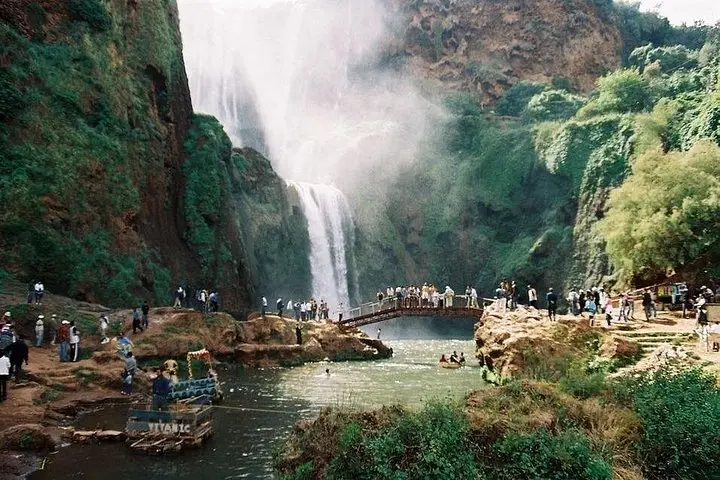
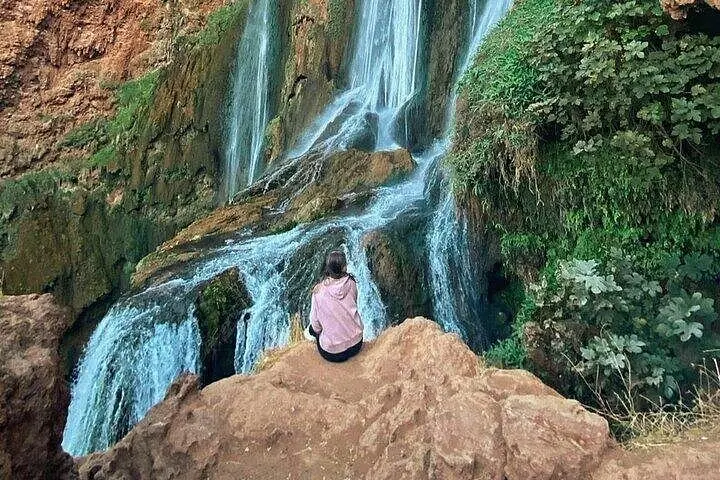
A gravel ribbon of road unwinds from Marrakech at dawn and the Atlas Mountains shrug back into the distance. By midmorning the land has changed — olive groves flank the highway, villages with flat-roofed houses appear, and the sound of rushing water becomes a punctuation in the valley. You step out near the rim and the falls announce themselves not all at once but in tiers: a series of cataracts dropping from a rugged plateau into a green basin below, spray catching the sun like a fine misted veil.
Verified experiences and guided adventures in the surrounding area.
Operated by Tours Excursions Journeys · Ouzoud, Béni Mellal-Khénifra
A gravel ribbon of road unwinds from Marrakech at dawn and the Atlas Mountains shrug back into the distance. By midmorning the land has changed — olive groves flank the highway, villages with flat-roofed houses appear, and the sound of rushing water becomes a punctuation in the valley. You step out near the rim and the falls announce themselves not all at once but in tiers: a series of cataracts dropping from a rugged plateau into a green basin below, spray catching the sun like a fine misted veil.
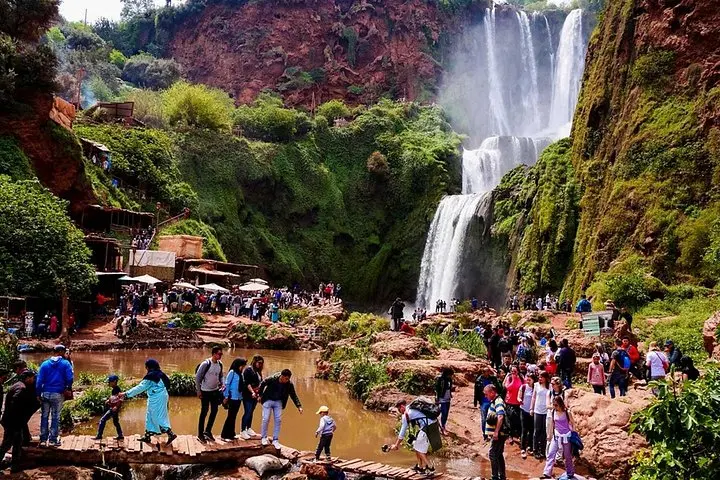
Ouzoud sits in Azilal Province where Miocene-era limestone and red clay have been carved by the El-Abid River into broad steps and plunge pools. The name Ouzoud comes from the Amazigh word for the area; for centuries local farmers in nearby villages have worked terraces beneath these cliffs, tapping springs and grazing goats. Today the falls are a meeting point between village life and tourism — donkeys and small cafes cluster near the paths while cedar and olive trees shade the trails.
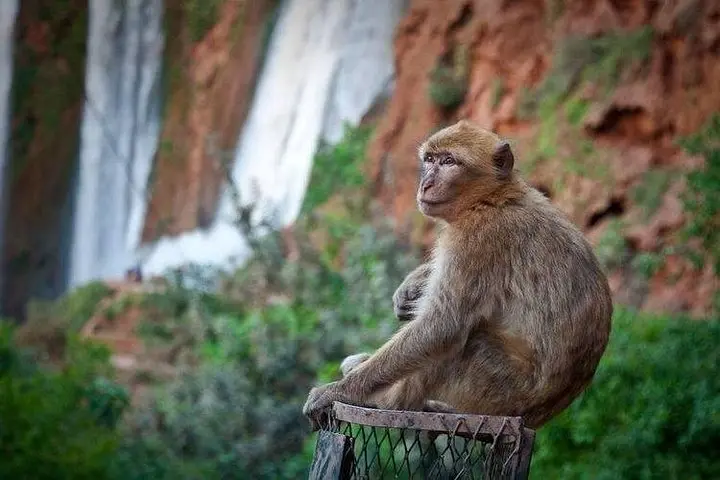
The experience balances easy access with genuine wildness. Several well-built viewpoints track the rim; narrow trails wind down through almond trees to the river. If you choose the boat ride, the small skiffs push close to the base where the water roars and the mist dares you to stand nearer. Monkeys — Barbary macaques — patrol the olive trees and may inspect a camera strap or snack; vendors sell mint tea and fried pastries on stone terraces.
Practical planning is straightforward. From Marrakech the private transfer is roughly a 2.5–3 hour drive each way (about 150 km), which is why this is a full-day outing — expect 7–8 hours total. Wear grippy shoes; the lower paths can be slippery where spray dampens stone. Bring cash for the boat if you want that extra perspective; local operators typically charge on-site. If you’re sensitive to spray or plan to shoot long exposures, pack a lightweight rain shell and a microfiber cloth. Aim to arrive mid-morning to avoid the largest crowds and the hottest sun in summer; late afternoon light is excellent for photos and the walk back along the rim is gentler.
On a private tour you’ll gain tempo and local insight — your guide will point to the best vantage, explain local irrigation and community life, and help arrange the optional boat. For families and travelers who prefer an easier pace, the route is flexible: short walks between viewpoints or a deeper loop toward the river. Ouzoud rewards modest effort: the falls don’t need a long slog to impress, only a readiness to listen to the river push forward and to let the spray reset your sense of scale.
Expect about 2.5–3 hours each way (roughly 150 km) depending on traffic; the tour runs 7–8 hours overall.
The boat ride is optional and typically paid locally; your guide can arrange it during the visit.
Main viewpoints are accessible, and providers note stroller access in flat areas, but lower river paths are steep and may be unsuitable for young children without assistance.
There is no large national park fee, but small local charges for parking, guided services, or boat rides may apply; bring cash for these.
Yes—Barbary macaques are common near the trees and you may spot waterbirds around pools; keep distance and avoid feeding wildlife.
Layered clothing with sun protection in summer and a light jacket for cooler months; wear shoes with good grip for wet paths.
Tours Excursions Journeys operates guided outdoor trips and adventures with an emphasis on safety, stewardship, and memorable experiences.
A gravel ribbon of road unwinds from Marrakech at dawn and the Atlas Mountains shrug back into the distance. By midmorning the land has changed — olive groves flank the highway, villages with flat-roofed houses appear, and the sound of rushing water becomes a punctuation in the valley. You step out near the rim and the falls announce themselves not all at once but in tiers: a series of cataracts dropping from a rugged plateau into a green basin below, spray catching the sun like a fine misted veil.
A gravel ribbon of road unwinds from Marrakech at dawn and the Atlas Mountains shrug back into the distance. By midmorning the land has changed — olive groves flank the highway, villages with flat-roofed houses appear, and the sound of rushing water becomes a punctuation in the valley. You step out near the rim and the falls announce themselves not all at once but in tiers: a series of cataracts dropping from a rugged plateau into a green basin below, spray catching the sun like a fine misted veil.
Ouzoud sits in Azilal Province where Miocene-era limestone and red clay have been carved by the El-Abid River into broad steps and plunge pools. The name Ouzoud comes from the Amazigh word for the area; for centuries local farmers in nearby villages have worked terraces beneath these cliffs, tapping springs and grazing goats. Today the falls are a meeting point between village life and tourism — donkeys and small cafes cluster near the paths while cedar and olive trees shade the trails.
The experience balances easy access with genuine wildness. Several well-built viewpoints track the rim; narrow trails wind down through almond trees to the river. If you choose the boat ride, the small skiffs push close to the base where the water roars and the mist dares you to stand nearer. Monkeys — Barbary macaques — patrol the olive trees and may inspect a camera strap or snack; vendors sell mint tea and fried pastries on stone terraces.
Practical planning is straightforward. From Marrakech the private transfer is roughly a 2.5–3 hour drive each way (about 150 km), which is why this is a full-day outing — expect 7–8 hours total. Wear grippy shoes; the lower paths can be slippery where spray dampens stone. Bring cash for the boat if you want that extra perspective; local operators typically charge on-site. If you’re sensitive to spray or plan to shoot long exposures, pack a lightweight rain shell and a microfiber cloth. Aim to arrive mid-morning to avoid the largest crowds and the hottest sun in summer; late afternoon light is excellent for photos and the walk back along the rim is gentler.
On a private tour you’ll gain tempo and local insight — your guide will point to the best vantage, explain local irrigation and community life, and help arrange the optional boat. For families and travelers who prefer an easier pace, the route is flexible: short walks between viewpoints or a deeper loop toward the river. Ouzoud rewards modest effort: the falls don’t need a long slog to impress, only a readiness to listen to the river push forward and to let the spray reset your sense of scale.