THE ADVENTURE COLLECTIVE® · Independent discovery and booking for outdoor travel

A full-day excursion from Izmir brings Roman ruins and white travertine terraces within reach. This guide previews Hierapolis' history, the geology of Pamukkale’s thermal pools, and practical tips for a smooth visit.
A full-day excursion from Izmir brings Roman ruins and white travertine terraces within reach. This guide previews Hierapolis' history, the geology of Pamukkale’s thermal pools, and practical tips for a smooth visit.
You arrive on a sun-baked plain where white terraces climb like frozen waves against a hot Anatolian sky.
Verified experiences and guided adventures in the surrounding area.
Operated by Gezenthi Travel Agency · Denizli, Denizli
You arrive on a sun-baked plain where white terraces climb like frozen waves against a hot Anatolian sky.
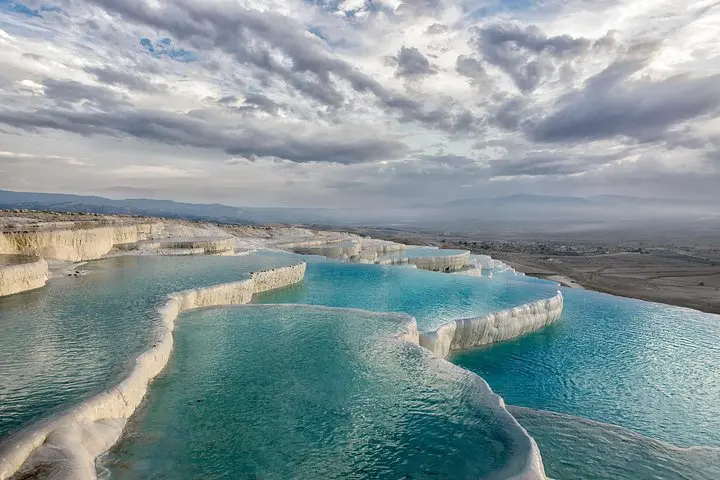
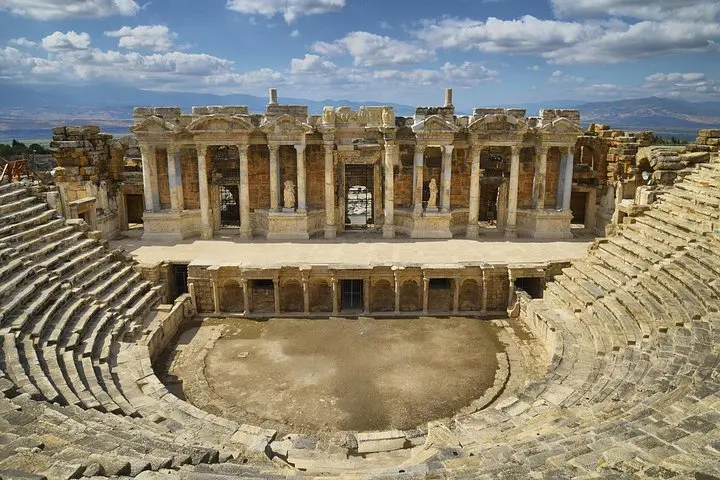
The first steps through Hierapolis take you onto a Roman grid of limestone blocks, where columns still lean and a restored theater watches over the plateau. Walk further and the landscape changes: calcite-rimmed pools tumble down the slope, warm water daring you to dip a toe into a mineral world visitors have prized for millennia.
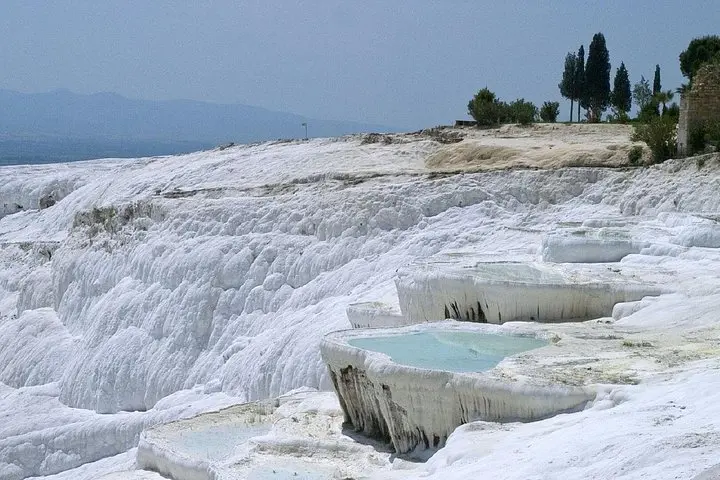
Hierapolis was founded in the Hellenistic era as a healing center; Romans later built baths and a theater. The travertines themselves are geological memoirs—calcium-rich springs depositing layers of travertine over thousands of years, creating stepped pools and pale cliffs. Local culture blends Denizli’s textile and ceramic traditions with a long spa legacy: you’ll see small shops selling handwoven rugs and silver jewelry near the site.
Practical guidance: tours from Izmir are full-day affairs (about 10–12 hours including transport). Expect periods of easy walking on uneven, often wet stone; shoes are removed on terraces to protect the deposits, so bring sandals that slip off. Pack sun protection, water, and a swimsuit if you want to use designated thermal pools or the Cleopatra (antique) pool where admission is separate.
Timing matters—arrive early for softer light and smaller crowds; late afternoon reduces heat. Respect site rules: stay on marked paths, follow guide instructions, and avoid applying lotions before entering pools to protect the travertine and springs.
The transfer is roughly 3–3.5 hours each way by coach, depending on traffic and stops—expect a full-day schedule.
Visitors may enter only designated thermal pools; the terraces themselves require barefoot passage and are not open for general bathing to protect formations.
Yes—Hierapolis is family-friendly and accessible for many ages, though uneven stone and steps require attention and slower pace for mobility-limited visitors.
A valid passport is required on the tour; this particular tour includes the Hierapolis-Pamukkale entry fee in its inclusions.
Gezenthi Travel Agency operates guided outdoor trips and adventures with an emphasis on safety, stewardship, and memorable experiences.
You arrive on a sun-baked plain where white terraces climb like frozen waves against a hot Anatolian sky.
You arrive on a sun-baked plain where white terraces climb like frozen waves against a hot Anatolian sky.
The first steps through Hierapolis take you onto a Roman grid of limestone blocks, where columns still lean and a restored theater watches over the plateau. Walk further and the landscape changes: calcite-rimmed pools tumble down the slope, warm water daring you to dip a toe into a mineral world visitors have prized for millennia.
Hierapolis was founded in the Hellenistic era as a healing center; Romans later built baths and a theater. The travertines themselves are geological memoirs—calcium-rich springs depositing layers of travertine over thousands of years, creating stepped pools and pale cliffs. Local culture blends Denizli’s textile and ceramic traditions with a long spa legacy: you’ll see small shops selling handwoven rugs and silver jewelry near the site.
Practical guidance: tours from Izmir are full-day affairs (about 10–12 hours including transport). Expect periods of easy walking on uneven, often wet stone; shoes are removed on terraces to protect the deposits, so bring sandals that slip off. Pack sun protection, water, and a swimsuit if you want to use designated thermal pools or the Cleopatra (antique) pool where admission is separate.
Timing matters—arrive early for softer light and smaller crowds; late afternoon reduces heat. Respect site rules: stay on marked paths, follow guide instructions, and avoid applying lotions before entering pools to protect the travertine and springs.