THE ADVENTURE COLLECTIVE® · Independent discovery and booking for outdoor travel

Swap Seoul’s skyline for a full day exploring Pohang’s botanical gardens, a cliffside observatory and a dragon-carved temple. This guided roundtrip highlights coastal views, native plants, and cultural history in one long, satisfying day.
Swap Seoul’s skyline for a full day exploring Pohang’s botanical gardens, a cliffside observatory and a dragon-carved temple. This guided roundtrip highlights coastal views, native plants, and cultural history in one long, satisfying day.
Early light on the east coast turns the sea a hard blue, and the bus eases out of Seoul toward Pohang — a long day that trades city noise for trees, cliffs, and temple bells.
Verified experiences and guided adventures in the surrounding area.
Operated by Plus Planner · Pohang, North Gyeongsang
Early light on the east coast turns the sea a hard blue, and the bus eases out of Seoul toward Pohang — a long day that trades city noise for trees, cliffs, and temple bells.
First stop: Gyeongsangbuk-do Arboretum. Paths wind through 24 themed gardens — from alpine rock beds to an Ulleungdo native plant collection — that show how local geology and ocean winds shape plant life. The arboretum’s beds are compact classrooms: needle-leaf groves, wildflower meadows and rare coastal species that adapt to salty air.
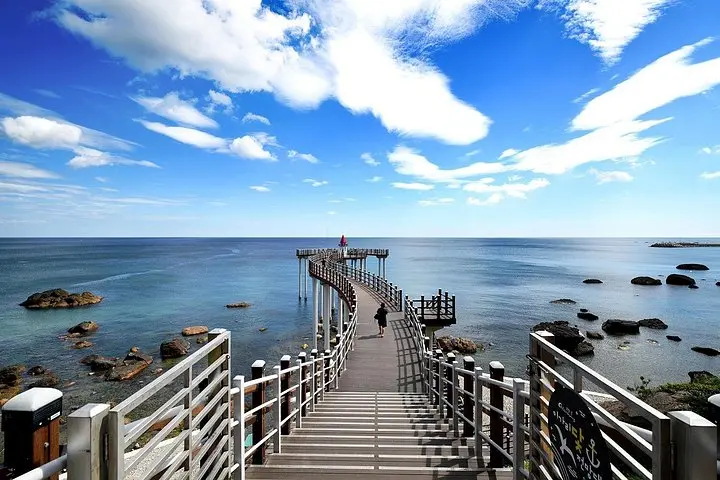
A short drive brings you to the Igari Anchor Observatory, a dramatic platform shaped like an anchor that juts toward the horizon. The ocean here feels alive — currents and wind daring you to hold your camera steady as waves push sound up the cliffs.
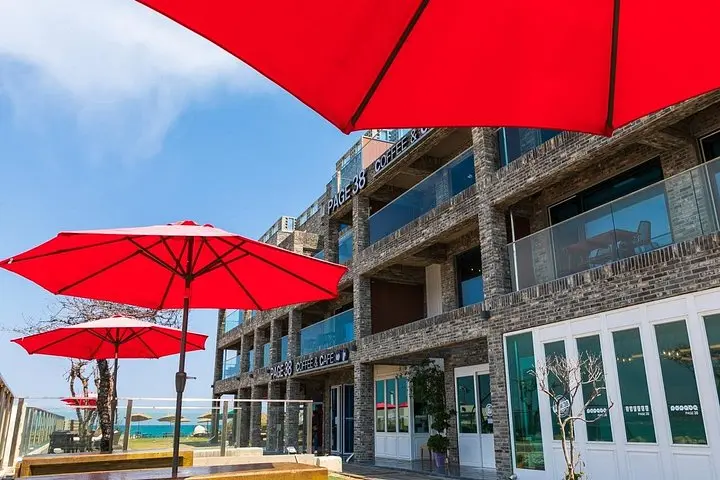
Page38 Café offers a pause: vintage interiors, strong coffee and a view that frames Pohang’s working harbor and seasonal light.
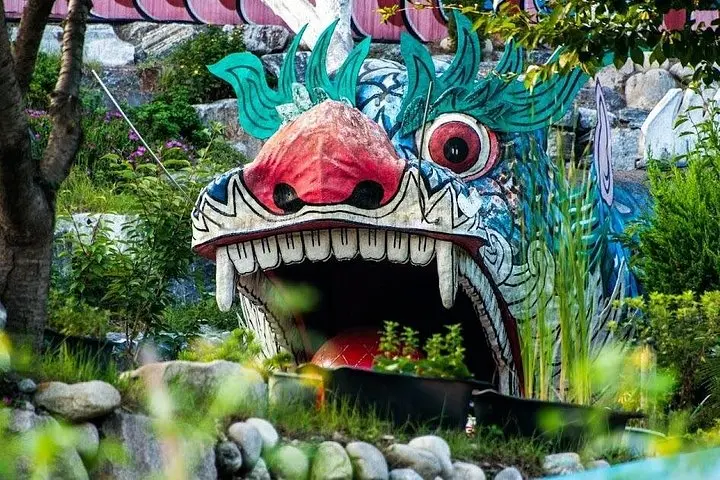
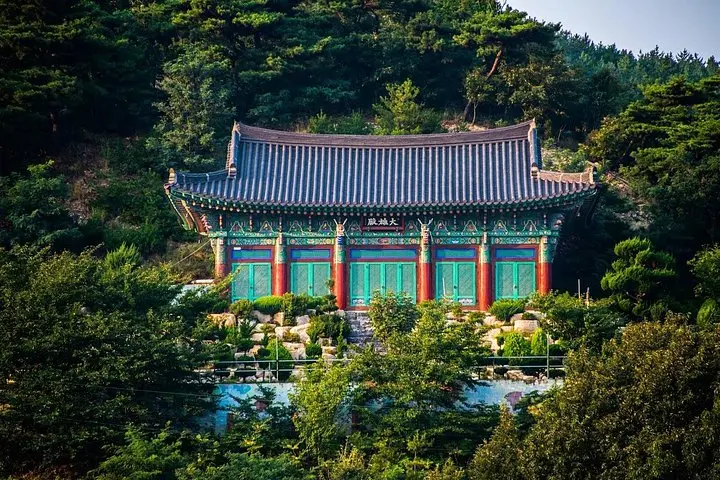
The day finishes at Daewonsa (Dragon Temple), a mid-20th-century complex with winding dragon sculptures carved into the slope. It’s a place where modern Korean history, Buddhism and mountain geography meet — stone steps climbing through mixed forest to halls lined with cultural relics.
Practical notes: expect a long roundtrip (15–16 hours total), mostly seated travel with several short walks at each stop. Wear sturdy shoes for uneven garden paths and the temple approach, bring windproof layers for the coast, and plan for limited time at each site. Hydrate on the bus, charge your camera, and leave room in your schedule for sea air and slow observation — the pace here rewards attention more than speed.
Roundtrip travel time is long — the full tour runs about 15–16 hours including transfers, site visits, and rest stops.
Yes; roundtrip bus transportation and entrance fees listed in the itinerary are included in the tour price.
The tour is marked easy but includes long bus rides and some walking; infants must sit on laps and those with serious mobility or cardiovascular issues should avoid it.
An English-speaking guide is provided on the tour.
Plus Planner operates guided outdoor trips and adventures with an emphasis on safety, stewardship, and memorable experiences.
Early light on the east coast turns the sea a hard blue, and the bus eases out of Seoul toward Pohang — a long day that trades city noise for trees, cliffs, and temple bells.
Early light on the east coast turns the sea a hard blue, and the bus eases out of Seoul toward Pohang — a long day that trades city noise for trees, cliffs, and temple bells.
First stop: Gyeongsangbuk-do Arboretum. Paths wind through 24 themed gardens — from alpine rock beds to an Ulleungdo native plant collection — that show how local geology and ocean winds shape plant life. The arboretum’s beds are compact classrooms: needle-leaf groves, wildflower meadows and rare coastal species that adapt to salty air.
A short drive brings you to the Igari Anchor Observatory, a dramatic platform shaped like an anchor that juts toward the horizon. The ocean here feels alive — currents and wind daring you to hold your camera steady as waves push sound up the cliffs.
Page38 Café offers a pause: vintage interiors, strong coffee and a view that frames Pohang’s working harbor and seasonal light.
The day finishes at Daewonsa (Dragon Temple), a mid-20th-century complex with winding dragon sculptures carved into the slope. It’s a place where modern Korean history, Buddhism and mountain geography meet — stone steps climbing through mixed forest to halls lined with cultural relics.
Practical notes: expect a long roundtrip (15–16 hours total), mostly seated travel with several short walks at each stop. Wear sturdy shoes for uneven garden paths and the temple approach, bring windproof layers for the coast, and plan for limited time at each site. Hydrate on the bus, charge your camera, and leave room in your schedule for sea air and slow observation — the pace here rewards attention more than speed.