THE ADVENTURE COLLECTIVE® · Independent discovery and booking for outdoor travel

A full‑day journey from Lisbon to Porto that combines steep, panoramic streets, baroque churches, a riverside lunch on the Douro and an optional Port wine cellar tasting. Expect a long but manageable day with crisp urban scenery and heritage highlights.
A full‑day journey from Lisbon to Porto that combines steep, panoramic streets, baroque churches, a riverside lunch on the Douro and an optional Port wine cellar tasting. Expect a long but manageable day with crisp urban scenery and heritage highlights.
You arrive at dawn in an air‑conditioned minibus, the highway unspooling west toward the Douro. Crossing the Ponte do Infante, the city unfolds—steep granite streets dropping to the river, colorful façades pressed against the water, the iron ribs of the Dom Luís I bridge standing like a machine built to frame views.
Verified experiences and guided adventures in the surrounding area.
Operated by YTours · Porto, Porto District
You arrive at dawn in an air‑conditioned minibus, the highway unspooling west toward the Douro. Crossing the Ponte do Infante, the city unfolds—steep granite streets dropping to the river, colorful façades pressed against the water, the iron ribs of the Dom Luís I bridge standing like a machine built to frame views.
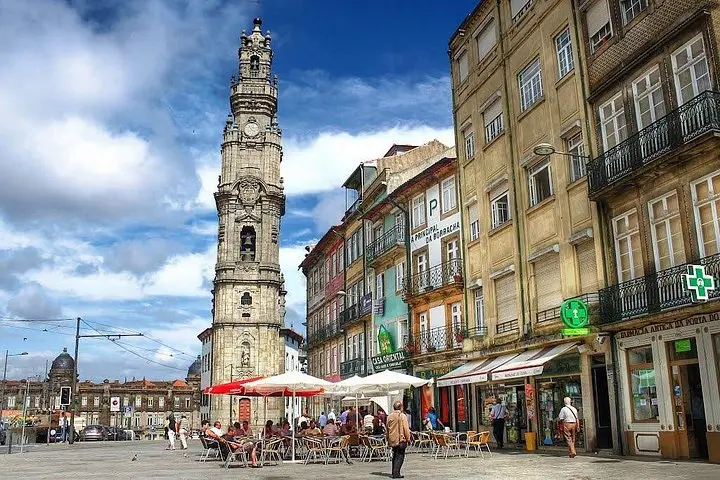
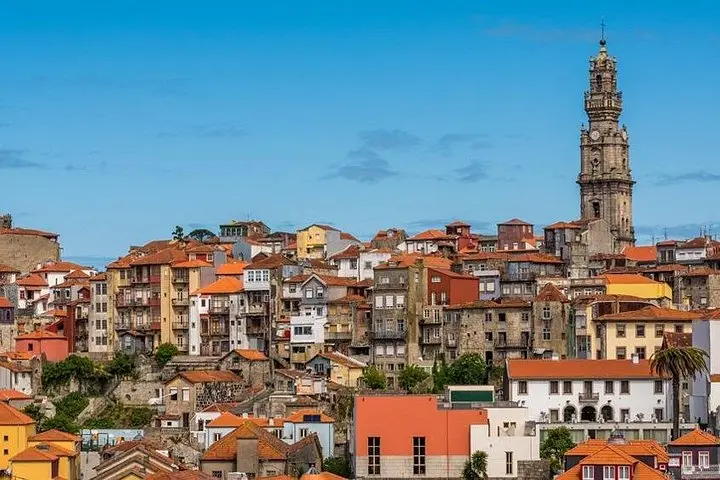
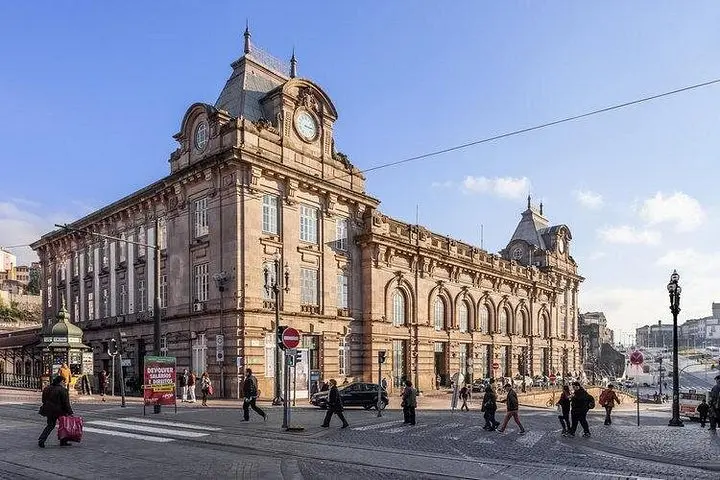
Porto’s story is visible at every stop. Roman and medieval trade routes shaped the grid; 14th‑century churches and 18th‑century baroque interiors speak to its mercantile wealth. The São Bento station’s blue azulejos chart provincial life, while the Clérigos Tower punctuates the skyline. Geologically, the city sits on hard granite spurs carved by the Douro, creating abrupt streets and lookout terraces that reward short, steep climbs.
You’ll walk the Ribeira, peer across to Vila Nova de Gaia’s row of port cellars, and have the option for a 50‑minute Douro river cruise that lets currents and city façades set the pace. A cellar visit and tasting close the loop between landscape, labor and a wine style created here.
Practical edge: this is an 11–12 hour day with light walking but many cobbled steps—comfortable shoes and layered clothing matter more than alpine fitness. Bring passport or ID for cellar entry, a reusable water bottle, and a small daypack. Timing matters—start early to beat crowds at São Bento and the bridge, and allow time for lunch on the riverside. With a private guide option (min. 4), the route can be paced to match mobility and interests.
Yes—most cellars require photo ID (passport or EU national ID) for tastings and entry.
The cruise is optional in most itineraries; check with the guide on the day or book it in advance if you prefer a guaranteed spot.
Yes—there’s typically a 60‑minute window on the riverside for lunch; your guide can recommend places and reserve when possible.
The operator notes stroller access and infant seats are available, but expect cobbled streets and steps that may limit mobility in some areas.
YTours operates guided outdoor trips and adventures with an emphasis on safety, stewardship, and memorable experiences.
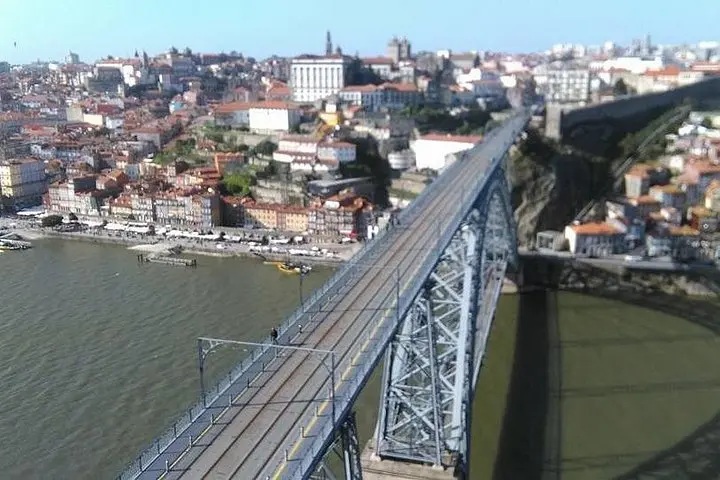
You arrive at dawn in an air‑conditioned minibus, the highway unspooling west toward the Douro. Crossing the Ponte do Infante, the city unfolds—steep granite streets dropping to the river, colorful façades pressed against the water, the iron ribs of the Dom Luís I bridge standing like a machine built to frame views.
You arrive at dawn in an air‑conditioned minibus, the highway unspooling west toward the Douro. Crossing the Ponte do Infante, the city unfolds—steep granite streets dropping to the river, colorful façades pressed against the water, the iron ribs of the Dom Luís I bridge standing like a machine built to frame views.
Porto’s story is visible at every stop. Roman and medieval trade routes shaped the grid; 14th‑century churches and 18th‑century baroque interiors speak to its mercantile wealth. The São Bento station’s blue azulejos chart provincial life, while the Clérigos Tower punctuates the skyline. Geologically, the city sits on hard granite spurs carved by the Douro, creating abrupt streets and lookout terraces that reward short, steep climbs.
You’ll walk the Ribeira, peer across to Vila Nova de Gaia’s row of port cellars, and have the option for a 50‑minute Douro river cruise that lets currents and city façades set the pace. A cellar visit and tasting close the loop between landscape, labor and a wine style created here.
Practical edge: this is an 11–12 hour day with light walking but many cobbled steps—comfortable shoes and layered clothing matter more than alpine fitness. Bring passport or ID for cellar entry, a reusable water bottle, and a small daypack. Timing matters—start early to beat crowds at São Bento and the bridge, and allow time for lunch on the riverside. With a private guide option (min. 4), the route can be paced to match mobility and interests.