THE ADVENTURE COLLECTIVE® · Independent discovery and booking for outdoor travel

Swap city noise for steam and spray on a day trip from Thessaloniki to Loutra Pozar and Edessa. Soak in steady 37°C springs beneath Voras Mountain, then witness Karanos—the largest waterfall in Greece—tumbling through limestone cliffs.
Swap city noise for steam and spray on a day trip from Thessaloniki to Loutra Pozar and Edessa. Soak in steady 37°C springs beneath Voras Mountain, then witness Karanos—the largest waterfall in Greece—tumbling through limestone cliffs.
You leave Thessaloniki on a crisp road that climbs toward Voras Mountain, the air changing from city heat to a pine-scented hush. At Loutra Pozar the steam meets cold mountain air—boulders and terraces funnel warm, mineral-rich water into stone pools that breathe mist. Later, in Edessa the river takes over: water hurls itself from cliffs in curtains and plumes, the Karanos fall roaring like a challenge to anyone who thinks nature can be tame.
Verified experiences and guided adventures in the surrounding area.
Operated by Salty Soil · Aridaia, Central Macedonia
You leave Thessaloniki on a crisp road that climbs toward Voras Mountain, the air changing from city heat to a pine-scented hush. At Loutra Pozar the steam meets cold mountain air—boulders and terraces funnel warm, mineral-rich water into stone pools that breathe mist. Later, in Edessa the river takes over: water hurls itself from cliffs in curtains and plumes, the Karanos fall roaring like a challenge to anyone who thinks nature can be tame.
Geology here is obvious: tectonic heat plus groundwater creates steady 37°C springs at roughly 390 m elevation, while the waterfall terraces at Edessa were carved by persistent runoff over limestone and conglomerate rock. Historically, Edessa served as an early Macedonian capital and a strategic stronghold; the baths carried a long local reputation for therapeutic benefits and village life that orients around the springs and waterways.
Expect a relaxed day with short walks rather than a strenuous trek—soak times, viewpoints, and a possible village lunch compose the itinerary. Practical pointers: arrive with swimwear and quick-dry layers, bring a towel or rent locally, and wear sturdy shoes for wet, slippery paths near the falls. Photography is best mid-morning or late afternoon when light sculpts the mist. Respect posted signs—some pools and ledges are protected—and carry a small daypack with water, sunscreen, and a waterproof phone pocket. Whether you seek calm in warm mineral pools or the raw spectacle of Greece’s largest waterfall, this shared-minivan day trip pairs restorative quiet with dramatic water and easy logistics.
The tour is approximately 8 hours; departures are typically early morning with return to Thessaloniki in the late afternoon.
Soaking is included as the main stop according to the itinerary, but optional services like private spa treatments may cost extra—confirm with the operator.
The tour is labeled suitable for all fitness levels; pools and many viewpoints are accessible, but some paths and viewpoints near the falls involve steps or uneven ground.
Yes—there’s usually a stop at a village for lunch and allocated time at the baths and waterfall viewpoints for photography and exploration.
Salty Soil operates guided outdoor trips and adventures with an emphasis on safety, stewardship, and memorable experiences.
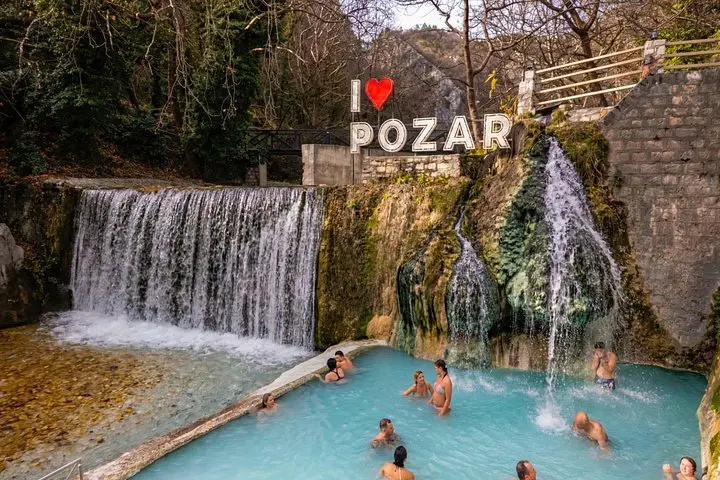
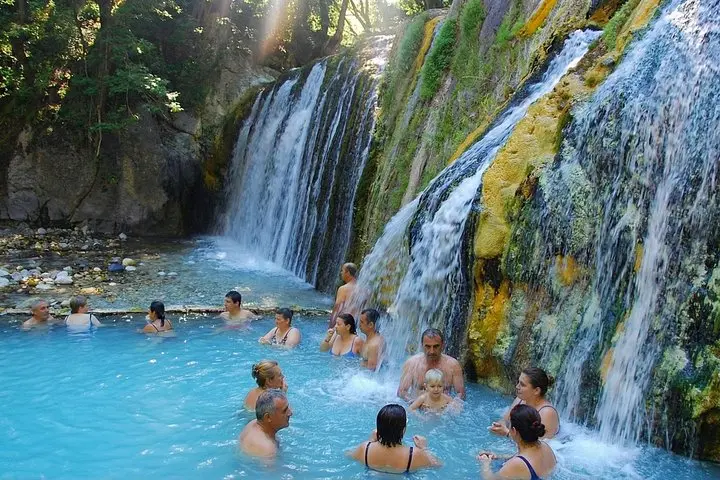
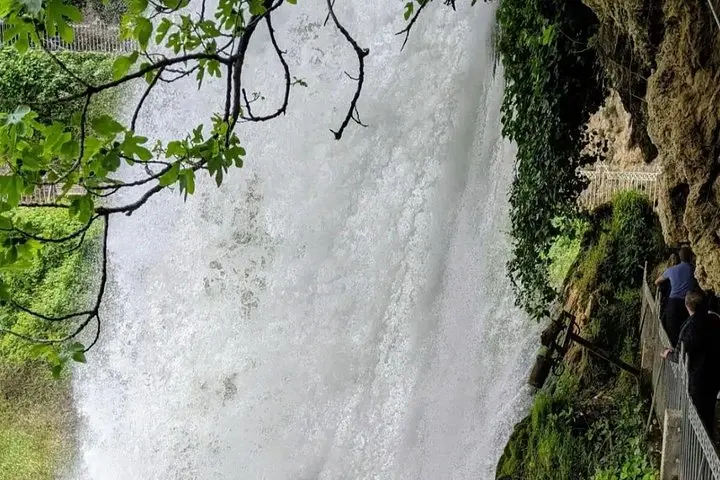
You leave Thessaloniki on a crisp road that climbs toward Voras Mountain, the air changing from city heat to a pine-scented hush. At Loutra Pozar the steam meets cold mountain air—boulders and terraces funnel warm, mineral-rich water into stone pools that breathe mist. Later, in Edessa the river takes over: water hurls itself from cliffs in curtains and plumes, the Karanos fall roaring like a challenge to anyone who thinks nature can be tame.
You leave Thessaloniki on a crisp road that climbs toward Voras Mountain, the air changing from city heat to a pine-scented hush. At Loutra Pozar the steam meets cold mountain air—boulders and terraces funnel warm, mineral-rich water into stone pools that breathe mist. Later, in Edessa the river takes over: water hurls itself from cliffs in curtains and plumes, the Karanos fall roaring like a challenge to anyone who thinks nature can be tame.
Geology here is obvious: tectonic heat plus groundwater creates steady 37°C springs at roughly 390 m elevation, while the waterfall terraces at Edessa were carved by persistent runoff over limestone and conglomerate rock. Historically, Edessa served as an early Macedonian capital and a strategic stronghold; the baths carried a long local reputation for therapeutic benefits and village life that orients around the springs and waterways.
Expect a relaxed day with short walks rather than a strenuous trek—soak times, viewpoints, and a possible village lunch compose the itinerary. Practical pointers: arrive with swimwear and quick-dry layers, bring a towel or rent locally, and wear sturdy shoes for wet, slippery paths near the falls. Photography is best mid-morning or late afternoon when light sculpts the mist. Respect posted signs—some pools and ledges are protected—and carry a small daypack with water, sunscreen, and a waterproof phone pocket. Whether you seek calm in warm mineral pools or the raw spectacle of Greece’s largest waterfall, this shared-minivan day trip pairs restorative quiet with dramatic water and easy logistics.