THE ADVENTURE COLLECTIVE® · Independent discovery and booking for outdoor travel

Follow mountain roads from Baku into Quba’s cool foothills for a private six-hour tour of forests, waterfalls and Red Town — the largest Mountain Jewish settlement in the former Soviet Union. This easy-paced day blends natural highlights with local history and short walks.
Follow mountain roads from Baku into Quba’s cool foothills for a private six-hour tour of forests, waterfalls and Red Town — the largest Mountain Jewish settlement in the former Soviet Union. This easy-paced day blends natural highlights with local history and short walks.
You arrive on a mountain road that climbs the northeastern slopes of Shahdag; the air feels cooler at 600 metres and the Kudyal River runs like a nervous line through the valley, daring you to follow. Trees press close on the approach to Qechresh forest, where sunlight spots the path and birds keep time. The day unfolds as a sequence of short walks and lookouts — Quba’s distinct painted houses, the low stone synagogues of Red Town across the Kudyal, a forested lunch spot, then the splash and spray of Mestdergah Waterfall and the quiet bowl of Chenlibel Lake.
Verified experiences and guided adventures in the surrounding area.
Operated by Azerbaijanguide.az · Quba, Quba Rayon
You arrive on a mountain road that climbs the northeastern slopes of Shahdag; the air feels cooler at 600 metres and the Kudyal River runs like a nervous line through the valley, daring you to follow. Trees press close on the approach to Qechresh forest, where sunlight spots the path and birds keep time. The day unfolds as a sequence of short walks and lookouts — Quba’s distinct painted houses, the low stone synagogues of Red Town across the Kudyal, a forested lunch spot, then the splash and spray of Mestdergah Waterfall and the quiet bowl of Chenlibel Lake.
Quba’s story is written in its people and landscape: a mountain town with a long carpet-weaving tradition and a unique Mountain Jewish settlement often called Red Town — one of the region’s rare surviving shtetls. Geologically, these slopes are foothills of the Greater Caucasus, carved by rivers and glacial action into steep valleys and terraces that feed clear streams and waterfalls.
Practical guidance keeps the trip simple: this private, six-hour tour moves at an easy pace with short, mostly flat walks; expect uneven ground near the waterfall and puddles after rain. Wear sturdy footwear, bring a light waterproof layer and insect repellent, and plan for variable temperatures. The Shahdag Mountain complex is a scenic stop but operates seasonally — check opening dates. Pack water and small cash for local vendors, and give a little extra time for photo stops. This is a compact day designed to show Quba’s natural rhythms and cultural pockets without a strenuous hike — ideal for travelers who want a concentrated taste of the Caucasus in a single day.
Yes — the tour includes hotel pickup and drop-off; confirm your pickup point at booking.
Yes — the operator lists the tour as wheelchair and stroller accessible and suitable for all fitness levels, though some short uneven paths near the waterfall may be encountered.
Most stops involve short walks of 10–30 minutes on mostly flat terrain; the waterfall viewpoint may have steeper, wetter sections.
The complex operates seasonally and is closed for several months each year; the guide recommends checking current opening dates before travel.
Azerbaijanguide.az operates guided outdoor trips and adventures with an emphasis on safety, stewardship, and memorable experiences.
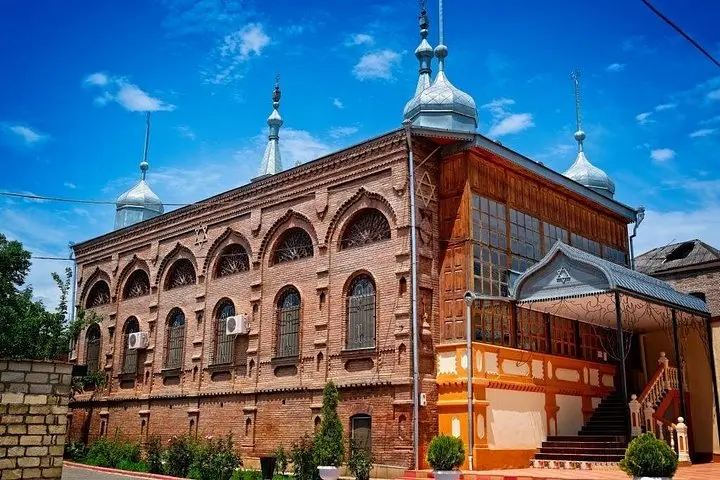
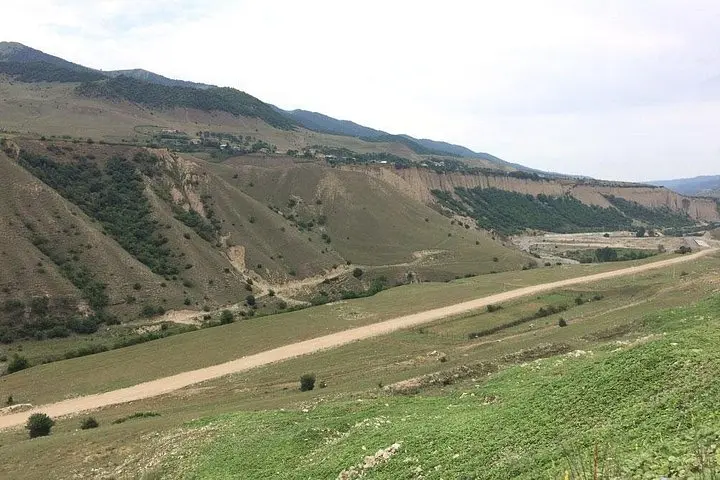
You arrive on a mountain road that climbs the northeastern slopes of Shahdag; the air feels cooler at 600 metres and the Kudyal River runs like a nervous line through the valley, daring you to follow. Trees press close on the approach to Qechresh forest, where sunlight spots the path and birds keep time. The day unfolds as a sequence of short walks and lookouts — Quba’s distinct painted houses, the low stone synagogues of Red Town across the Kudyal, a forested lunch spot, then the splash and spray of Mestdergah Waterfall and the quiet bowl of Chenlibel Lake.
You arrive on a mountain road that climbs the northeastern slopes of Shahdag; the air feels cooler at 600 metres and the Kudyal River runs like a nervous line through the valley, daring you to follow. Trees press close on the approach to Qechresh forest, where sunlight spots the path and birds keep time. The day unfolds as a sequence of short walks and lookouts — Quba’s distinct painted houses, the low stone synagogues of Red Town across the Kudyal, a forested lunch spot, then the splash and spray of Mestdergah Waterfall and the quiet bowl of Chenlibel Lake.
Quba’s story is written in its people and landscape: a mountain town with a long carpet-weaving tradition and a unique Mountain Jewish settlement often called Red Town — one of the region’s rare surviving shtetls. Geologically, these slopes are foothills of the Greater Caucasus, carved by rivers and glacial action into steep valleys and terraces that feed clear streams and waterfalls.
Practical guidance keeps the trip simple: this private, six-hour tour moves at an easy pace with short, mostly flat walks; expect uneven ground near the waterfall and puddles after rain. Wear sturdy footwear, bring a light waterproof layer and insect repellent, and plan for variable temperatures. The Shahdag Mountain complex is a scenic stop but operates seasonally — check opening dates. Pack water and small cash for local vendors, and give a little extra time for photo stops. This is a compact day designed to show Quba’s natural rhythms and cultural pockets without a strenuous hike — ideal for travelers who want a concentrated taste of the Caucasus in a single day.