THE ADVENTURE COLLECTIVE® · Independent discovery and booking for outdoor travel

Follow a milky-blue river through cloud forest on a full-day hike from San José to Río Celeste, then soak in volcanic-heated springs. This practical guide covers what to expect on trails, the science behind the river’s color, and essential planning tips.
Follow a milky-blue river through cloud forest on a full-day hike from San José to Río Celeste, then soak in volcanic-heated springs. This practical guide covers what to expect on trails, the science behind the river’s color, and essential planning tips.
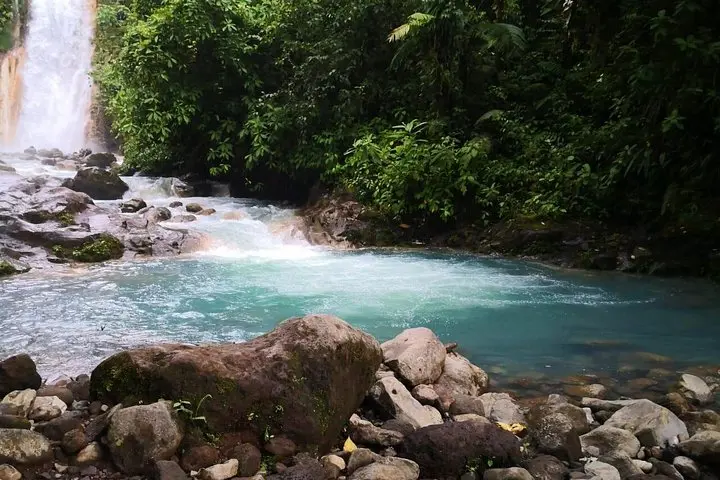
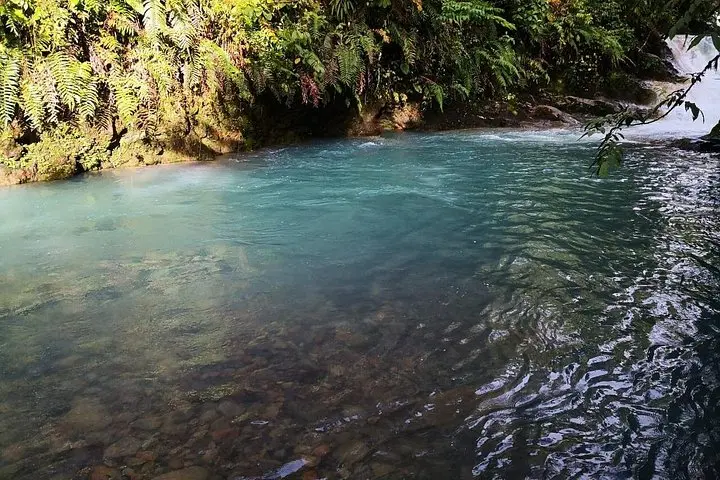
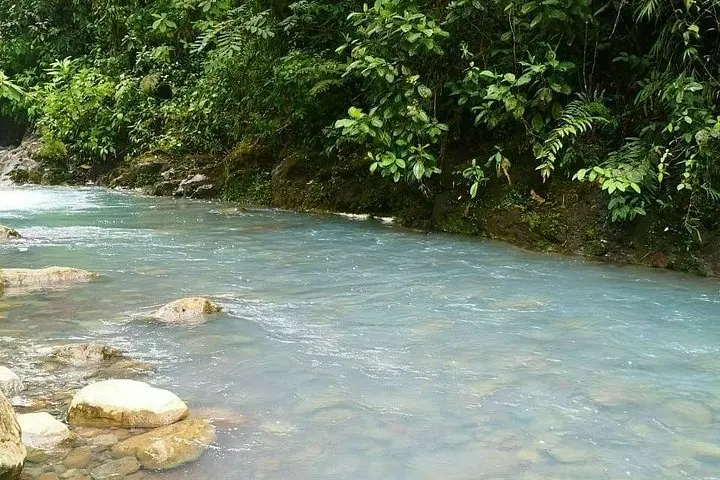
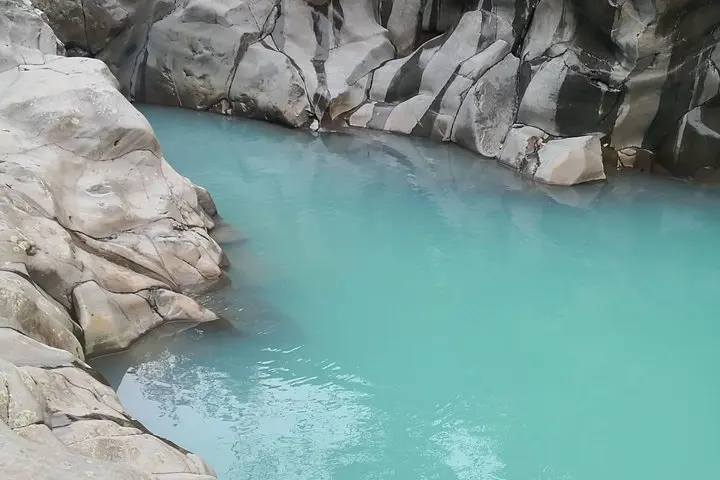
You step off the van into a humid corridor of green where the air tastes faintly of mineral and earth. The trail ahead threads through primary rainforest, under hanging ferns and across wooden bridges that sway with each footfall. Ahead, the river announces itself — a startling, milky-blue ribbon that seems to dare you to follow it upstream.
Verified experiences and guided adventures in the surrounding area.
Operated by Costa Rica Itinerary · Bajos del Toro, Alajuela
You step off the van into a humid corridor of green where the air tastes faintly of mineral and earth. The trail ahead threads through primary rainforest, under hanging ferns and across wooden bridges that sway with each footfall. Ahead, the river announces itself — a startling, milky-blue ribbon that seems to dare you to follow it upstream.
Río Celeste’s color is not folklore but chemistry: light scattering on suspended colloidal aluminum silicate and mineral precipitates formed where two streams meet near Tenorio Volcano. The area around Bajos del Toro and Tenorio reflects recent volcanism and long-term erosion — steep ravines, waterfalls carved in volcanic rock, and thermal springs fed by subsurface heat. Local communities around Alajuela mix small-scale agriculture with guiding and hospitality, and guides often share natural-history notes passed down through generations.
Practically, expect a full-day outing: a 2–3 hour drive from San José, a 2–3 hour moderate out-and-back hike on rainforest trails with boardwalks and some slick roots, plus time at a naturally heated pool. Trails are well-marked but can be muddy; water crossings and viewpoint stairs are common. Guides typically include bottled water and lunch and will brief you on safety around thermal pools and protected zones. Bring sturdy, grippy footwear, rain protection, swimwear, and cash for small souvenirs. Move deliberately on wet rock, give wildlife space, and leave no trace — the blue river is fragile and depends on healthy forest upstream.
The walking portion is about 2–3 hours round-trip along marked rainforest trails; this tour includes a professional guide.
Swimming in Río Celeste is restricted in parts to protect the river’s chemistry and vegetation; swimming is typically allowed in designated hot-spring pools, not along the protected blue channel.
Older children who can manage uneven trails and stairs should be fine; very young children may find the hike tiring—check age policies with the operator.
Expect wet sections; bring a rain jacket, quick-dry clothing, and footwear with good traction. Trekking poles can help through slippery sections.
Costa Rica Itinerary operates guided outdoor trips and adventures with an emphasis on safety, stewardship, and memorable experiences.
You step off the van into a humid corridor of green where the air tastes faintly of mineral and earth. The trail ahead threads through primary rainforest, under hanging ferns and across wooden bridges that sway with each footfall. Ahead, the river announces itself — a startling, milky-blue ribbon that seems to dare you to follow it upstream.
You step off the van into a humid corridor of green where the air tastes faintly of mineral and earth. The trail ahead threads through primary rainforest, under hanging ferns and across wooden bridges that sway with each footfall. Ahead, the river announces itself — a startling, milky-blue ribbon that seems to dare you to follow it upstream.
Río Celeste’s color is not folklore but chemistry: light scattering on suspended colloidal aluminum silicate and mineral precipitates formed where two streams meet near Tenorio Volcano. The area around Bajos del Toro and Tenorio reflects recent volcanism and long-term erosion — steep ravines, waterfalls carved in volcanic rock, and thermal springs fed by subsurface heat. Local communities around Alajuela mix small-scale agriculture with guiding and hospitality, and guides often share natural-history notes passed down through generations.
Practically, expect a full-day outing: a 2–3 hour drive from San José, a 2–3 hour moderate out-and-back hike on rainforest trails with boardwalks and some slick roots, plus time at a naturally heated pool. Trails are well-marked but can be muddy; water crossings and viewpoint stairs are common. Guides typically include bottled water and lunch and will brief you on safety around thermal pools and protected zones. Bring sturdy, grippy footwear, rain protection, swimwear, and cash for small souvenirs. Move deliberately on wet rock, give wildlife space, and leave no trace — the blue river is fragile and depends on healthy forest upstream.