THE ADVENTURE COLLECTIVE® · Independent discovery and booking for outdoor travel

Escape Marrakech for a full-day coastal ride to Safi—a working harbor town known for bold ceramics, lively fish markets and a compact blue-and-white medina. This one-day trip packs history, hands-on craft culture and an unbeatable seafood lunch into a 10‑hour outing.
Escape Marrakech for a full-day coastal ride to Safi—a working harbor town known for bold ceramics, lively fish markets and a compact blue-and-white medina. This one-day trip packs history, hands-on craft culture and an unbeatable seafood lunch into a 10‑hour outing.
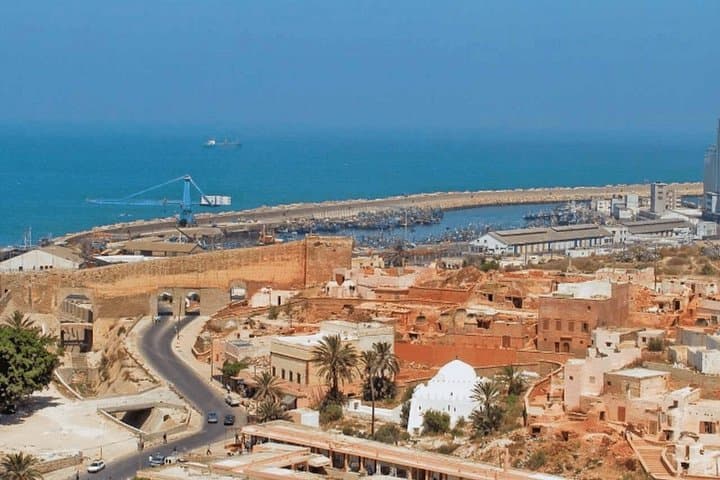
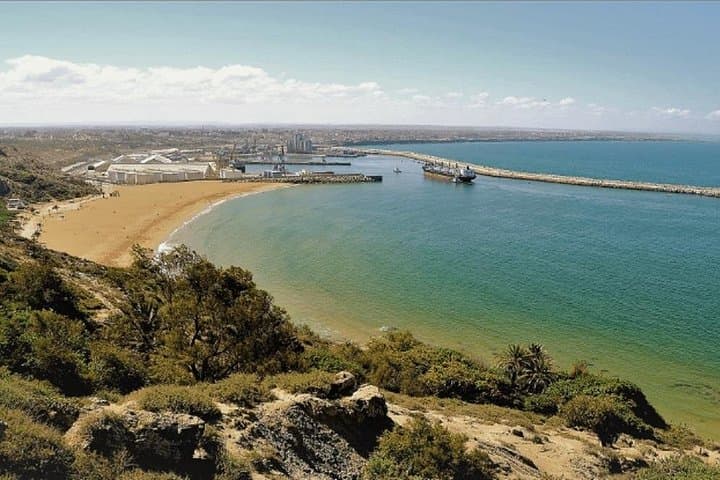
The road south from Marrakech loosens the city’s heat and, after an hour of scrub and low hills, the Atlantic horizon appears—grey and wide, then cut by the squat towers of Safi’s old port. Arrive mid-morning and the harbor hums: fishing boats bob, gulls wheel, and the medina’s blue-and-white facades throw sharp light across the alleys.
Verified experiences and guided adventures in the surrounding area.
Operated by Morocco lifetime Tours · Safi, Marrakesh-Safi
The road south from Marrakech loosens the city’s heat and, after an hour of scrub and low hills, the Atlantic horizon appears—grey and wide, then cut by the squat towers of Safi’s old port. Arrive mid-morning and the harbor hums: fishing boats bob, gulls wheel, and the medina’s blue-and-white facades throw sharp light across the alleys.
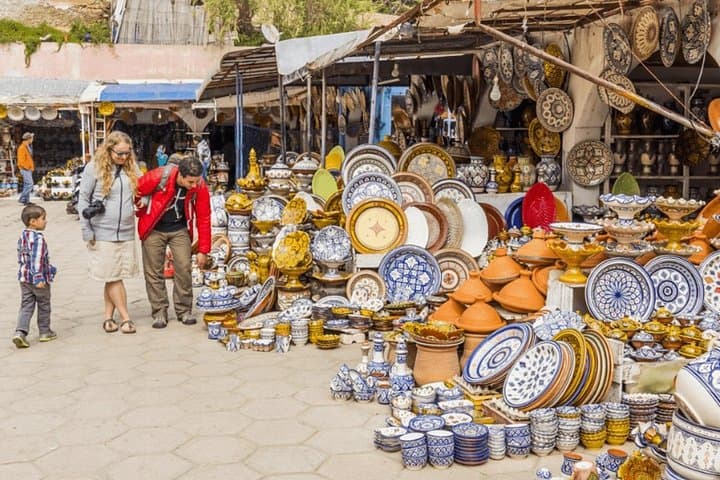
Safi’s identity is practical and weathered. The town grew as a Portuguese stronghold in the 16th century; its ramparts still guard the high town. Geologically, the coastline is compacted sandstone and clay—raw materials that, for generations, fed Safi’s famous ceramic workshops. Walking the souks, you’ll see potters at kilns shaping a local craft economy as tactile as the clay beneath your fingers.
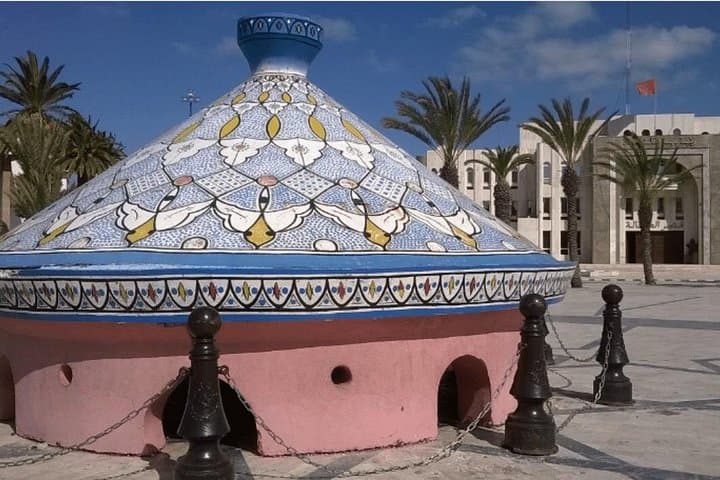
Culture in Safi is coastal and culinary. The fish market is a working theater: platters of sardines, dorada and octopus traded by weight, then grilled a block away. If you time it, a late-morning visit to the National Ceramics Museum or a small artisan studio shows the link between local clays and the town’s bold blue glazing.
Practical guidance: this is a full 10-hour day—expect about four hours on-site and round-trip transfers. Wear sturdy walking shoes for cobbled streets and harbor piers, sun protection for exposed waterfront, and bring cash for market purchases. Allow extra time for traffic on the return to Marrakech and plan your seafood lunch early to avoid crowds. The pace is relaxed but sensory—salt on the breeze, kiln smoke, and the steady pull of the sea.
Expect roughly 2–2.5 hours each way by air-conditioned vehicle depending on traffic, with a total tour duration around 10 hours.
No; the tour involves moderate walking in the medina and along the harbor but is suitable for most fitness levels.
Seafood lunch at a local harbor restaurant is typically included or arranged on-site—confirm at booking and note any dietary needs.
Guides commonly speak English, French and often Spanish; you’ll also hear Arabic and local Darija in markets.
Morocco lifetime Tours operates guided outdoor trips and adventures with an emphasis on safety, stewardship, and memorable experiences.
The road south from Marrakech loosens the city’s heat and, after an hour of scrub and low hills, the Atlantic horizon appears—grey and wide, then cut by the squat towers of Safi’s old port. Arrive mid-morning and the harbor hums: fishing boats bob, gulls wheel, and the medina’s blue-and-white facades throw sharp light across the alleys.
The road south from Marrakech loosens the city’s heat and, after an hour of scrub and low hills, the Atlantic horizon appears—grey and wide, then cut by the squat towers of Safi’s old port. Arrive mid-morning and the harbor hums: fishing boats bob, gulls wheel, and the medina’s blue-and-white facades throw sharp light across the alleys.
Safi’s identity is practical and weathered. The town grew as a Portuguese stronghold in the 16th century; its ramparts still guard the high town. Geologically, the coastline is compacted sandstone and clay—raw materials that, for generations, fed Safi’s famous ceramic workshops. Walking the souks, you’ll see potters at kilns shaping a local craft economy as tactile as the clay beneath your fingers.
Culture in Safi is coastal and culinary. The fish market is a working theater: platters of sardines, dorada and octopus traded by weight, then grilled a block away. If you time it, a late-morning visit to the National Ceramics Museum or a small artisan studio shows the link between local clays and the town’s bold blue glazing.
Practical guidance: this is a full 10-hour day—expect about four hours on-site and round-trip transfers. Wear sturdy walking shoes for cobbled streets and harbor piers, sun protection for exposed waterfront, and bring cash for market purchases. Allow extra time for traffic on the return to Marrakech and plan your seafood lunch early to avoid crowds. The pace is relaxed but sensory—salt on the breeze, kiln smoke, and the steady pull of the sea.