THE ADVENTURE COLLECTIVE® · Independent discovery and booking for outdoor travel

Escape Marrakech for an 8–10 hour private day trip to Safi, a working Atlantic port where Portuguese fortifications, seafood grills, and famed pottery workshops meet broad, swimmable beaches. Expect cobbled medina lanes, a 16th-century citadel, and ample time by the sea.
Escape Marrakech for an 8–10 hour private day trip to Safi, a working Atlantic port where Portuguese fortifications, seafood grills, and famed pottery workshops meet broad, swimmable beaches. Expect cobbled medina lanes, a 16th-century citadel, and ample time by the sea.
The road leaves Marrakech behind and the air slowly takes on salt and Atlantic chill; olive trees and scrub give way to low coastal hills until the city of Safi appears on the horizon, white-washed and sea-brushed.
Verified experiences and guided adventures in the surrounding area.
Operated by Smart Morocco Tours Excursions · Safi, Marrakesh-Safi
The road leaves Marrakech behind and the air slowly takes on salt and Atlantic chill; olive trees and scrub give way to low coastal hills until the city of Safi appears on the horizon, white-washed and sea-brushed.
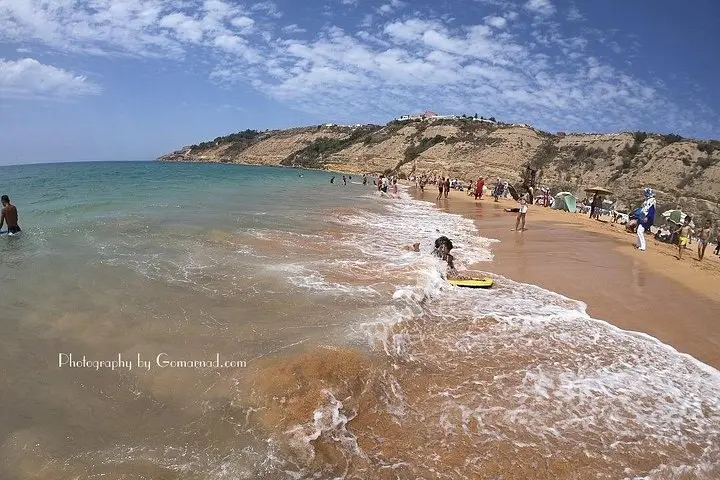
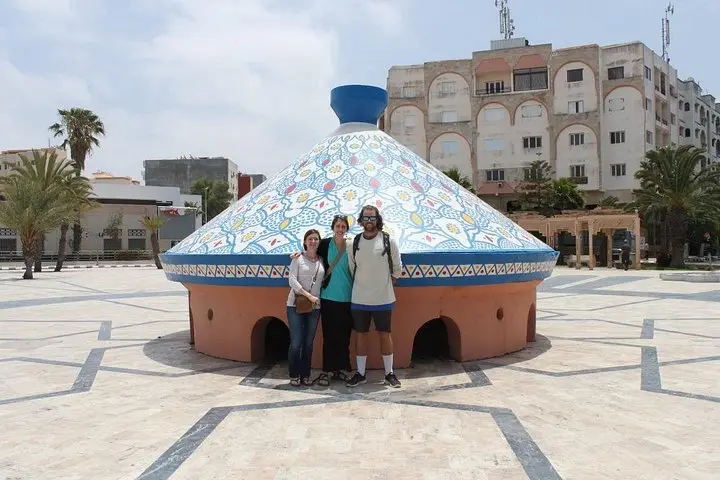
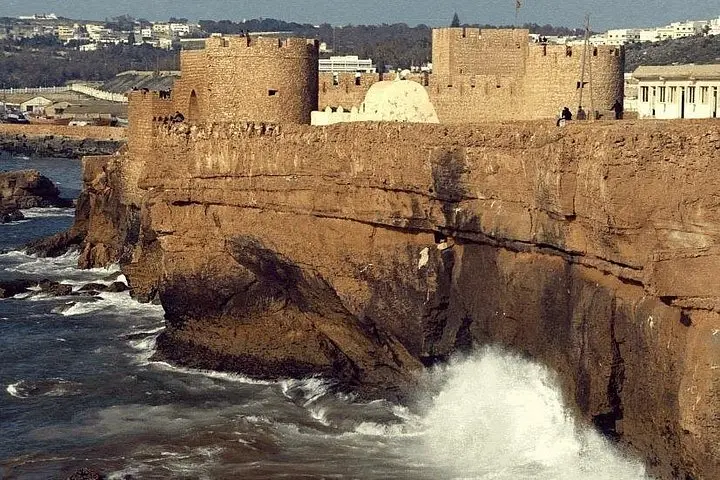
Safi (Asfi) grew around a natural harbor and a 16th-century Portuguese footprint that remains visible in the Kechla citadel, originally a cathedral built in 1519. Geologically the town sits on a rugged basalt and sandstone coastline where waves have carved low cliffs and broad sandy bays—ideal places for a swim or a walk along firm, mineral-rich sand. Culturally, Safi is as well known for its ceramics as for fishing: the medina streets funnel you past workshops where potters form heavy clay on noisy wheels and stalls sell cobalt-glazed plates and jars.
Your private day trip typically runs 8–10 hours, with roughly 2.5–3 hours of driving each way, combined stops at Bab Chaaba, the Kechla citadel, and free time to explore the beach or medina. Expect narrow, cobbled alleys in the old town, a working port with fishing boats and gulls, and seafood grills near the waterfront.
Practical tips: wear sturdy shoes for cobbles, carry cash for market purchases, and bring sun protection and a swimsuit if you plan to dip in the Atlantic. If you want a calmer experience, ask to visit pottery workshops early—artisans often work best in the morning light. Lastly, allow time for relaxed travel: the route offers small roadside views and a chance to watch Atlantic light shift over the sand as you return to Marrakech.
Typical driving time is about 2.5–3 hours each way depending on traffic and stops along the route.
Yes—this private tour lists stroller access and infant seats available; basic walking in the medina is short and manageable.
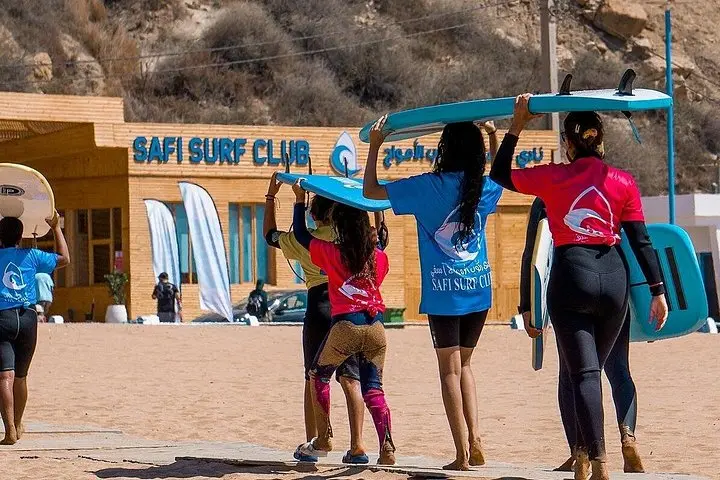
Yes—itineraries allow free time at the coast; bring swimwear and be mindful of local conditions and currents.
Standard descriptions list admission as not applicable; confirm with the operator if you want guided entry to particular monuments.
Smart Morocco Tours Excursions operates guided outdoor trips and adventures with an emphasis on safety, stewardship, and memorable experiences.
The road leaves Marrakech behind and the air slowly takes on salt and Atlantic chill; olive trees and scrub give way to low coastal hills until the city of Safi appears on the horizon, white-washed and sea-brushed.
The road leaves Marrakech behind and the air slowly takes on salt and Atlantic chill; olive trees and scrub give way to low coastal hills until the city of Safi appears on the horizon, white-washed and sea-brushed.
Safi (Asfi) grew around a natural harbor and a 16th-century Portuguese footprint that remains visible in the Kechla citadel, originally a cathedral built in 1519. Geologically the town sits on a rugged basalt and sandstone coastline where waves have carved low cliffs and broad sandy bays—ideal places for a swim or a walk along firm, mineral-rich sand. Culturally, Safi is as well known for its ceramics as for fishing: the medina streets funnel you past workshops where potters form heavy clay on noisy wheels and stalls sell cobalt-glazed plates and jars.
Your private day trip typically runs 8–10 hours, with roughly 2.5–3 hours of driving each way, combined stops at Bab Chaaba, the Kechla citadel, and free time to explore the beach or medina. Expect narrow, cobbled alleys in the old town, a working port with fishing boats and gulls, and seafood grills near the waterfront.
Practical tips: wear sturdy shoes for cobbles, carry cash for market purchases, and bring sun protection and a swimsuit if you plan to dip in the Atlantic. If you want a calmer experience, ask to visit pottery workshops early—artisans often work best in the morning light. Lastly, allow time for relaxed travel: the route offers small roadside views and a chance to watch Atlantic light shift over the sand as you return to Marrakech.