THE ADVENTURE COLLECTIVE® · Independent discovery and booking for outdoor travel

Explore active gemstone tunnels at Wanda and walk the stone plazas of the Jesuit ruins at San Ignacio in a single full-day tour. Expect geology, living history, and a long but highly rewarding day across the border in Misiones.
Explore active gemstone tunnels at Wanda and walk the stone plazas of the Jesuit ruins at San Ignacio in a single full-day tour. Expect geology, living history, and a long but highly rewarding day across the border in Misiones.
A morning light catches the purple flash of amethyst before the van pushes inland toward the skeleton of stone that is San Ignacio. You begin the day underground—winding through the narrow, cool tunnels of Wanda’s active mines where geodes and quartz veins reveal pockets of color and texture carved by volcanic processes.
Verified experiences and guided adventures in the surrounding area.
Operated by Ruinas jesuiticas de San Ignácio + Minas de pedras preciosas Wanda · San Ignacio, Misiones
A morning light catches the purple flash of amethyst before the van pushes inland toward the skeleton of stone that is San Ignacio. You begin the day underground—winding through the narrow, cool tunnels of Wanda’s active mines where geodes and quartz veins reveal pockets of color and texture carved by volcanic processes.
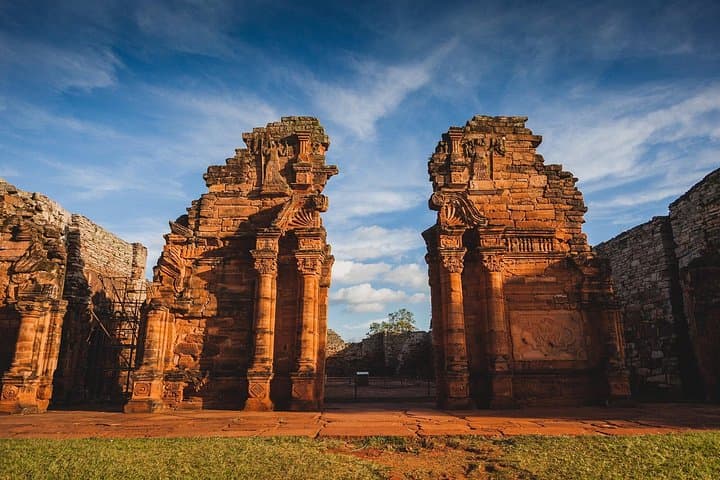
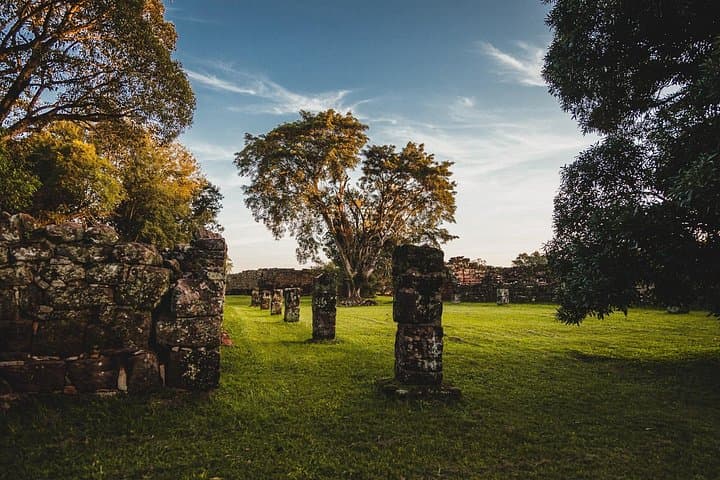
By afternoon the scene changes: open sky and the ordered ruins of a Jesuit reduction. The stone façades and pillared courtyards of San Ignacio, a UNESCO site, hold the story of 17th–18th century Jesuit missions and the Guarani communities who lived here. The layout still reads like a small town: church, workshops, plazas—evidence of deliberate urban planning used to integrate indigenous life, craft, and faith.
Geology meets culture on this route. Wanda’s gemstones—amethyst, agate, quartz—formed in hydrothermal cavities and were later exposed by mining; San Ignacio’s sandstone and masonry show colonial-era techniques adapted to a subtropical rainforest edge. Birds and forest edges press up against carved stone; wind and river sounds become part of the visit.
Practical edge: it’s a long day with border controls and drives, so carry passport, local cash for entry or souvenirs, and a compact daypack. Wear closed-toe shoes for tunnels and uneven archaeological grounds, bring insect repellent and sun protection, and plan for a full 13–14 hour outing that combines hands-on geology with living history.
Yes—this tour crosses the Brazil–Argentina border; bring a valid passport and check visa requirements for your nationality.
No—admissions are not included, so budget local cash for ticket purchases at the mine and ruins if required.
According to operator information, many areas are wheelchair accessible, but tunnels and some ruin sections have uneven surfaces—contact the operator ahead for specifics.
Expect short to moderate walking at each site (guided mine tours and ruins circuits) with periods of standing; the day also includes long transfers by van.
Ruinas jesuiticas de San Ignácio + Minas de pedras preciosas Wanda operates guided outdoor trips and adventures with an emphasis on safety, stewardship, and memorable experiences.

A morning light catches the purple flash of amethyst before the van pushes inland toward the skeleton of stone that is San Ignacio. You begin the day underground—winding through the narrow, cool tunnels of Wanda’s active mines where geodes and quartz veins reveal pockets of color and texture carved by volcanic processes.
A morning light catches the purple flash of amethyst before the van pushes inland toward the skeleton of stone that is San Ignacio. You begin the day underground—winding through the narrow, cool tunnels of Wanda’s active mines where geodes and quartz veins reveal pockets of color and texture carved by volcanic processes.
By afternoon the scene changes: open sky and the ordered ruins of a Jesuit reduction. The stone façades and pillared courtyards of San Ignacio, a UNESCO site, hold the story of 17th–18th century Jesuit missions and the Guarani communities who lived here. The layout still reads like a small town: church, workshops, plazas—evidence of deliberate urban planning used to integrate indigenous life, craft, and faith.
Geology meets culture on this route. Wanda’s gemstones—amethyst, agate, quartz—formed in hydrothermal cavities and were later exposed by mining; San Ignacio’s sandstone and masonry show colonial-era techniques adapted to a subtropical rainforest edge. Birds and forest edges press up against carved stone; wind and river sounds become part of the visit.
Practical edge: it’s a long day with border controls and drives, so carry passport, local cash for entry or souvenirs, and a compact daypack. Wear closed-toe shoes for tunnels and uneven archaeological grounds, bring insect repellent and sun protection, and plan for a full 13–14 hour outing that combines hands-on geology with living history.