THE ADVENTURE COLLECTIVE® · Independent discovery and booking for outdoor travel

Travel from Seville to Sanlúcar de Barrameda for a focused day of sherry tasting, coastal history and an optional horse ride along the beach. Expect winery cellars, seafood markets, estuary views and the chance to see migratory birds near Doñana.
Travel from Seville to Sanlúcar de Barrameda for a focused day of sherry tasting, coastal history and an optional horse ride along the beach. Expect winery cellars, seafood markets, estuary views and the chance to see migratory birds near Doñana.
You roll out of Seville’s morning heat and the road leans toward the coast; by the time the bus eases into Sanlúcar de Barrameda the air has a salt edge and the Guadalquivir seems to tug the tide toward the Atlantic.
Verified experiences and guided adventures in the surrounding area.
Operated by Not Just a Tourist · Sanlúcar de Barrameda, Andalusia
You roll out of Seville’s morning heat and the road leans toward the coast; by the time the bus eases into Sanlúcar de Barrameda the air has a salt edge and the Guadalquivir seems to tug the tide toward the Atlantic.
Streets here still speak of trade—whitewashed façades, the Castillo de Santiago guarding the river mouth, and bodegas whose cellars hold centuries of sherry craft. Geologically, Sanlúcar sits at the sediment-rich mouth of the Guadalquivir; the estuary and nearby Doñana marshes create the flat, sandy soils that shape local vineyards and make this a seasonal refuge for migratory birds.
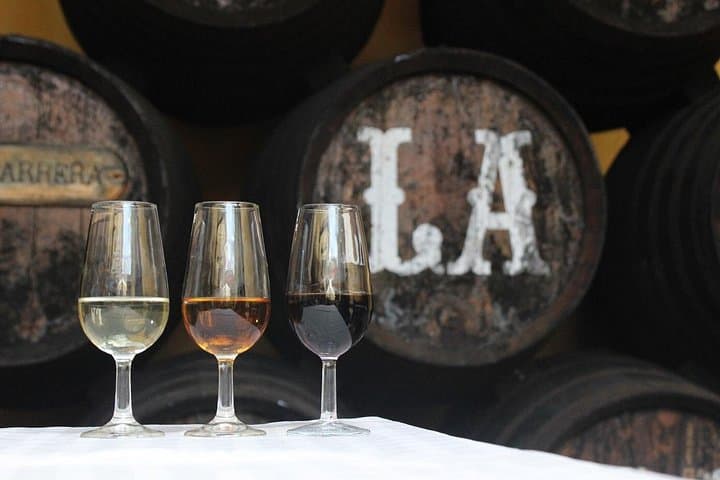
Culturally the town balances fisherman’s markets and aristocratic history: sample fino or manzanilla at a small bodega, then wander to the Fabrica de Hielo to learn how ice-storage shaped the fishing trade. The promenade rewards with seafood terraces and views across the estuary to Doñana’s dunes—where flamingos and marsh waders patrol the shallows.
Practically, expect a 9‑hour day with hotel pickup in Seville, one or two winery visits, a market stop and time on the waterfront. The optional horse ride (payable locally) runs on beach or vineyard tracks and is scheduled so it won’t overlap the tastings. Paths are cobbled in town and sandy on the shore; bring layered sun protection, a reusable bottle and shoes that cope with cobbles and sand. If you want good light for photos aim for the afternoon along the promenade; for birdwatching request a driver stop near the estuary wetlands. Small groups keep visits focused—book in advance for weekend travel.
No; horse riding is an optional supplement (approx. €50) and depends on availability and local conditions—book it when you reserve the tour to increase chances.
Wineries typically offer tours in English and Spanish; a supplement may apply for other languages and some visits are bilingual.
Yes; the itinerary includes guided stops and a free period for wandering the market, waterfront and Castillo de Santiago—plan for short walks and café breaks.
The tour lists wheelchair accessibility for transport, but some winery cellars and cobbled streets may be uneven; contact the operator to confirm specific accessibility needs.
Not Just a Tourist operates guided outdoor trips and adventures with an emphasis on safety, stewardship, and memorable experiences.


You roll out of Seville’s morning heat and the road leans toward the coast; by the time the bus eases into Sanlúcar de Barrameda the air has a salt edge and the Guadalquivir seems to tug the tide toward the Atlantic.
You roll out of Seville’s morning heat and the road leans toward the coast; by the time the bus eases into Sanlúcar de Barrameda the air has a salt edge and the Guadalquivir seems to tug the tide toward the Atlantic.
Streets here still speak of trade—whitewashed façades, the Castillo de Santiago guarding the river mouth, and bodegas whose cellars hold centuries of sherry craft. Geologically, Sanlúcar sits at the sediment-rich mouth of the Guadalquivir; the estuary and nearby Doñana marshes create the flat, sandy soils that shape local vineyards and make this a seasonal refuge for migratory birds.
Culturally the town balances fisherman’s markets and aristocratic history: sample fino or manzanilla at a small bodega, then wander to the Fabrica de Hielo to learn how ice-storage shaped the fishing trade. The promenade rewards with seafood terraces and views across the estuary to Doñana’s dunes—where flamingos and marsh waders patrol the shallows.
Practically, expect a 9‑hour day with hotel pickup in Seville, one or two winery visits, a market stop and time on the waterfront. The optional horse ride (payable locally) runs on beach or vineyard tracks and is scheduled so it won’t overlap the tastings. Paths are cobbled in town and sandy on the shore; bring layered sun protection, a reusable bottle and shoes that cope with cobbles and sand. If you want good light for photos aim for the afternoon along the promenade; for birdwatching request a driver stop near the estuary wetlands. Small groups keep visits focused—book in advance for weekend travel.