THE ADVENTURE COLLECTIVE® · Independent discovery and booking for outdoor travel

A full-day, budget-friendly circuit from Colombo that pairs the vertiginous climb of Sigiriya Rock and the painted caves of Dambulla with a private jeep safari in Hurulu Eco Park—ideal for travelers who want culture, geology, and wildlife in one long, practical day.
A full-day, budget-friendly circuit from Colombo that pairs the vertiginous climb of Sigiriya Rock and the painted caves of Dambulla with a private jeep safari in Hurulu Eco Park—ideal for travelers who want culture, geology, and wildlife in one long, practical day.
The morning air off the highway is thick with humidity as the van turns inland and the city’s skyline slips behind you. Rice paddies and scrubby jungle scroll past, then a jagged, vertical slab of rock appears on the horizon — Sigiriya’s Lion Rock rising like an ancient watchtower from the plain. By midmorning the stone has warmed and tourists have begun the steady climb: metal stairs, narrow ledges, the painted frescoes half-hidden in shadow.
Verified experiences and guided adventures in the surrounding area.
Operated by Ceylon Traveline · Sigiriya, Central Province
The morning air off the highway is thick with humidity as the van turns inland and the city’s skyline slips behind you. Rice paddies and scrubby jungle scroll past, then a jagged, vertical slab of rock appears on the horizon — Sigiriya’s Lion Rock rising like an ancient watchtower from the plain. By midmorning the stone has warmed and tourists have begun the steady climb: metal stairs, narrow ledges, the painted frescoes half-hidden in shadow.
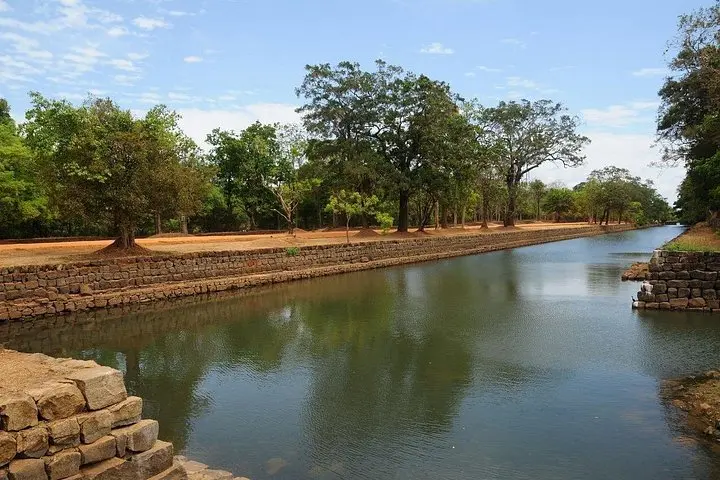
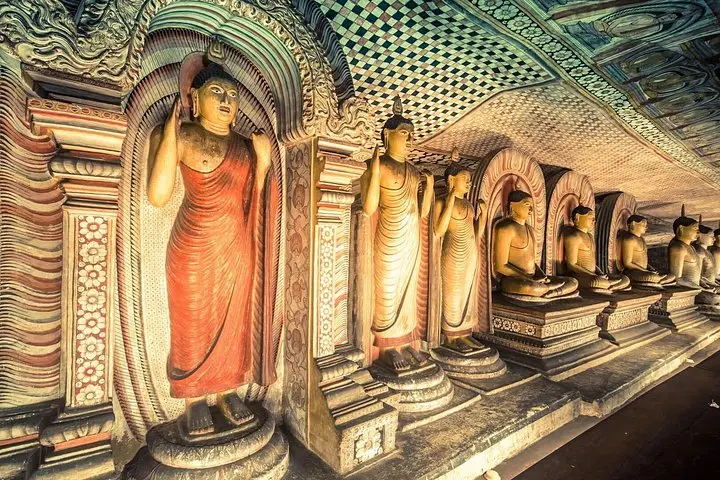
Sigiriya and Dambulla sit at the heart of Sri Lanka’s Cultural Triangle, where shallow hills of Precambrian gneiss and granite were quarried and shaped into kingdoms. Sigiriya is a 5th-century fortified palace complex built atop a 200‑meter volcanic plug; its water gardens and mirror walls reveal a sophisticated hydraulic and artistic program that once marked a royal capital. Dambulla, a little farther south, preserves Buddhist cave temples whose murals and seated Buddhas span centuries of devotion and regional craft.
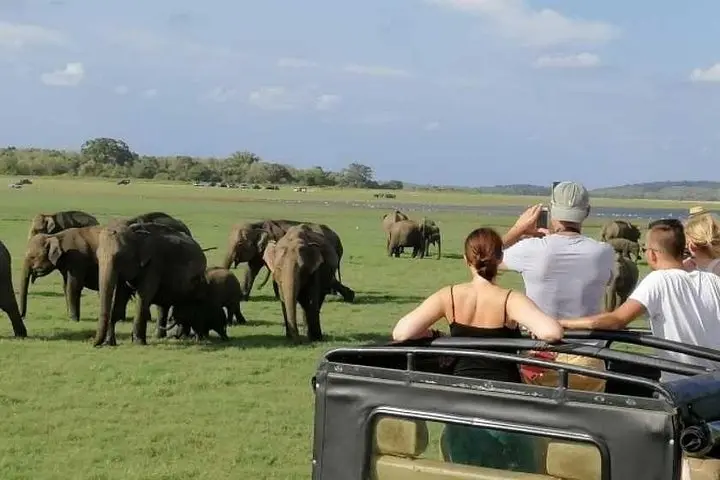
The route between the sites compresses eras — colonial roads, village life, artisan workshops — and finishes in Hurulu Eco Park, where open jeep tracks push you into tall grass and dry forest. The park is one of the better places to see wild Asian elephants at close range; they move through the plain with purposeful ease, birds punctuating the canopy above.
Practical rhythms matter on this long day. The tour departs Colombo early — expect a 3‑ to 4‑hour drive each way depending on traffic — and returns after ten to fifteen hours in the field. Sigiriya’s climb is steep but well-engineered; allow 45–90 minutes round-trip on the staircases and platforms, and bring modest clothing for Dambulla’s sacred caves where shoulders and knees must be covered. Hurulu safaris run in a private 4x4 and typically last about three to four hours; wildlife sightings depend on season and luck, but your guide will seek the best angles and tracks.
This budget-friendly itinerary includes hotel pickup, bottled water, an English-speaking guide at Sigiriya, a wood-carving demonstration, and the Dambulla entrance ticket; Sigiriya admission may require a separate fee. For photographers, early light softens the rock’s faces and late afternoon casts elephants in warm side light — pack a telephoto and sun protection. The day is long, so hydrate, wear sturdy shoes with good grip, and keep a light rain shell handy during monsoon months. Follow local guidance at sacred sites, and leave no trace on trails or in the park: these landscapes are living systems and working villages, not museum pieces.
The operator lists 10–15 hours total, including round-trip driving from Colombo and time at each site; plan for a full day.
The listing includes Dambulla’s ticket specifically; Sigiriya admission may not be included and can require an on-site fee.
Hurulu Eco Park has a strong elephant population and the safari maximizes sightings, but wildlife is never guaranteed.
The tour is marked suitable for all fitness levels, but the Sigiriya climb involves narrow stairs and some exposed sections—assess mobility and comfort with heights.
Lunch is included by some operators; the itinerary lists bottled water and a midday meal—confirm dietary needs when booking.
Dress conservatively: cover shoulders and knees, remove shoes before entering, and carry a light shawl if visiting during the heat.
Ceylon Traveline operates guided outdoor trips and adventures with an emphasis on safety, stewardship, and memorable experiences.
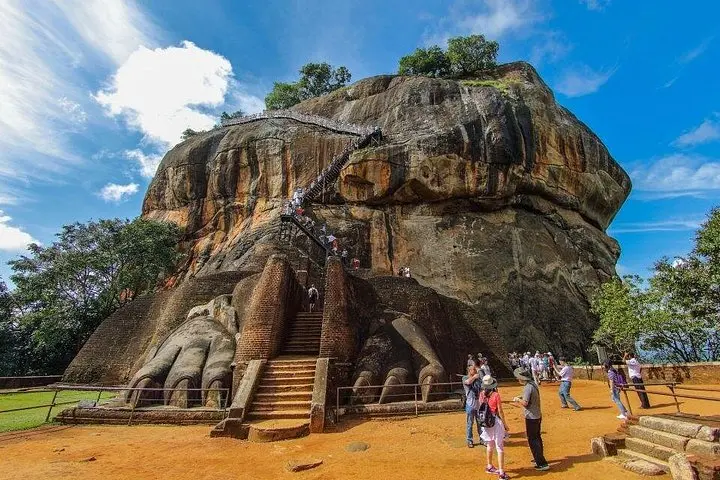
The morning air off the highway is thick with humidity as the van turns inland and the city’s skyline slips behind you. Rice paddies and scrubby jungle scroll past, then a jagged, vertical slab of rock appears on the horizon — Sigiriya’s Lion Rock rising like an ancient watchtower from the plain. By midmorning the stone has warmed and tourists have begun the steady climb: metal stairs, narrow ledges, the painted frescoes half-hidden in shadow.
The morning air off the highway is thick with humidity as the van turns inland and the city’s skyline slips behind you. Rice paddies and scrubby jungle scroll past, then a jagged, vertical slab of rock appears on the horizon — Sigiriya’s Lion Rock rising like an ancient watchtower from the plain. By midmorning the stone has warmed and tourists have begun the steady climb: metal stairs, narrow ledges, the painted frescoes half-hidden in shadow.
Sigiriya and Dambulla sit at the heart of Sri Lanka’s Cultural Triangle, where shallow hills of Precambrian gneiss and granite were quarried and shaped into kingdoms. Sigiriya is a 5th-century fortified palace complex built atop a 200‑meter volcanic plug; its water gardens and mirror walls reveal a sophisticated hydraulic and artistic program that once marked a royal capital. Dambulla, a little farther south, preserves Buddhist cave temples whose murals and seated Buddhas span centuries of devotion and regional craft.
The route between the sites compresses eras — colonial roads, village life, artisan workshops — and finishes in Hurulu Eco Park, where open jeep tracks push you into tall grass and dry forest. The park is one of the better places to see wild Asian elephants at close range; they move through the plain with purposeful ease, birds punctuating the canopy above.
Practical rhythms matter on this long day. The tour departs Colombo early — expect a 3‑ to 4‑hour drive each way depending on traffic — and returns after ten to fifteen hours in the field. Sigiriya’s climb is steep but well-engineered; allow 45–90 minutes round-trip on the staircases and platforms, and bring modest clothing for Dambulla’s sacred caves where shoulders and knees must be covered. Hurulu safaris run in a private 4x4 and typically last about three to four hours; wildlife sightings depend on season and luck, but your guide will seek the best angles and tracks.
This budget-friendly itinerary includes hotel pickup, bottled water, an English-speaking guide at Sigiriya, a wood-carving demonstration, and the Dambulla entrance ticket; Sigiriya admission may require a separate fee. For photographers, early light softens the rock’s faces and late afternoon casts elephants in warm side light — pack a telephoto and sun protection. The day is long, so hydrate, wear sturdy shoes with good grip, and keep a light rain shell handy during monsoon months. Follow local guidance at sacred sites, and leave no trace on trails or in the park: these landscapes are living systems and working villages, not museum pieces.